
The NCP blog
Epoxy Flooring for Residential Kitchens in South Florida
Residential8 min read
Advanced systems now frequently utilize polyaspartic topcoats to provide enhanced UV stability and faster curing times.
In 2026, installing a resinous surface system in a residential food preparation area averages between $5 and $12 per square foot. If you are considering upgrading your home cooking space, you may be wondering if this industrial-grade material is the right choice for your specific environment. We have the right article for you, covering the benefits, costs, installation processes, and maintenance requirements of these resilient surfaces.
Understanding Resinous Coatings in Culinary Spaces
Resinous flooring consists of a two-part thermosetting polymer. It involves a chemical reaction between a liquid resin and a hardener. Once mixed, these components cross-link and cure into a rigid plastic-like material. This creates a surface that is vastly superior to standard floor paints. This material provides exceptional compressive strength, typically withstanding heavy foot traffic and dropped kitchen appliances without sustaining damage.
Many homeowners confuse simple floor paints with a true multi-part polymer system. Paint sits on top of the concrete and is prone to flaking or chipping. A true thermosetting polymer penetrates the pores of the properly prepared concrete. This forms a permanent mechanical bond that can last for decades. Advanced systems now frequently utilize polyaspartic topcoats to provide enhanced UV stability and faster curing times.
According to the National Association of Home Builders, the market demand for residential seamless flooring increased by 18 percent in 2026. Homeowners are increasingly recognizing the functional benefits of industrial materials applied to domestic environments. These floors handle the rigors of a busy household while offering high-end, customizable aesthetics.
Design Options and Aesthetics
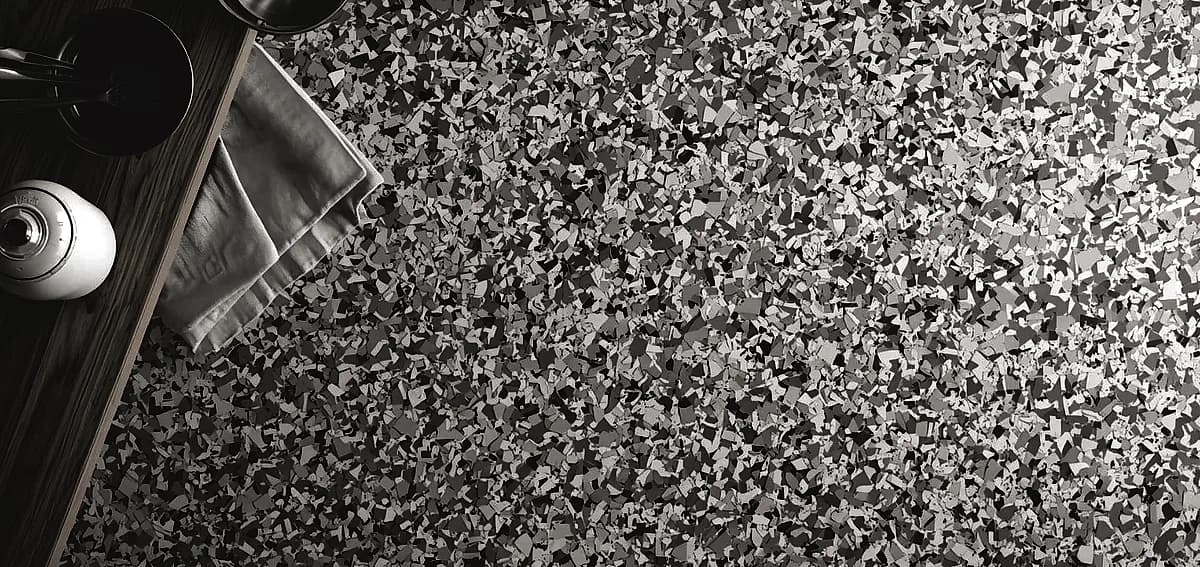
Modern polymer systems are not limited to the sterile, solid colors seen in commercial warehouses. The versatility of these liquid-applied systems allows for numerous aesthetic choices. Solid color coatings provide a sleek, minimalist look that complements modern cabinetry and stainless steel appliances. For a more textured appearance, vinyl flake systems are highly popular. These systems involve casting colored chips into the wet base coat, creating a multi-dimensional look that hides dust and imperfections.
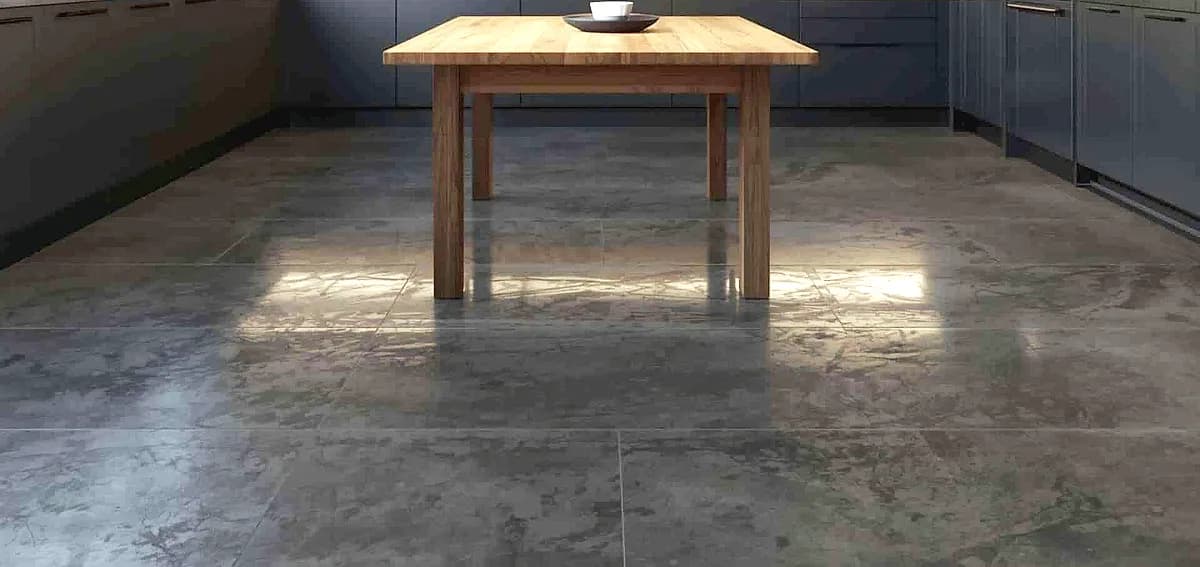
Metallic overlays represent the highest tier of aesthetic customization. Installers mix metallic pigments into a clear resin, manipulating the material to mimic the look of natural marble, flowing water, or molten copper. Each metallic floor is entirely unique, heavily dependent on the artist’s application technique. This transforms a standard culinary space into a highly personalized architectural focal point.
It is essential to select a finish that matches your lifestyle. Flake systems offer slight texture, increasing slip resistance naturally. High-gloss metallic floors, while visually stunning, may show smudges more easily and generally require an anti-slip additive in the topcoat to ensure safety in spill-prone areas.
Factors That Affect Installation Costs in 2026
While the baseline cost generally ranges from $5 to $12 per square foot, several variables influence the final investment. Accurately assessing these factors is critical for realistic budgeting.
- Concrete Condition: Surfaces suffering from severe spalling (flaking or chipping) or extensive cracking require significant repair before coating. Installers must fill cracks with specialized polyurea joint fillers.
- Moisture Vapor Transmission: Concrete acts like a hard sponge. If your slab has high moisture vapor transmission levels, a moisture-mitigating primer is mandatory. Failing to apply a vapor barrier will cause the topcoat to blister and peel.
- Layout Complexity: Kitchen islands, tight corners, and multiple doorways increase the labor time required to cut in edges seamlessly.
- System Complexity: A standard solid color application is less labor-intensive than a multi-layer metallic system or a full-broadcast flake floor. Polyaspartic topcoats also carry a premium over standard urethanes.
Comparing Flooring Materials
To fully appreciate the value of a thermosetting polymer system, it is helpful to compare it against traditional materials commonly found in residential spaces.
| Material | Durability | Average Cost (Per Sq. Ft.) | Maintenance Level |
|---|---|---|---|
| Resinous Polymer | Very High | $5 – $12 | Low |
| Hardwood | Medium (Prone to moisture damage) | $8 – $15 | Medium to High |
| Ceramic Tile | High | $7 – $14 | Medium (Grout cleaning required) |
| Laminate | Low | $3 – $8 | Low |
Steps to Prepare and Install Your New Floor
Proper installation requires rigorous adherence to technical protocols. As David Thompson, a Senior Materials Engineer at the American Concrete Institute, explains:
“More than 80 percent of premature coating failures are directly attributable to inadequate substrate preparation. The concrete must be profiled to ensure adequate mechanical adhesion.”
The installation process generally follows these vital steps:
- Moisture Testing and Substrate Profiling: Installers begin by testing the slab for moisture emissions. They then use walk-behind diamond grinders to remove old sealers and open the concrete pores. This creates a rough profile resembling medium-grit sandpaper.
- Crack Repair and Joint Treatment: All structural cracks are chased out with a v-blade grinder and filled with a rigid polymer patching compound. The surface is then ground smooth to ensure a flush finish.
- Primer Application: A penetrating primer is rolled onto the floor. This layer bonds deeply with the porous concrete, sealing out air bubbles and establishing a foundation for subsequent layers.
- Base Coat and Broadcast: The primary pigmented coat is applied. For flake systems, colored vinyl chips are broadcast onto the wet resin until the floor is completely covered (a process called “to refusal”).
- Polyaspartic Topcoat Application: After the base coat cures, any excess flakes are scraped away. Finally, a clear polyaspartic topcoat is applied. This layer provides chemical resistance, UV stability, and the final gloss or satin finish.
The Benefits of Upgrading Your Kitchen Surface
The decision to upgrade your home environment with a polymer-modified overlay yields numerous advantages. Foremost is the exceptional level of sanitation. Traditional tile relies on porous grout lines, which absorb spilled liquids, trap organic matter, and harbor bacteria. A seamless surface completely eliminates these joints. You can easily wipe away spills from oils, red wine, or acidic juices without leaving permanent stains.
Durability is another significant benefit. A properly installed polyaspartic topcoat can withstand impact pressures exceeding 800 pounds per square inch. Dropped cast-iron skillets or heavy canned goods are unlikely to crack or dent the surface. Furthermore, these systems typically last 15 to 20 years before requiring a simple recoat, offering an excellent return on investment.
Environmental safety has also improved dramatically. According to the Environmental Protection Agency, advancements in material science have led to low-VOC (Volatile Organic Compound) options. High-quality 100 percent solids formulations emit virtually no harmful odors during the curing process, ensuring your home’s air quality remains safe.
Routine Maintenance Guidelines
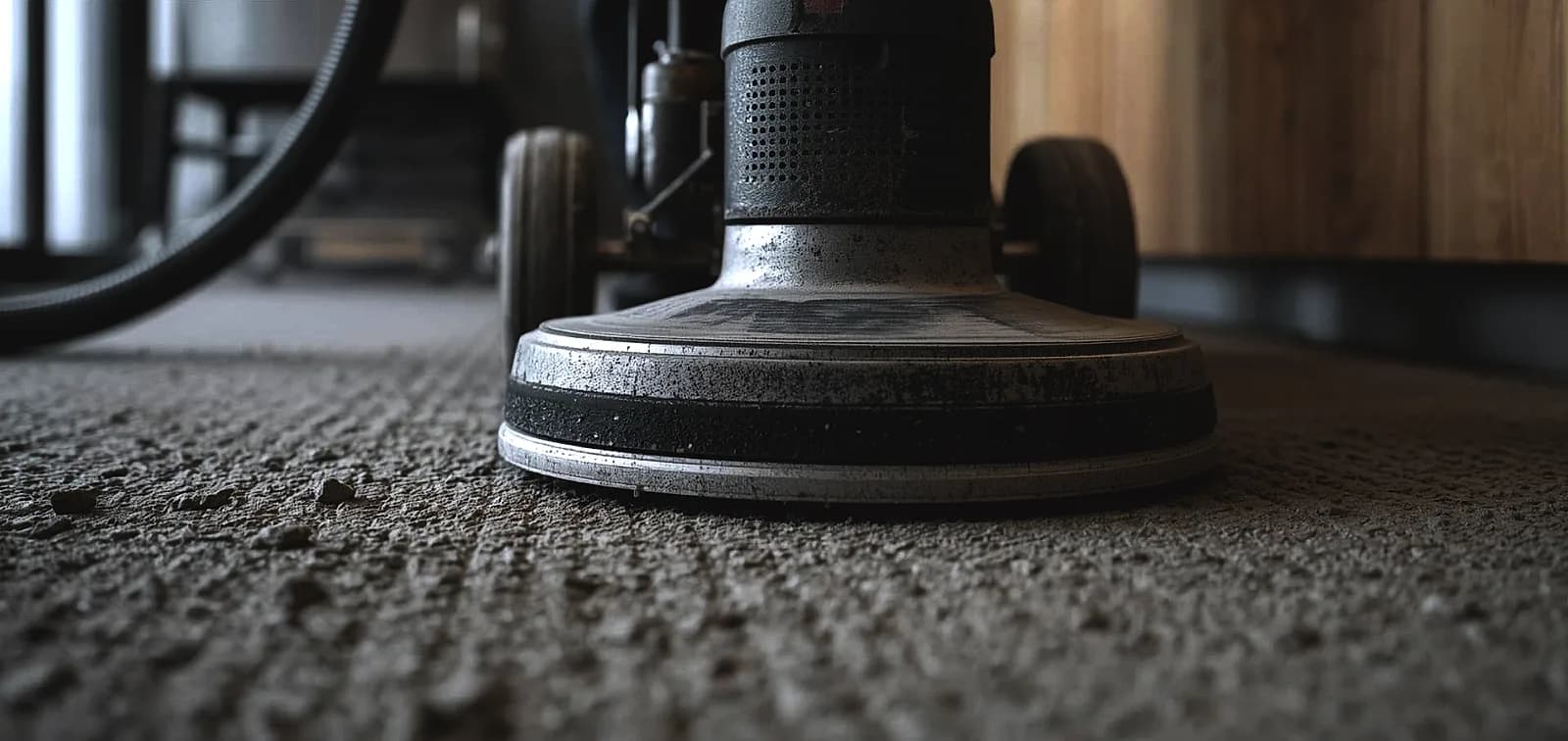
Maintaining these surfaces is incredibly straightforward, which appeals to busy households. Routine cleaning requires only a dust mop to remove loose debris. For wet cleaning, it is advisable to use a microfiber mop and a pH-neutral cleaner mixed with warm water.
It is essential to avoid harsh chemicals. Never use bleach, ammonia, or acid-based cleaners, as these can dull the polyaspartic topcoat over time. Additionally, avoid abrasive scrubbing pads. While the floor is highly durable, aggressive abrasives can create micro-scratches that diminish the gloss finish. Placing protective felt pads under heavy dining chairs or barstools will further preserve the surface integrity.
Frequently Asked Questions
Are these floors slippery when wet?
High-gloss finishes can become slick when exposed to spills or water. However, professional installers routinely mix an anti-slip aggregate, such as aluminum oxide or glass spheres, into the final topcoat. According to guidelines from the National Safety Council, adequate traction additives are highly recommended for residential spaces prone to moisture.
Can this material be applied directly over existing tile?
Yes, it is possible to apply these systems over existing ceramic tile, provided the tile is securely bonded to the substrate. The installation team will mechanically abrade the tile surface and fill all grout lines with a self-leveling overlay to create a completely flat, uniform surface prior to coating.
How long does the installation process take?
A standard residential installation typically takes between two and three days. Day one focuses entirely on substrate preparation and priming. Subsequent days involve base coats, flake broadcasting, and the final topcoat application.
How long until I can walk on the new surface?
Cure times vary based on the specific chemistry used. Polyaspartic topcoats cure very quickly, often allowing for light foot traffic within 12 to 24 hours. However, it is advisable to wait at least 72 hours before moving heavy appliances or furniture back into the space.
Does the material scratch easily?
While extremely durable and resistant to impacts, no surface is entirely scratch-proof. Sliding heavy metal appliances without floor protectors can cause superficial surface marring. Regular maintenance and the use of felt pads under furniture legs will mitigate this risk effectively.
Can it handle radiant underfloor heating?
Yes, these systems are highly compatible with radiant underfloor heating. The thermosetting polymer effectively conducts heat without degrading or softening. Ensure that the heating system is turned off during the installation and curing process to prevent the resin from curing too rapidly.
Will sunlight cause the floor to fade or yellow?
Older generation urethane systems were prone to ambering when exposed to UV light. Today, high-quality polyaspartic and aliphatic topcoats are inherently UV stable. They will maintain their color and clarity even in spaces featuring extensive natural lighting from large windows.
Final Thoughts
Installing a seamless, polymer-based surface in your home provides an optimal blend of industrial-grade durability and modern aesthetic appeal. By understanding the installation process, cost factors, and maintenance requirements, you can make an informed decision for your property. Proper substrate profiling and professional application are the keys to ensuring your investment lasts for decades. If you are prepared to upgrade your culinary space, contact us today to discuss your custom project requirements.
References
- National Association of Home Builders. Residential Flooring Trends and Data 2026. https://www.nahb.org
- American Concrete Institute. Guidelines for Substrate Preparation and Coating Adhesion. https://www.concrete.org
- Environmental Protection Agency. Indoor Air Quality and Low-VOC Material Standards. https://www.epa.gov
- National Safety Council. Traction Additives and Slip Resistance in the Home. https://www.nsc.org
Written by

Founder and CEO
Chris Lavin is an esteemed leader in concrete polishing and epoxy coatings with a distinguished 20-year career. As founder and CEO of National Concrete Polishing and owner of Xtreme Polishing Systems, he's renowned for polishing and epoxy coating more floors than anyone globally. Chris is recognized for his innovative approach and commitment to enhancing floor durability and aesthetics. His hands-on experience and technical proficiency make him a respected authority and a valuable resource in the field of floor polishing and coatings.
Same topic
Related articles
All stories
Residential8 min read
What Restaurants Need to Pass a Health Inspection Floor Check
It endures heavy foot traffic, dropped equipment, boiling water spills, and harsh degreasing chemicals daily.
Read it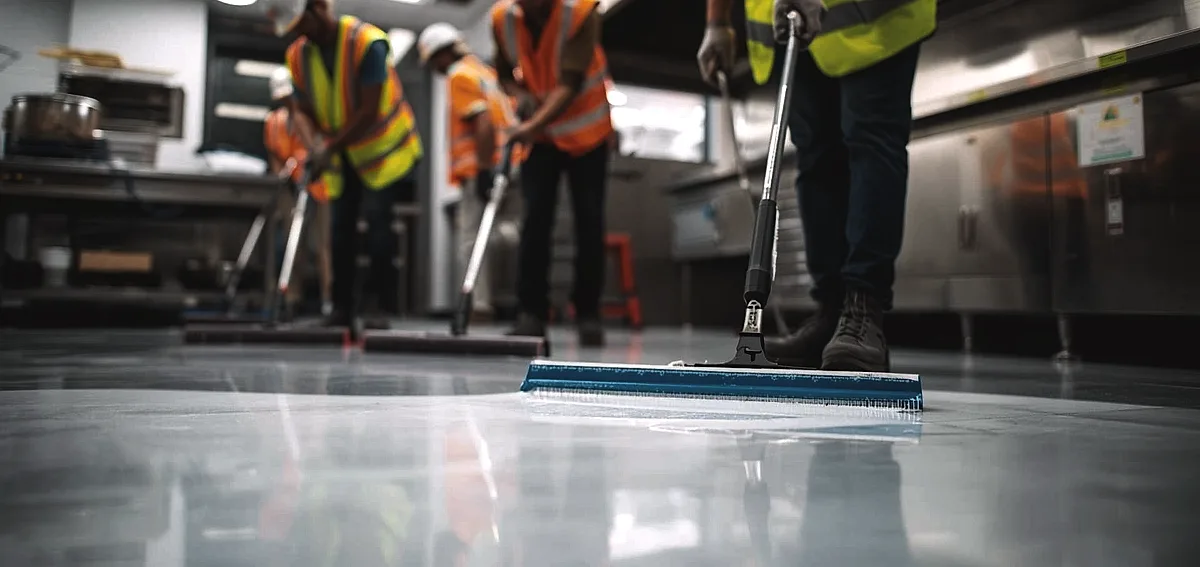
Residential9 min read
How Restaurants Replace Their Floors Without Closing for Long
The average food service establishment loses approximately $3,500 in daily revenue during unexpected closures in 2026.
Read it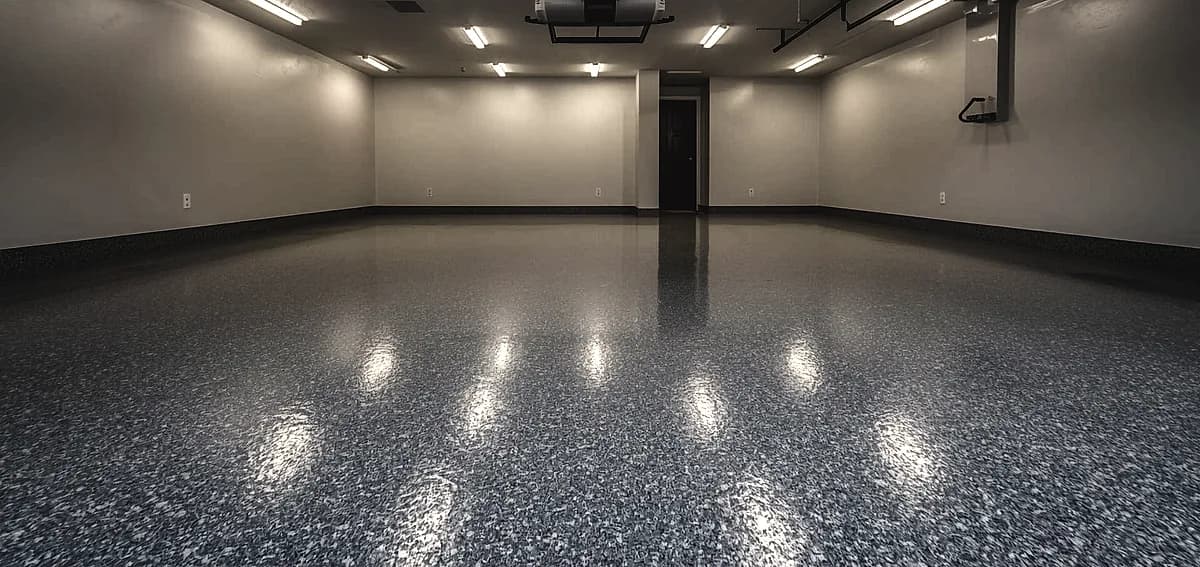
Residential8 min read
Where Polished Concrete Beats Epoxy in a Home (and Where It Doesn’t)
Before evaluating specific rooms, it is essential to understand how these two flooring systems function.
Read it
Tell us about the floor
Tell us the space and roughly how big it is.We come back with what it would cost and when we could start.
Prefer to talk? Call +1 844-876-5474
- Leads@
nationalconcretepolishing.net - 2200 NW 32nd St #600,
Pompano Beach, FL 33069 Mon to Fri, 9:00 to 5:30