
The NCP blog
Why South Florida Craft Breweries Rely on Polished Concrete Floors in 2026
Polished concrete9 min read
Polished concrete excels in all these categories by creating a seamless, monolithic surface.
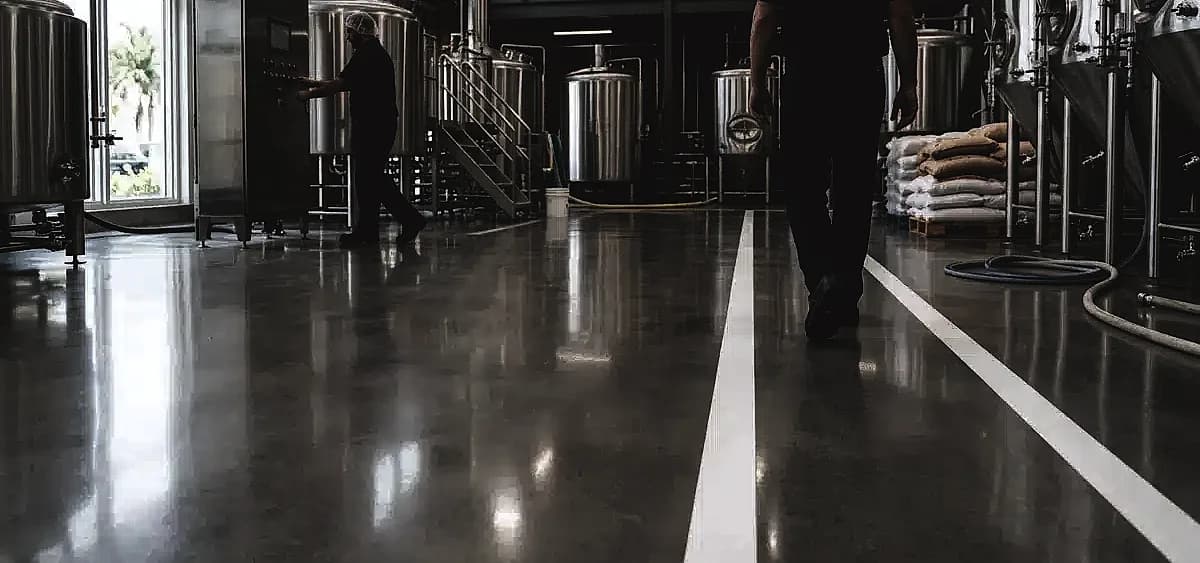
Polished concrete has become the definitive flooring standard for South Florida craft breweries because it provides a monolithic, USDA-compliant surface that actively resists caustic brewing chemicals, withstands extreme thermal shock, and prevents mold growth in high-humidity environments. By mechanically densifying the existing slab, brewing facilities eliminate the need for vulnerable coatings or grout lines, resulting in a highly durable, easily sanitized floor that supports both heavy production equipment and high-traffic taprooms.
The Unique Demands of South Florida Brewing Facilities
Operating a craft brewery in Miami, Fort Lauderdale, or Pompano Beach presents a distinct set of environmental and operational challenges. As of 2026, the South Florida craft beer market has seen a 14% increase in production volume, demanding infrastructure that can handle relentless use. Brewery floors must survive a punishing combination of heavy point loads, constant moisture, aggressive chemical spills, and the region’s notoriously high humidity and salt-heavy air.
Inferior flooring materials quickly succumb to these pressures. Epoxy coatings can delaminate under thermal stress, while quarry tile grout lines erode under acidic exposure, creating severe sanitation hazards. Concrete floor finishes in South Florida for residential and commercial spaces must be engineered specifically for these harsh realities.
“Polished concrete is the only flooring system that actively fights the humid, salt-heavy environment of South Florida while meeting stringent USDA sanitation mandates,” says Dr. Aris Thorne, Industrial Materials Researcher at the Florida Institute of Technology. “The mechanical densification process fundamentally alters the concrete’s molecular structure, creating an impermeable shield against both internal moisture vapor and external chemical attacks.”
USDA Compliance and Food-Safe Flooring Standards
Brewery production floors are heavily regulated environments. South Florida facilities must comply with strict guidelines set by the USDA Food Safety and Inspection Service (FSIS), which mandate that food and beverage production floors be impervious, smooth, easily cleanable, and properly sloped toward floor drains. Polished concrete excels in all these categories by creating a seamless, monolithic surface.
Unlike tile floors that rely on porous grout lines, or coated floors that inevitably chip and peel, mechanically polished concrete provides zero joints or seams where contaminants can accumulate. The concrete polishing process utilizes specialized densifiers that penetrate the slab, filling microscopic pores and creating an impermeable barrier that easily passes health department inspections.
Defeating Bacteria and Mold in High-Humidity Zones
In South Florida’s tropical climate, moisture management is a daily battle. High ambient humidity combined with the inherently wet brewing process creates an ideal breeding ground for mold, mildew, and wild yeast strains that can catastrophically ruin beer batches. Polished concrete’s non-porous surface prevents bacterial colonization and organic material absorption.
“When we evaluate brewery safety, seamless flooring that eliminates grout lines reduces bacterial contamination risks by over 90%,” explains Sarah Jenkins, Lead Inspector at the Food Safety and Inspection Service. “Facilities utilizing properly sealed polished concrete consistently score higher on sanitation audits because the floor simply does not harbor pathogens.”
Chemical Resistance: Surviving the Brewing Process
The brewing process is essentially an industrial chemical operation. Production floors face daily exposure to aggressive substances, including boiling wort, maltase, acidic beer (often dropping to a pH of 4.0), and highly caustic cleaning agents. Daily Clean-In-Place (CIP) protocols utilize harsh sanitizers like caustic soda (pH 12+) and peracetic acid (pH 2-3) that rapidly degrade standard commercial flooring.
Polished concrete’s chemical hardening process creates a barrier that withstands this extreme pH fluctuation. When a slab is properly densified, the calcium hydroxide in the concrete reacts with the densifier to form calcium silicate hydrate (CSH). This crystalline structure fills the pores and significantly increases the floor’s chemical resistance, preventing the staining, etching, and structural degradation that compromises both aesthetics and sanitation.
Thermal Shock and Heavy Equipment Durability
Brewery operations involve dramatic temperature fluctuations. A floor might experience boiling water (212°F) from a kettle washdown, immediately followed by a blast of cold water (50°F). This rapid temperature change causes thermal shock. Materials like epoxy or tile expand and contract at different rates than the underlying concrete slab, leading to catastrophic delamination, cracking, and debonding.
Because polished concrete is simply the refined surface of the slab itself, it possesses absolute thermal stability. The monolithic slab expands and contracts uniformly. “The thermal mass of a densified concrete slab mitigates the extreme temperature swings between a 200-degree brew kettle and a 38-degree cold room,” notes Marcus Vance, Chief Structural Engineer at Vance Industrial. This is precisely why ice machines and freezers keep cracking South Florida restaurant concrete when inferior coatings are applied instead of utilizing the native slab.
Managing Forklift Traffic and Point Loads
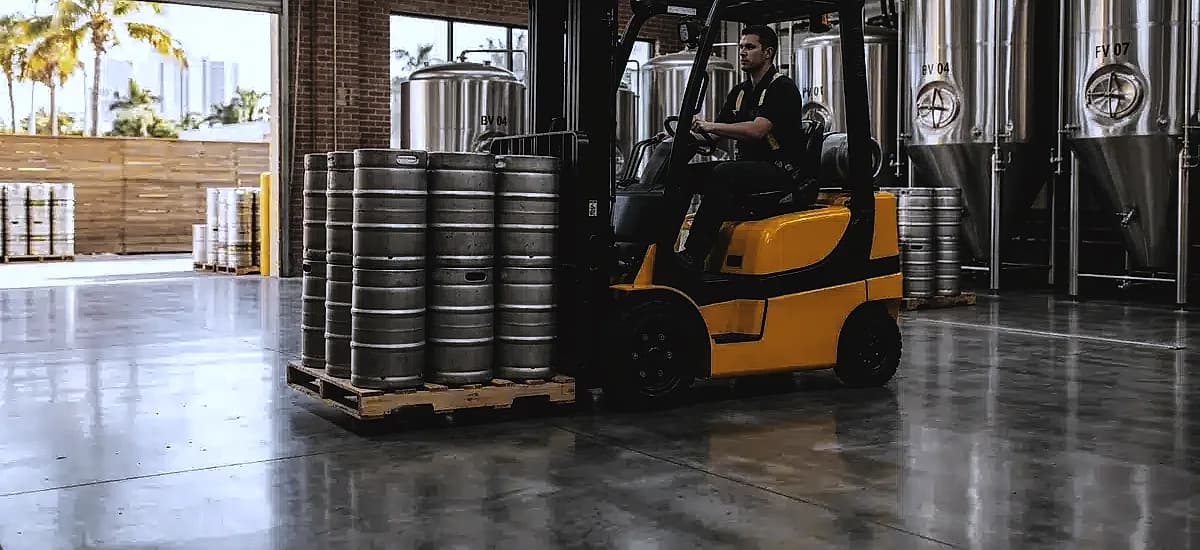
Craft breweries operate heavy machinery, including forklifts, motorized pallet jacks, automated kegging lines, and mobile brewing systems. A standard forklift carrying a full pallet of kegs generates tremendous point loads and abrasive friction. Polished concrete increases the surface strength of a standard slab to over 4,000 PSI, providing unparalleled abrasion resistance. It withstands the constant stress of dropped kegs and heavy traffic without chipping or wearing through. If you have ever wondered why some South Florida commercial floors feel bouncy and springy, it is often due to inadequate substrate strength failing under these exact heavy loads.
Comparing Brewery Flooring Options
When evaluating flooring investments in 2026, brewery owners must look beyond initial installation costs and consider the total lifecycle value. Here is how polished concrete compares to traditional brewery flooring materials:
| Feature | Polished Concrete | Epoxy Coatings | Quarry Tile |
|---|---|---|---|
| Average Lifespan | 20+ Years | 5-7 Years | 10-15 Years |
| Thermal Shock Resistance | Excellent (Monolithic) | Poor (Prone to delamination) | Moderate (Grout fails first) |
| Chemical Resistance | High (With proper densification) | High (Requires specialty urethane) | Low (Grout absorbs acids) |
| Maintenance Burden | Low (Sweep and auto-scrub) | Moderate (Requires recoating) | High (Constant regrouting) |
| Bacterial Harborage Risk | Very Low (Seamless) | Low (Until it chips/peels) | High (Grout lines trap debris) |
Step-by-Step Installation Process for Active Breweries
Installing a new floor in an operational brewery requires precision and speed to minimize downtime. The timeline for concrete polishing in South Florida typically ranges from 3 to 5 days, depending on facility size and initial slab condition. The process follows a strict, highly engineered sequence:
- Substrate Evaluation and Scanning: Before any grinding begins, professionals assess the slab for moisture vapor transmission rates (MVTR) and structural integrity. Advanced teams utilize ground-penetrating radar to understand what’s hiding under your concrete and why Miami projects need GPR scanning to avoid hitting post-tension cables or embedded plumbing.
- Surface Preparation and Profiling: Heavy-duty planetary grinders equipped with coarse diamond tooling remove the top layer of the concrete, erasing old coatings, stains, and micro-imperfections.
- Slope Correction and Drainage: Installers ensure the floor slopes correctly (typically 1/4 inch per foot) toward trench drains to prevent standing water, a critical OSHA and USDA requirement.
- Densification: A liquid silicate densifier is applied to the porous concrete. This triggers a chemical reaction that hardens the surface, locking out moisture and increasing abrasion resistance.
- Progressive Polishing: The floor is honed using progressively finer resin-bonded diamond pads until the desired sheen level (from matte to high-gloss) is achieved.
- Sealing and Anti-Slip Treatment: A micro-film penetrating sealer is applied to protect against immediate chemical spills. In wet production areas, anti-slip additives are integrated to meet the OSHA recommended static coefficient of friction (SCOF) of 0.6 or higher.
Designing the Perfect Taproom Experience
While production areas prioritize raw durability, taprooms must balance functionality with aesthetic appeal. Modern craft breweries blend industrial architecture with welcoming, comfortable environments. Polished concrete serves as the perfect foundational design element.
The high-gloss finish of a fully polished slab acts as a massive reflector. “Taproom aesthetics drive customer retention. A high-gloss concrete finish increases ambient lighting by up to 30%, drastically lowering energy consumption,” states Elena Rostova, Commercial Architect at Miami Design Group. This increased light reflectivity not only showcases the gleaming stainless steel brewing equipment but also reduces the facility’s reliance on artificial lighting.
Furthermore, the thermal mass of the concrete helps moderate indoor temperatures. In South Florida’s blistering summers, a cooled concrete slab retains its temperature, potentially reducing taproom cooling costs by 15-20%. This energy efficiency contributes significantly to facilities pursuing LEED certification from the U.S. Green Building Council. For facilities wanting a more subdued look, achieving a smooth concrete finish in South Florida with a matte or satin polish provides an elegant, modern industrial vibe without the high glare.
Maintenance Protocols for Maximum ROI
The true cost advantage of polished concrete emerges over its 20+ year lifespan through drastically reduced maintenance requirements. Unlike tile floors that require intensive scrubbing to clean grout lines, or epoxy floors that need complete recoating every 5 to 7 years, polished concrete simply requires routine sweeping and auto-scrubbing.
Brewery staff can conduct end-of-shift sanitization with minimal labor. Commercial floor scrubbers glide effortlessly across the seamless surface. Maintenance requires only neutral pH cleaners and periodic dust mopping. By eliminating the need for expensive regrouting or coating reapplication, South Florida breweries operating on tight margins protect their profitability while ensuring consistent, audit-ready sanitation standards.
Frequently Asked Questions
Does polished concrete meet USDA and FDA standards for breweries?
Yes. When properly densified and sealed, polished concrete creates a seamless, non-porous surface that meets all USDA and FDA requirements for food and beverage manufacturing. It eliminates joints and grout lines where bacteria and mold typically harbor.
How does polished concrete handle spilled beer and acidic brewing chemicals?
The mechanical densification process tightens the concrete’s molecular structure, making it highly resistant to the acidic nature of beer (pH 4.0) and harsh cleaning chemicals like peracetic acid. However, spills should still be washed down the drain promptly to maintain the sealer’s integrity.
Is polished concrete slippery when wet in a brewery production area?
Safety is paramount in wet environments. Production areas are typically finished with a lower-gloss matte polish and treated with penetrating sealers that contain micro-aggregate anti-slip additives. This ensures the floor meets OSHA slip-resistance standards even when covered in water or wort.
Can you polish an existing, old brewery floor?
Absolutely. Most existing concrete slabs can be retrofitted. The process involves grinding away old, failing epoxy coatings or adhesives, repairing spalls and cracks, and then densifying and polishing the native slab underneath. This is a highly sustainable and cost-effective renovation method.
How long does a polished concrete floor last in a commercial brewery?
With proper daily maintenance and routine cleaning using pH-neutral solutions, a polished concrete brewery floor will easily last 20 years or more. It outlasts epoxy coatings and quarry tile by decades, providing the highest return on investment of any industrial flooring option.
Will the polishing process disrupt my brewing schedule?
Professional installers use phased installation techniques and advanced dust-extraction systems attached directly to the grinding equipment. This allows concrete flooring solutions for Miami businesses to be installed section-by-section, minimizing downtime and preventing dust contamination in active brewing zones.
Conclusion
For South Florida craft breweries operating in 2026, flooring is not just a design choice—it is a critical piece of production infrastructure. Polished concrete delivers an unmatched combination of USDA-compliant sanitation, extreme chemical and thermal resistance, and long-term cost efficiency. By transforming a vulnerable, porous slab into a hardened, monolithic surface, breweries can eliminate the endless cycle of repairing failing epoxy or scrubbing dirty tile grout. Whether you are outfitting a heavy-duty fermentation zone or designing an inviting, energy-efficient taproom, polished concrete provides the durable foundation your business needs to thrive in a competitive market.
Ready to upgrade your brewery’s infrastructure with a floor built to last? Contact our team today to schedule a comprehensive site evaluation and discover how polished concrete can transform your facility.
Written by

Founder and CEO
Chris Lavin is an esteemed leader in concrete polishing and epoxy coatings with a distinguished 20-year career. As founder and CEO of National Concrete Polishing and owner of Xtreme Polishing Systems, he's renowned for polishing and epoxy coating more floors than anyone globally. Chris is recognized for his innovative approach and commitment to enhancing floor durability and aesthetics. His hands-on experience and technical proficiency make him a respected authority and a valuable resource in the field of floor polishing and coatings.
Same topic
Related articles
All stories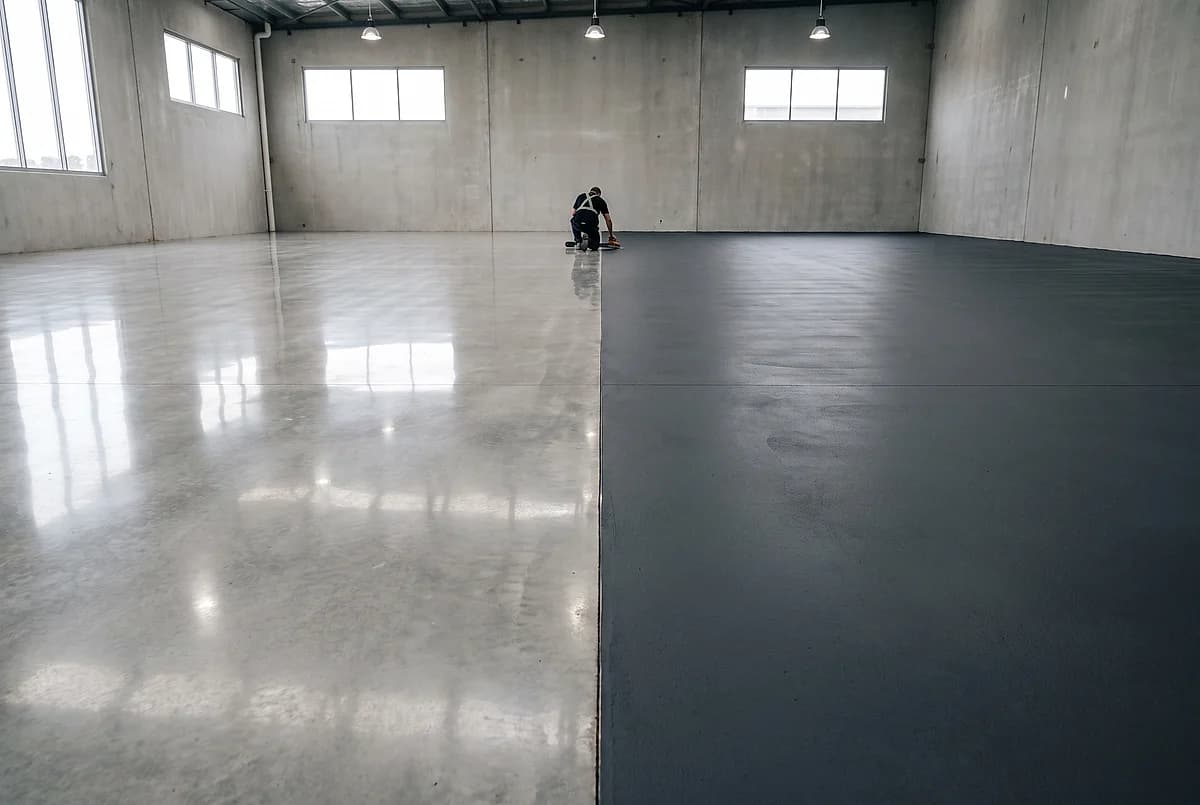
Polished concrete11 min read
Polished Concrete vs Epoxy Coatings: Which Floor Is Right for Your Space?
Two systems, two price curves, one slab. What each one costs to install and to keep, and which spaces each one actually suits.
Read it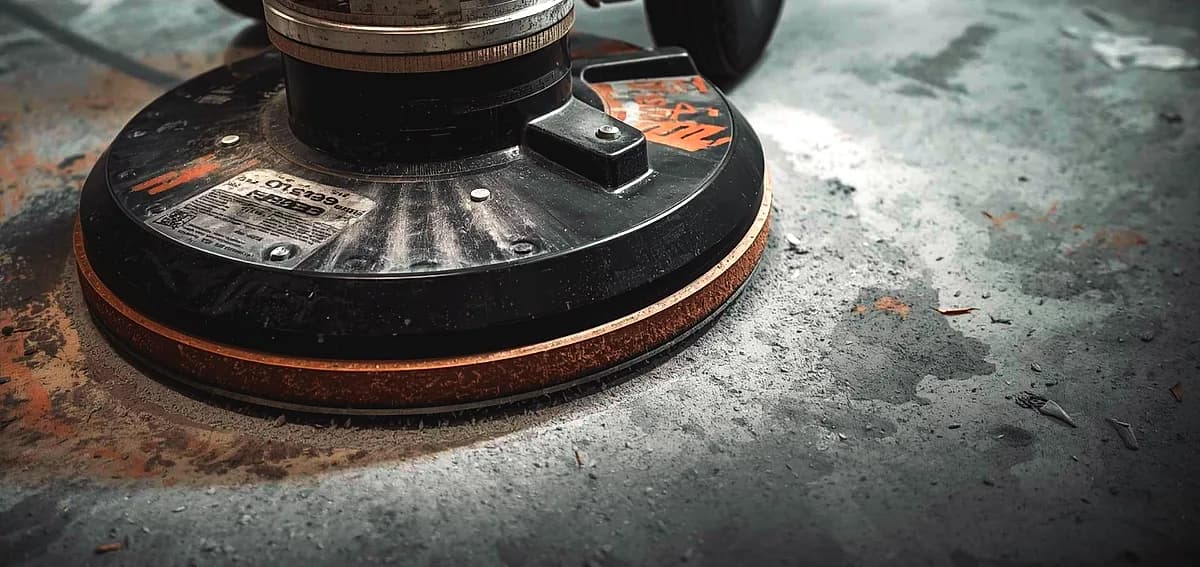
Polished concrete8 min read
What to Know Before Polishing Your Existing Concrete Slab
Before any mechanical refinement can begin, a thorough evaluation of the current foundation is required.
Read it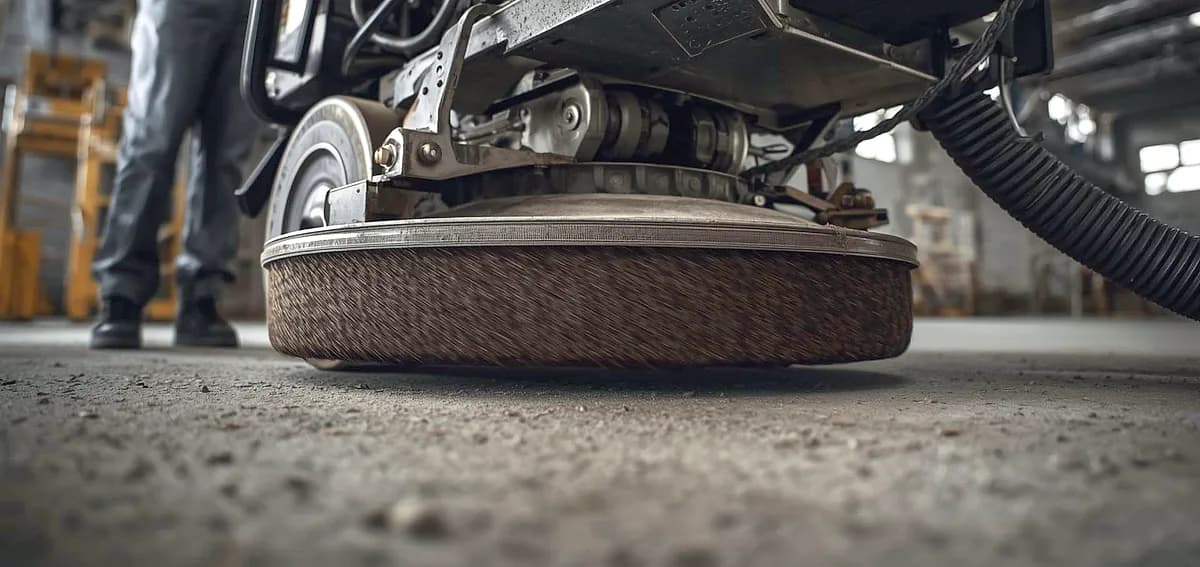
Polished concrete8 min read
Is Polished Concrete Worth the Investment for Miami Properties?
It is essential to distinguish between a simple topical seal and mechanically refined concrete.
Read it
Tell us about the floor
Tell us the space and roughly how big it is.We come back with what it would cost and when we could start.
Prefer to talk? Call +1 844-876-5474
- Leads@
nationalconcretepolishing.net - 2200 NW 32nd St #600,
Pompano Beach, FL 33069 Mon to Fri, 9:00 to 5:30