
The NCP blog
Miami Basement Epoxy Flooring: Moisture-Resistant Options
Residential13 min read
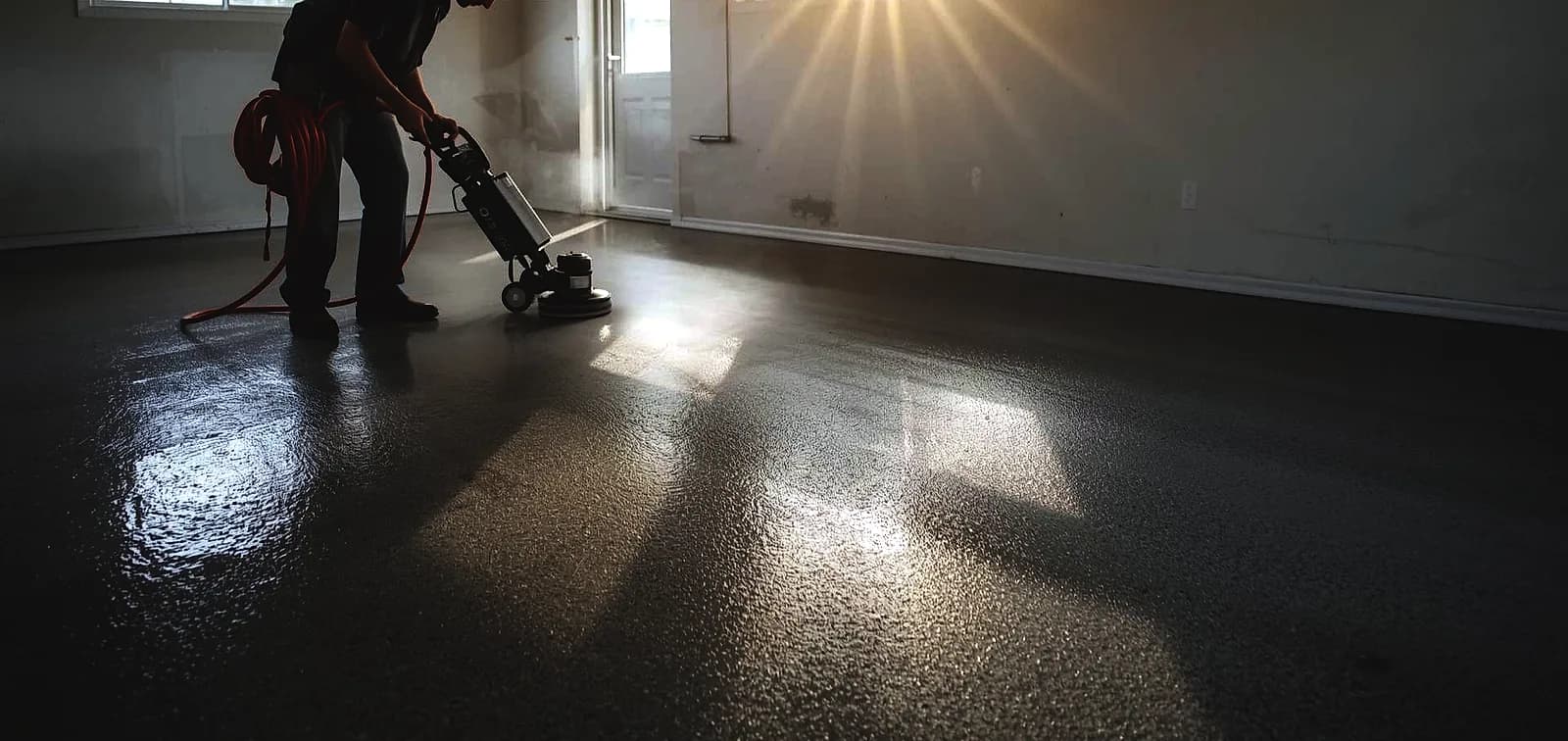
Concrete, the standard substrate for basement floors, is inherently porous despite its solid appearance.
Miami homeowners with basements face a persistent challenge that many other regions never encounter: relentless humidity and high groundwater tables that threaten any flooring investment. Epoxy coatings have emerged as the definitive solution for basement environments in South Florida, creating an impermeable, seamless surface that withstands moisture intrusion while delivering exceptional durability. These systems bond directly to concrete substrates, forming a waterproof barrier that protects against the region’s unique environmental pressures while requiring minimal maintenance over their 15-20 year lifespan.
Key Takeaways:
- Miami’s subtropical climate with humidity exceeding 70% makes moisture-resistant basement flooring essential
- Epoxy coatings create a seamless, waterproof barrier that prevents moisture penetration through concrete
- Multiple epoxy formulations exist for different moisture challenges: standard, moisture-tolerant, 100% solids, and decorative flake systems
- Professional installation with proper surface preparation ensures optimal performance and longevity
- Average costs range from $6-12 per square foot depending on system selection and preparation requirements
- Regular maintenance involves simple cleaning protocols that preserve the coating’s integrity for decades
- Antimicrobial additives can be incorporated to prevent mold growth in humid environments
Why Miami Basements Require Specialized Flooring Solutions
The environmental conditions in South Florida create basement flooring challenges that differ fundamentally from those in drier climates. According to the National Weather Service, Miami experiences average summer humidity levels of 75-85%, with precipitation exceeding 60 inches annually. These conditions generate persistent moisture pressure against basement floors and walls, making traditional flooring materials like carpet, hardwood, and laminate particularly vulnerable to premature failure.
Concrete, the standard substrate for basement floors, is inherently porous despite its solid appearance. Microscopic pores and capillary channels within concrete allow moisture from surrounding soil to migrate upward through a process called capillary action. This phenomenon, combined with hydrostatic pressure from Miami’s high water table, creates conditions where water vapor continuously moves toward the basement interior. Standard flooring materials absorb this moisture, leading to mold growth, warping, cupping, and structural deterioration within just a few years of installation.
Epoxy basement flooring systems address these challenges through their unique chemical composition and application method. When properly applied, epoxy coatings create a completely seamless surface that bonds molecularly to the concrete substrate, eliminating the pathways through which moisture typically travels. This waterproof barrier remains stable under the hydrostatic pressures common to South Florida properties, protecting both the flooring investment and the structural integrity of the basement space.
Understanding Epoxy Coating Technology for Basement Environments
Epoxy coatings belong to a class of thermosetting polymers that cure through a chemical reaction between epoxy resins and hardening agents. This reaction, called cross-linking, creates a rigid, three-dimensional molecular structure that exhibits exceptional adhesion to concrete while providing superior resistance to moisture, chemicals, and physical wear. The resulting surface is neither truly liquid nor solid but possesses characteristics of both, allowing it to flex slightly with concrete movement while maintaining structural integrity.
The waterproofing capability of epoxy stems from this cross-linked structure, which leaves virtually no void spaces or pores within the cured coating. Unlike topical sealers that merely coat the surface, epoxy penetrates into the concrete substrate and bonds at a molecular level, creating a unified system that resists delamination even under significant moisture pressure. This penetration depth typically ranges from 1/16 to 1/8 inch into the concrete, depending on the specific formulation and substrate porosity.
Modern epoxy formulations for basement applications have evolved significantly from earlier versions. Today’s systems incorporate advanced moisture mitigation technologies, UV-stable colorants, and antimicrobial additives that address the specific challenges of humid environments. Manufacturers now produce epoxy coatings with varying viscosity levels, cure times, and performance characteristics, allowing installers to select the optimal product for each unique basement condition.
Moisture-Resistant Epoxy Options for Miami Basements
Selecting the appropriate epoxy system requires understanding the specific moisture conditions present in each basement. The following comparison outlines the primary options available for Miami homeowners, along with their ideal applications and performance characteristics.
| Epoxy System Type | Best Application | Moisture Resistance | Typical Lifespan | Cost Range (per sq ft) |
|---|---|---|---|---|
| Standard Epoxy Coating | Moderate humidity basements | High | 15-20 years | $6-8 |
| Moisture-Tolerant Epoxy | Basements with damp concrete | Very High | 18-22 years | $8-10 |
| 100% Solids Epoxy | High moisture pressure areas | Exceptional | 20-25 years | $10-12 |
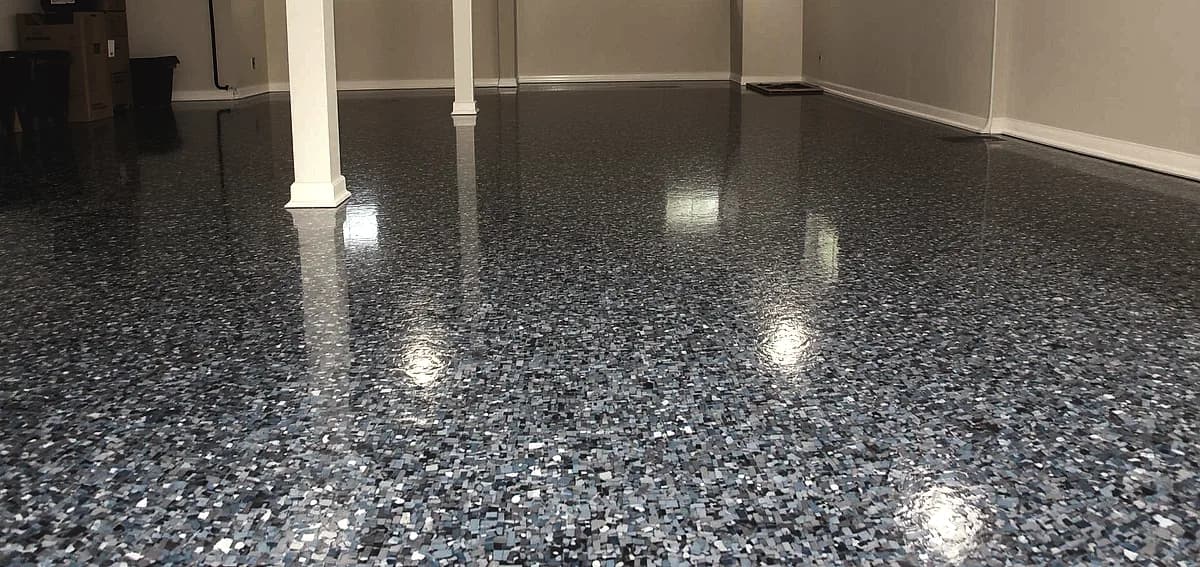
| Decorative Flake System | Living spaces, play areas | High | 15-20 years | $9-12 |
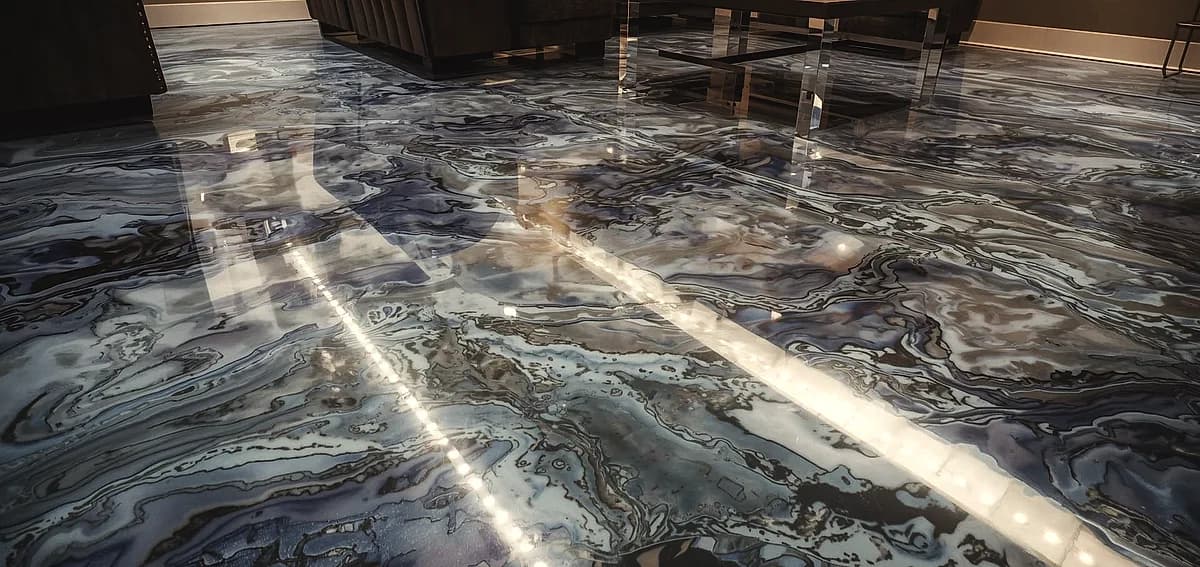
| Metallic Epoxy | Showcase areas, home offices | High | 15-20 years | $12-18 |
Standard Epoxy Coatings
Standard epoxy coatings provide reliable moisture resistance for basements with moderate humidity levels. These two-component systems consist of epoxy resin mixed with a hardening agent immediately before application, creating a coating thickness of 10-15 mils when applied at recommended coverage rates. Standard epoxies cure within 12-24 hours and reach full chemical resistance within 7 days, providing excellent adhesion to properly prepared concrete substrates.
For Miami basements in newer construction or properties with effective exterior waterproofing, standard epoxy coatings offer an economical solution that delivers reliable performance. These systems are available in a wide range of colors and can be enhanced with decorative chips or quartz aggregates for improved slip resistance and visual appeal. The straightforward application process typically requires two coats over a compatible primer, with each coat applied at 8-10 mils thickness.
Moisture-Tolerant Epoxy Systems
Moisture-tolerant epoxy formulations represent a significant advancement for basements where concrete moisture levels exceed normal parameters. These specialized systems incorporate modified epoxy resins that maintain adhesion even when applied to concrete with elevated moisture content. The technology prevents outgassing bubbles that typically form when standard epoxy encounters moisture during cure, ensuring a smooth, bubble-free finish regardless of subfloor conditions.
According to technical specifications from the American Concrete Institute, moisture-tolerant epoxies can achieve proper bond to concrete with relative humidity levels up to 85%, compared to the 75% maximum recommended for standard formulations. This capability makes them particularly valuable for Miami basements where groundwater fluctuations and seasonal humidity changes create variable moisture conditions. The enhanced adhesion properties also provide improved resistance to thermal cycling, a consideration for basements that experience temperature variations throughout the year.
100% Solids Epoxy Coatings
100% solids epoxy systems deliver maximum performance for basements facing severe moisture challenges. Unlike lower-solids formulations that contain solvents or water carriers, these coatings cure without significant volume loss, achieving final thickness equal to the applied wet film thickness. This characteristic results in coating thickness of 20-30 mils in a single application, creating an exceptionally robust barrier against moisture penetration.
The superior thickness of 100% solids systems provides additional benefits beyond moisture resistance. Impact resistance improves significantly with increased coating thickness, protecting the floor surface from dropped tools, furniture movement, and other mechanical stresses common in basement environments. The enhanced chemical resistance also proves valuable for basements that may experience occasional exposure to household chemicals, automotive fluids, or cleaning agents.
The Installation Process: Professional Application for Optimal Results
Successful epoxy basement flooring installation requires meticulous attention to surface preparation, environmental conditions, and application technique. Professional installers follow a systematic process that addresses each variable affecting coating performance, ensuring results that meet or exceed manufacturer specifications while providing the moisture resistance Miami basements require.
Surface Preparation: The Foundation of Success
Surface preparation accounts for approximately 80% of the factors determining epoxy coating success or failure. Concrete substrates must achieve a specific surface profile—measured on the Concrete Surface Profile (CSP) scale—to ensure adequate mechanical bonding between the epoxy and substrate. For epoxy applications, a CSP of 2-3 is typically required, achieved through diamond grinding or shot blasting methods.
The preparation process begins with comprehensive moisture testing using calibrated concrete moisture meters. These devices measure the rate of moisture vapor emission from the concrete surface, expressed in pounds per 1,000 square feet per 24 hours. Professional installers use these readings to determine appropriate epoxy selection and any required moisture mitigation measures. Temperature and humidity monitoring throughout the installation process ensures conditions remain within manufacturer-specified ranges for proper cure.
Existing coatings, sealers, or contaminants must be completely removed before epoxy application. This removal typically involves diamond grinding with 30-60 grit diamond tooling, followed by thorough cleaning to eliminate all dust and debris. Cracks, spalls, and surface defects are repaired using epoxy filler compounds or polyurethane caulk, creating a smooth, uniform substrate for coating application. Any expansion joints or control joints present in the original concrete must be addressed through appropriate joint treatment methods that accommodate movement while maintaining moisture resistance.
Application Methodology
Professional epoxy application follows a precise sequence that optimizes coating adhesion and performance. The process typically proceeds as follows:
- Initial Assessment — Moisture testing, temperature/humidity verification, and substrate condition evaluation
- Surface Preparation — Diamond grinding to CSP 2-3, crack repair, and contamination removal
- Cleaning — Thorough vacuuming and solvent wiping to eliminate all particulate matter
- Moisture Mitigation — Application of moisture-tolerant primer if concrete moisture exceeds standard epoxy thresholds
- Primer Application — First primer coat applied at manufacturer-specified coverage rate, allowed to cure 4-8 hours
- Base Coat Application — First epoxy coat applied at 10-20 mils thickness using notched squeegee followed by roller backroll
- Intermediate Cure — 12-24 hour cure period before second coat application
- Top Coat Application — Second epoxy coat or topcoat sealer applied for final protection
- Final Cure — 24-72 hour cure period before light foot traffic; 7 days before full use
Environmental conditions during application significantly impact final results. Ideal conditions include concrete temperatures of 50°F (10°C) or higher, ambient temperatures between 60-85°F (15-29°C), and relative humidity below 85%. Application outside these parameters may result in extended cure times, incomplete cure, or reduced adhesion—all compromising the moisture-resistant properties that make epoxy ideal for Miami basements.
Cost Considerations and Return on Investment
Epoxy basement flooring represents a meaningful investment that typically ranges from $6 to $12 per square foot for professional installation, depending on system selection, surface preparation requirements, and project complexity. For a standard 500-square-foot basement, total project costs generally fall between $3,000 and $6,000, including surface preparation, materials, and professional installation.
While this initial investment exceeds that of basic flooring alternatives like vinyl plank or carpet, the long-term economics favor epoxy systems significantly. Traditional basement flooring materials in Miami’s humid climate typically require replacement every 3-7 years due to moisture damage, mold growth, or structural deterioration. The cumulative cost of repeated replacement—including materials, installation, and disposal—quickly surpasses the single investment in epoxy flooring that provides 15-25 years of service life.
Additional value derives from epoxy’s contribution to property value and basement usability. Moisture-resistant epoxy transforms previously unusable basement spaces into functional living areas, home offices, entertainment spaces, or storage areas. This expanded living space translates directly to increased property value, typically recovering 50-70% of the flooring investment through enhanced property appraisal. The seamless, easy-to-clean surface also reduces ongoing maintenance costs and effort compared to carpet or other traditional flooring materials.
Maintenance Protocols for Long-Term Performance
One of the most attractive features of epoxy basement flooring is its minimal maintenance requirement compared to traditional flooring materials. The seamless, non-porous surface resists staining, doesn’t harbor dust mites or allergens, and cleans easily with basic household products. Following simple maintenance protocols ensures optimal appearance and performance throughout the coating’s extended service life.
Daily maintenance involves dry mopping or sweeping to remove loose debris that could scratch the surface finish over time. Weekly cleaning with a pH-neutral cleaner diluted in warm water maintains the floor’s shine without degrading the epoxy coating. For stubborn spots or stains, soft scrubbers or nylon brushes effectively clean without damaging the surface. Avoid abrasive cleaners, steel wool, or harsh chemicals that could dull the finish or compromise the coating’s integrity.
Periodic deep cleaning every few months keeps the floor looking its best while addressing any accumulated residue from regular maintenance. A soft mop with warm water and a small amount of ammonia (typically 2-3 ounces per gallon) effectively removes built-up contaminants without the film residue that soap-based cleaners sometimes leave. Rinse thoroughly with clean water to prevent residue accumulation that could dull the finish over time.
Preventive measures extend coating lifespan significantly. Place doormats at basement entrances to reduce tracked-in debris. Use felt pads under furniture legs to prevent scratching. Address any spills promptly, particularly acidic substances like wine, juice, or cleaning chemicals that could potentially stain if left for extended periods. With these simple precautions, epoxy basement flooring maintains its moisture-resistant properties and attractive appearance for decades of service.
Making the Decision: Is Epoxy Right for Your Miami Basement?
Evaluating epoxy basement flooring requires honest assessment of your specific basement conditions, usage requirements, and long-term objectives. For Miami homeowners dealing with persistent humidity, occasional moisture intrusion, or basement spaces that see regular use, epoxy provides compelling advantages that justify the investment. The moisture resistance, durability, and easy maintenance address the exact challenges that make traditional flooring impractical in South Florida’s climate.
Consider scheduling a professional moisture assessment before making your final decision. Qualified installers can evaluate your basement’s specific conditions, measure concrete moisture levels, and recommend the most appropriate epoxy system for your situation. This assessment typically involves no obligation and provides valuable information for your flooring decision regardless of which direction you ultimately choose.
When comparing quotes from different installers, ensure each includes the same scope of work—surface preparation method, number of coats, system specifications, and warranty terms. Significant price variations often reflect differences in preparation quality, coating thickness, or system components that directly impact performance and longevity. The lowest bid may not represent the best value if it compromises on critical factors affecting moisture resistance or long-term durability.
Conclusion
Epoxy basement flooring offers Miami homeowners a proven solution for transforming moisture-prone basement spaces into functional, attractive areas that withstand South Florida’s challenging environmental conditions. The seamless, waterproof barrier created by professional epoxy installation addresses the root causes of basement moisture problems while providing exceptional durability, easy maintenance, and long-term value that traditional flooring materials simply cannot match.
The investment in quality epoxy flooring—typically ranging from $3,000 to $6,000 for standard basement installations—pays dividends through decades of reliable service, reduced maintenance requirements, and expanded living space. By selecting an experienced professional installer and choosing the appropriate epoxy system for your specific conditions, you ensure optimal results that protect your investment while enhancing your home’s functionality and value.
If you’re ready to explore epoxy options for your Miami basement, consulting with a professional installer provides the detailed guidance needed to make an informed decision. Expert assessment of your basement’s unique conditions, combined with customized recommendations, ensures the solution you choose delivers the moisture resistance and lasting performance your property requires. Contact our team today to schedule a consultation and discover how epoxy basement flooring can transform your space.
References
- Environmental Protection Agency – Mold Prevention Guidelines
- American Concrete Institute – Technical Specifications for Coating Application
- National Climatic Data Center – South Florida Climate Statistics
- National Weather Service – Miami Regional Climate Data
Frequently Asked Questions
How long does epoxy basement flooring last in Miami’s humid climate?
Professionally installed epoxy basement flooring typically lasts 15-25 years in Miami’s climate, depending on the specific system chosen, installation quality, and maintenance practices. 100% solids epoxy systems generally provide the longest service life, while standard epoxy coatings offer reliable performance for 15-20 years with proper care.
Can epoxy flooring be installed over damp concrete in basements?
Yes, moisture-tolerant epoxy formulations are specifically designed for application over concrete with elevated moisture content. These systems can achieve proper bond to concrete with relative humidity levels up to 85%, making them suitable for Miami basements where concrete moisture fluctuates with seasonal conditions and groundwater levels.
Will epoxy flooring prevent mold growth in my basement?
Epoxy coatings create a non-porous, seamless surface that does not support mold growth. Unlike organic flooring materials such as carpet or wood, epoxy provides no food source for mold spores. For enhanced protection, antimicrobial additives can be incorporated into the epoxy system during installation to actively inhibit any mold or bacterial growth on the surface.
How much does professional epoxy basement flooring cost in South Florida?
Professional epoxy basement flooring installation in South Florida typically costs between $6 and $12 per square foot, depending on system selection, surface preparation requirements, and project complexity. For a standard 500-square-foot basement, total project costs generally range from $3,000 to $6,000, including surface preparation, materials, and professional installation.
What surface preparation is required before installing epoxy in a basement?
Surface preparation typically involves diamond grinding or shot blasting to achieve a Concrete Surface Profile (CSP) of 2-3, crack repair, and thorough cleaning to remove all dust and debris. Professional installers also conduct moisture testing to determine appropriate epoxy selection and any required moisture mitigation measures. This preparation typically accounts for 60-70% of total installation time.
How long must I wait before using my basement after epoxy installation?
Light foot traffic is typically permitted 24-72 hours after final coat application, depending on the specific epoxy system and environmental conditions. Full use—including placement of furniture and heavy items—should wait until complete cure, generally 7 days for standard epoxy systems. Following manufacturer cure time specifications ensures optimal coating performance and moisture resistance.
Can I install epoxy flooring myself to save money?
While DIY epoxy kits are available, professional installation is strongly recommended for basement applications, particularly in Miami’s challenging climate. Professional installers possess the equipment, expertise, and experience to properly assess conditions, prepare surfaces, select appropriate systems, and apply coatings to manufacturer specifications. Improper installation frequently results in delamination, bubbling, or premature failure—costing more in repairs than the initial professional installation investment.
What maintenance is required for epoxy basement floors?
Epoxy basement flooring requires minimal maintenance compared to traditional flooring materials. Daily dry mopping or sweeping removes loose debris. Weekly cleaning with pH-neutral cleaners maintains the shine without degrading the coating. Periodic deep cleaning with diluted ammonia effectively removes accumulated residue. Avoid abrasive cleaners, steel wool, and harsh chemicals that could dull the finish or compromise coating integrity.
Written by

Founder and CEO
Chris Lavin is an esteemed leader in concrete polishing and epoxy coatings with a distinguished 20-year career. As founder and CEO of National Concrete Polishing and owner of Xtreme Polishing Systems, he's renowned for polishing and epoxy coating more floors than anyone globally. Chris is recognized for his innovative approach and commitment to enhancing floor durability and aesthetics. His hands-on experience and technical proficiency make him a respected authority and a valuable resource in the field of floor polishing and coatings.
Same topic
Related articles
All stories
Residential8 min read
What Restaurants Need to Pass a Health Inspection Floor Check
It endures heavy foot traffic, dropped equipment, boiling water spills, and harsh degreasing chemicals daily.
Read it
Residential9 min read
How Restaurants Replace Their Floors Without Closing for Long
The average food service establishment loses approximately $3,500 in daily revenue during unexpected closures in 2026.
Read it
Residential8 min read
Where Polished Concrete Beats Epoxy in a Home (and Where It Doesn’t)
Before evaluating specific rooms, it is essential to understand how these two flooring systems function.
Read it
Tell us about the floor
Tell us the space and roughly how big it is.We come back with what it would cost and when we could start.
Prefer to talk? Call +1 844-876-5474
- Leads@
nationalconcretepolishing.net - 2200 NW 32nd St #600,
Pompano Beach, FL 33069 Mon to Fri, 9:00 to 5:30