
The NCP blog
Kitchen Epoxy Flooring Options for Fort Lauderdale Homes
Residential9 min read
If you are considering new floors, you may be wondering if resinous coatings are suitable for high-traffic culinary spaces.
The average return on investment for a major kitchen remodel is approximately 77 percent in 2026, and high-quality flooring plays a significant role in that valuation. If you are considering new floors, you may be wondering if resinous coatings are suitable for high-traffic culinary spaces. We have the right article for you, covering everything you need to know about selecting the ideal epoxy system for your Fort Lauderdale home.
The Science Behind Resinous Flooring
Many homeowners are familiar with standard tile or hardwood, but fewer understand the chemistry behind resinous surface solutions. An epoxy coating consists of a polyamine hardener and a synthetic resin. When these two distinct components mix, a chemical reaction occurs that creates a rigid plastic material.
This resulting material forms an exceptionally strong mechanical bond with porous surfaces like prepared concrete. According to research from the American Concrete Institute, this structural bond prevents the coating from delaminating or lifting under heavy loads. It is essential to properly prepare the substrate to ensure this reaction happens correctly.
Modern formulations have advanced significantly by 2026 to become safer for residential environments. As Marcus Torres, Director of Sustainability at the U.S. Green Building Council, states: ‘Modern epoxy formulations offer incredibly low volatile organic compound emissions, supporting healthier indoor air quality in residential properties.’ This makes these advanced coatings highly suitable for food preparation areas.
Exceptional Durability in High-Traffic Zones
Traditional materials like ceramic tile can crack when a heavy pot drops directly onto the surface. Conversely, a multi-layer resin system absorbs impacts highly effectively. It is advisable to use a polymer-modified overlay if your existing concrete shows signs of minor damage before applying the final coating.
This impact resistance extends to scuffs and scratches from moving heavy appliances like refrigerators or large kitchen islands. Data published by the National Association of Realtors indicates that 68 percent of home buyers in 2026 prioritize highly durable, low-maintenance finishes in their property searches.
Superior Hygiene and Cleanliness
Maintaining a sanitary environment is a top priority for any home chef. Because resin coatings are applied as a continuous liquid, they cure into a completely seamless surface. There are no grout lines or seams where dirt, food particles, or bacteria can accumulate over time.
As David Brown, Lead Architectural Designer at the National Association of the Remodeling Industry, notes: ‘Seamless flooring fundamentally alters kitchen maintenance by eliminating grout lines where pathogens typically breed.’ You can simply wipe away spills without worrying about stains penetrating the floor.
Moisture Resistance in Humid Climates
Fort Lauderdale experiences significant humidity levels throughout the year. This persistent moisture can cause natural wood floors to warp and laminate planks to swell at the seams. Epoxy creates an impermeable moisture barrier that blocks ambient humidity and liquid spills completely.
It is crucial to measure the moisture vapor transmission rate of your concrete slab prior to installation. If moisture levels are too high, specialized moisture-mitigating primers are required to prevent the new floor from blistering.
Popular Kitchen Epoxy Flooring Options
Homeowners have an impressive array of design choices when customizing their kitchen floors. The days of basic, industrial-looking gray coatings are long gone. Today, you can select specific textures, colors, and visual effects to match any interior design style perfectly.
Solid Color Epoxy Systems
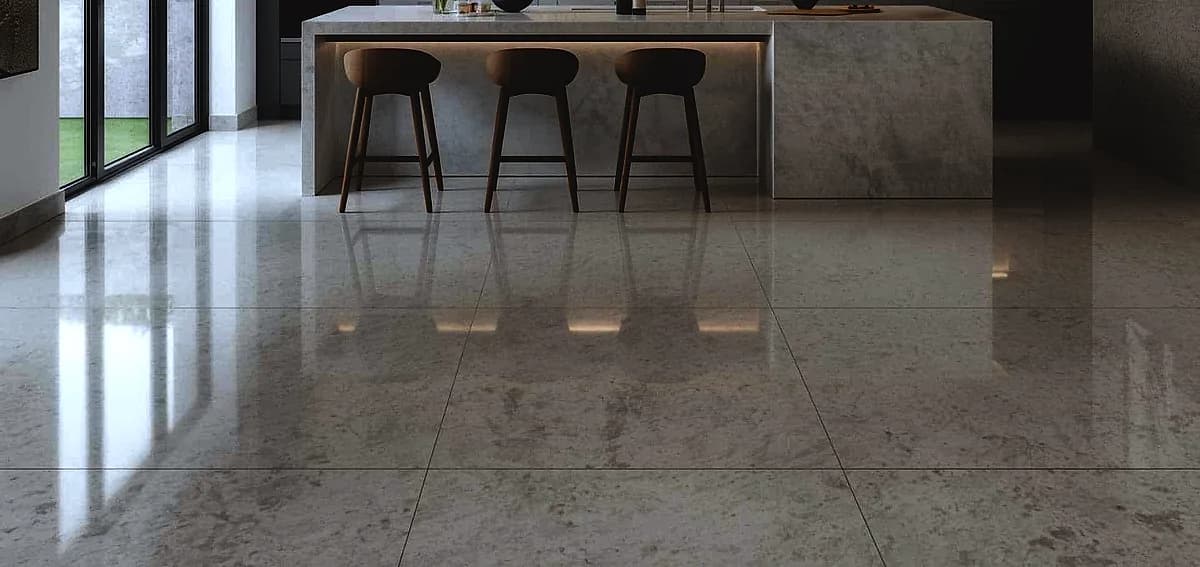
A solid color finish provides a sleek, minimalist aesthetic that works beautifully in modern or contemporary homes. You can choose from crisp whites, deep charcoal grays, or vibrant custom colors. This option typically requires a perfectly smooth substrate, as solid colors can highlight underlying surface imperfections.
Many homeowners opt to incorporate micro-toppings over their existing concrete to achieve a flawless base layer before applying a solid color. This ensures a glass-like finish that reflects ambient lighting and makes the culinary space feel noticeably larger.
Decorative Flake Epoxy
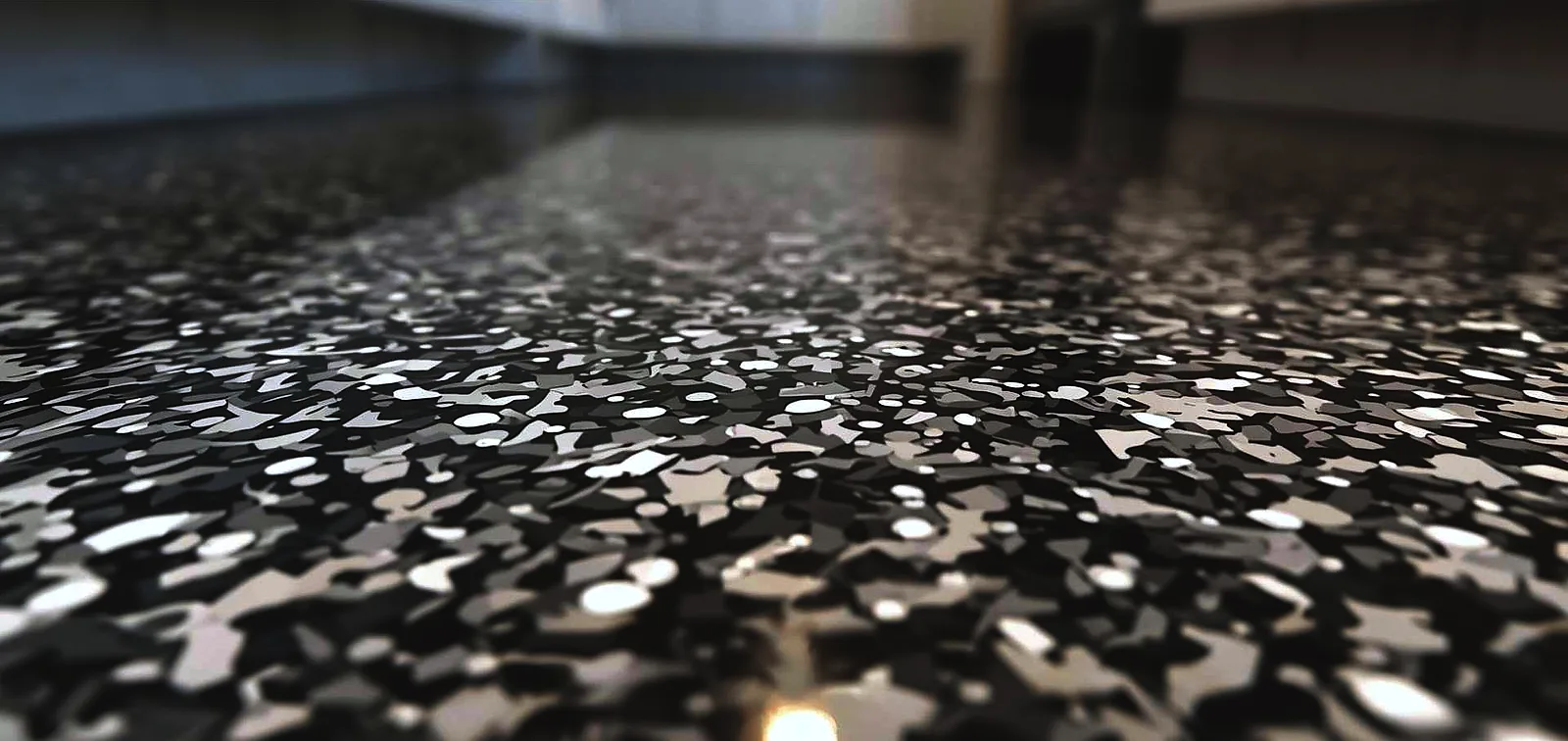
Flake systems involve broadcasting vinyl paint chips into the wet basecoat before sealing the entire surface with a clear protective layer. This creates a slightly textured, multi-colored finish that resembles granite or terrazzo. It is an exceptionally popular choice for busy households.
The randomized pattern of the vinyl chips is highly effective at hiding dust, pet hair, and minor debris between routine cleanings. Furthermore, the slight texture provides valuable slip resistance, which increases safety in areas prone to water spills near sinks or dishwashers.
Metallic Epoxy Finishes
For a truly dramatic and luxurious appearance, metallic pigments offer an unparalleled visual impact. Installers mix specialized metallic powders into a clear resin, which is then manipulated using rollers and squeegees. This process creates dynamic, three-dimensional swirls that mimic the look of natural marble or flowing water.
Because the metallic pigments shift naturally as the material cures, no two floors are ever exactly alike. Consider this option if you want your kitchen floor to serve as a stunning, custom centerpiece for your home.
Comparing Epoxy to Traditional Kitchen Flooring
When evaluating your renovation budget, it helps to compare resinous coatings directly against standard materials. Each option carries distinct advantages, but seamless systems often provide the lowest total cost of ownership over a twenty-year period. You avoid the costs associated with resealing grout or refinishing scratched hardwood.
| Flooring Material | Durability Level | Maintenance Requirements | Moisture Resistance |
|---|---|---|---|
| Resinous Coatings | Very High | Low | Exceptional |
| Ceramic Tile | Moderate | High (Grout Cleaning) | High |
| Hardwood | Low | Moderate | Low |
| Luxury Vinyl Plank | Moderate | Low | Moderate |
As the comparison table illustrates, seamless coatings offer an impressive combination of low maintenance and high resistance to environmental stress. This balance is particularly advantageous in active residential settings.
Factors Influencing Epoxy Flooring Costs in 2026
The financial investment required for a seamless floor varies based on several distinct site conditions and design choices. On average, homeowners can expect to invest between $6 and $14 per square foot for professional installation. Understanding the variables can help you budget accurately for your project.
- Concrete Slab Condition: Repairing extensive spalling, which is the flaking or chipping of the surface, requires additional labor and materials. Self-leveling overlays may be necessary for uneven floors, increasing the overall cost.
- System Complexity: A basic solid color system costs significantly less than a multi-layered metallic or full-broadcast flake floor. Decorative finishes demand more expensive materials and extended installation timelines.
- Square Footage: Larger open-concept kitchens generally yield a lower cost per square foot due to economies of scale. Smaller, segmented rooms require more intricate edge work and slower manual application.
- Topcoat Selection: Upgrading to a premium polyaspartic topcoat increases the initial material cost but dramatically improves UV resistance and turnaround times. It is highly advisable to invest in a quality topcoat to ensure long-term performance.
The Epoxy Installation Process
Achieving a flawless, enduring finish relies entirely on meticulous professional execution. According to industry statistics, 85 percent of all coating failures stem directly from inadequate surface preparation. This is not a project suited for basic DIY kits from a hardware store.
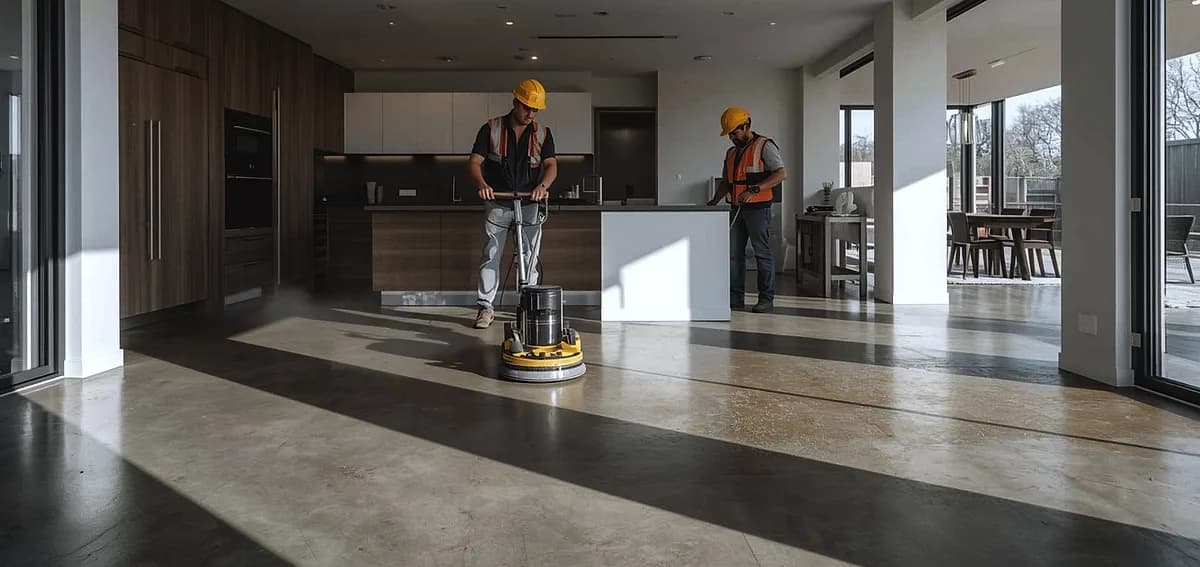
The professional process follows strict protocols to ensure maximum adhesion and aesthetic perfection. Here are the precise steps our technicians follow when transforming a residential space.
- Surface Profiling: We utilize heavy-duty diamond grinders equipped with HEPA vacuums to remove old adhesives, stains, and the top layer of concrete. This process opens the pores of the slab, creating the necessary rough profile for the primer to grip.
- Concrete Repair: We thoroughly inspect the floor for cracks, divots, or structural issues. Technicians fill these imperfections with a rapid-curing polyurea filler and grind the patches perfectly flush with the surrounding floor.
- Primer Application: A specialized penetrating primer is rolled onto the porous concrete. This layer seals off trapped air and prevents moisture from rising through the slab, mitigating the risk of future blistering.
- Basecoat and Broadcast: We apply the pigmented base resin evenly across the entire area. If you selected a decorative flake system, the vinyl chips are uniformly broadcast into this wet layer until the surface is fully covered.
- Protective Topcoat: Once the base layer cures, we scrape away any excess flakes and apply a clear, UV-stable polyurethane or polyaspartic topcoat. This final layer provides the floor’s signature gloss and exceptional scratch resistance.
Maintenance and Longevity in High-Traffic Kitchens
One of the primary benefits of this flooring type is the exceptionally minimal maintenance routine it requires. You do not need to purchase specialized waxes, steam cleaners, or harsh chemical strippers to keep the surface looking pristine. In fact, abrasive cleaning tools can prematurely dull the glossy finish.
For daily cleaning, simply use a soft-bristle broom or a microfiber dust mop to remove loose grit. When wet mopping is necessary, use a mixture of warm water and a pH-neutral cleaner or mild dish soap. Ensure that you rinse the floor properly to avoid leaving a soapy residue, which can make the surface slippery and attract dirt.
If your floor begins to lose its luster after a decade of heavy use, you do not need to replace the entire system. Professionals can lightly sand the existing topcoat and apply a fresh clear layer. This simple rejuvenation process extends the lifespan of your floor for another 10 to 15 years at a fraction of the initial installation cost.
Frequently Asked Questions
Are epoxy floors slippery when wet?
Like any smooth surface, a highly polished resinous coating can become slippery when liquid is present. However, professionals easily mitigate this by broadcasting anti-slip aggregates or aluminum oxide directly into the final topcoat. This creates a subtle texture that significantly improves foot traction.
Can you apply this coating over existing tile?
Yes, it is possible to apply resin over well-bonded ceramic or porcelain tile. Installers must first mechanically grind the tile to remove the glaze and fill the grout lines with a leveling compound. This ensures the final surface is perfectly flat and seamless.
How long does the installation take?
A standard residential installation typically requires three to five consecutive days. This timeline accounts for concrete grinding, crack repairs, and the necessary curing periods between each distinct chemical layer. Rushing the curing phases often leads to structural failure.
Does the curing process produce strong odors?
While older solvent-based systems emitted strong fumes, modern 100-percent solids formulas produce very low volatile organic compounds. You may notice a faint, temporary odor similar to standard interior house paint. We utilize commercial-grade ventilation equipment to minimize any disruption to your household.
Is this flooring safe for food preparation areas?
Absolutely. Once fully cured, the material becomes completely inert and non-toxic. The lack of seams and absolute resistance to bacterial growth make it one of the most hygienic flooring options available for culinary environments.
Can the surface scratch easily?
While exceptionally tough, resinous coatings are not entirely scratch-proof. Sliding heavy metal appliances or dropping sharp objects can leave superficial marks. We apply premium polyurethane topcoats that specifically maximize scratch and scuff resistance to protect your investment.
Final Thoughts
Upgrading your culinary space with a high-performance resinous floor is a strategic investment in both property value and daily convenience. The material’s unique combination of absolute moisture resistance, heavy-duty durability, and customizable aesthetics makes it an ideal choice for humid South Florida environments in 2026. Whether you prefer the modern elegance of a solid color or the textured practicality of a flake system, meticulous professional installation is the key to achieving a lasting finish. If you are ready to transform your home with a floor that can handle everything your family throws at it, contact our team of experts for a comprehensive site evaluation.
References
Written by

Founder and CEO
Chris Lavin is an esteemed leader in concrete polishing and epoxy coatings with a distinguished 20-year career. As founder and CEO of National Concrete Polishing and owner of Xtreme Polishing Systems, he's renowned for polishing and epoxy coating more floors than anyone globally. Chris is recognized for his innovative approach and commitment to enhancing floor durability and aesthetics. His hands-on experience and technical proficiency make him a respected authority and a valuable resource in the field of floor polishing and coatings.
Same topic
Related articles
All stories
Residential8 min read
What Restaurants Need to Pass a Health Inspection Floor Check
It endures heavy foot traffic, dropped equipment, boiling water spills, and harsh degreasing chemicals daily.
Read it
Residential9 min read
How Restaurants Replace Their Floors Without Closing for Long
The average food service establishment loses approximately $3,500 in daily revenue during unexpected closures in 2026.
Read it
Residential8 min read
Where Polished Concrete Beats Epoxy in a Home (and Where It Doesn’t)
Before evaluating specific rooms, it is essential to understand how these two flooring systems function.
Read it
Tell us about the floor
Tell us the space and roughly how big it is.We come back with what it would cost and when we could start.
Prefer to talk? Call +1 844-876-5474
- Leads@
nationalconcretepolishing.net - 2200 NW 32nd St #600,
Pompano Beach, FL 33069 Mon to Fri, 9:00 to 5:30