
The NCP blog
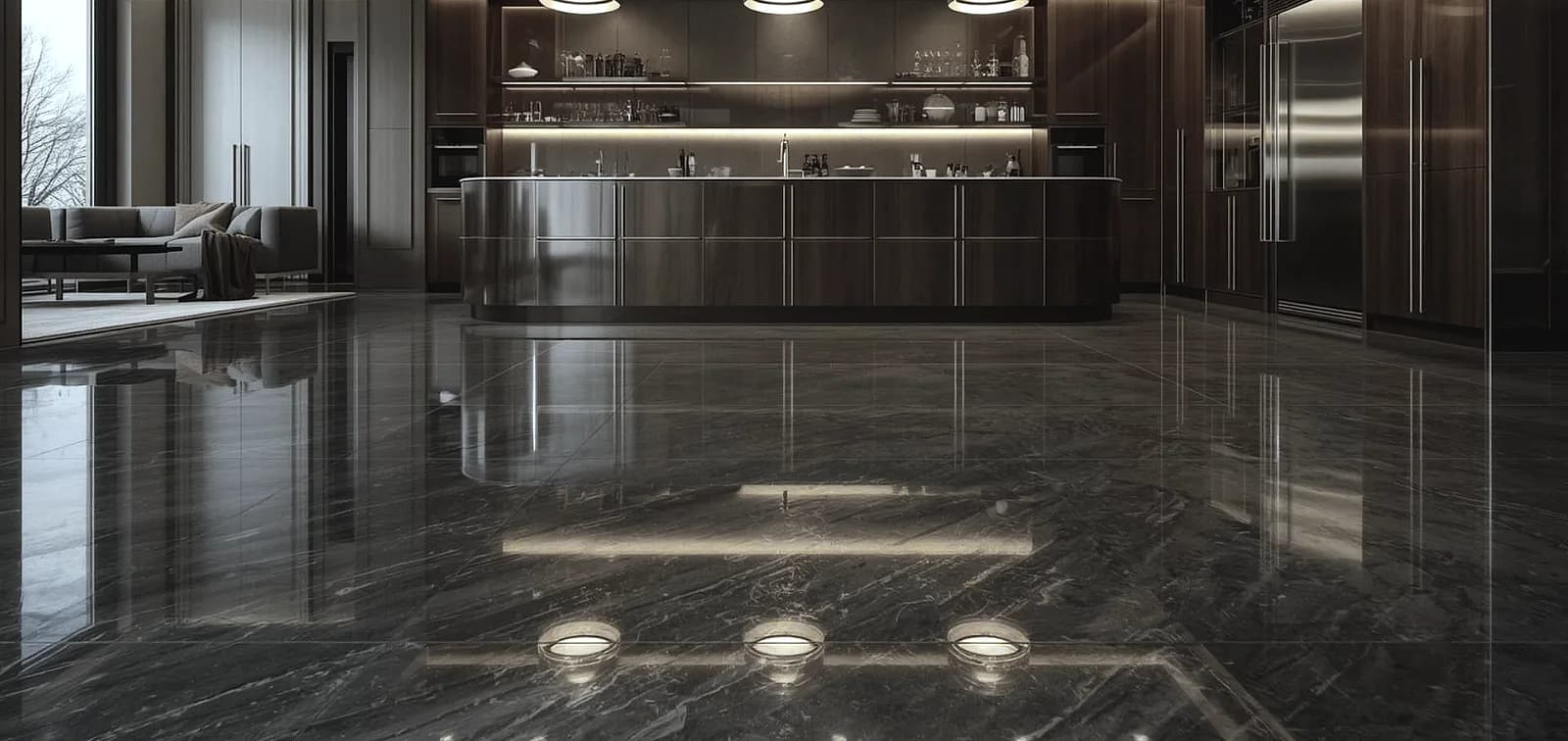
Is Epoxy Flooring Right for Your Miami Kitchen?
Residential8 min read
The average cost of residential resinous floor installation ranges from $5 to $12 per square foot in 2026.
The average cost of residential resinous floor installation ranges from $5 to $12 per square foot in 2026. If you are considering upgrading your culinary space, you may be wondering if a seamless floor coating can withstand daily spills and high foot traffic. We have the right article for you, covering the durability, maintenance requirements, and installation process of these industrial-grade surfaces.
Understanding Resinous Surface Technology
Thermosetting polymer floors are created by mixing an epoxide resin with a polyamine hardener. This chemical reaction forms a rigid plastic material that bonds tightly to a properly prepared concrete substrate. These coatings transform porous, unprotected concrete into a dense, sanitary surface. Unlike traditional materials that rely on grout lines or seams, these systems provide a continuous protective barrier across the entire room.
In residential settings, these coatings are frequently utilized to correct uneven substrates using self-leveling overlays. A self-leveling overlay is a flowable polymer mixture that seeks its own level, creating a perfectly flat canvas for the final protective layers. As David Thorne, Lead Designer at the National Kitchen & Bath Association, explains: “In high-traffic culinary spaces, homeowners are moving away from grout lines. Seamless systems provide a hygienic barrier that traditional tile simply cannot match.”
It is essential to distinguish between commercial-grade installations and hardware store paint kits. Professional-grade products are significantly thicker, typically ranging from 2 to 3 millimeters, and are highly resistant to impact. Standard paint kits merely dry on the surface and are highly susceptible to spalling (flaking or chipping) under normal residential use.
Factors That Affect Floor Performance in Culinary Spaces
Several variables influence the longevity and appearance of a seamless floor coating. Evaluating these factors beforehand ensures that your investment yields a durable, long-lasting finish.
- Moisture Vapor Transmission Rate (MVTR): Concrete acts like a dense sponge, drawing moisture from the ground below. Testing the slab to ensure the MVTR remains below 3 pounds per 1,000 square feet is vital. Excessive hydrostatic pressure causes blisters and coating failures.
- Ultraviolet Light Exposure: Kitchens frequently feature large windows that allow intense sunlight to strike the floor. Standard epoxide formulations can amber or turn yellow under direct UV light. It is advisable to utilize an aliphatic polyurethane or polyaspartic topcoat to guarantee long-term color stability.
- Thermal Shock Resistance: Boiling water spills or hot grease can cause sudden temperature changes on the floor surface. Professional-grade polymer systems are designed to expand and contract closely with the concrete, minimizing the risk of stress fractures.
- Slip Resistance: A high-gloss finish can become slippery when wet. Contractors typically broadcast an aggregate, such as aluminum oxide or fine silica sand, into the final clear coat to achieve an ADA-compliant slip resistance coefficient of 0.6 or higher.
Comparing Seamless Coatings to Traditional Kitchen Surfaces
When selecting a new floor for a demanding environment, it helps to weigh the attributes of various materials. The National Association of Home Builders reports that in 2026, 65% of kitchen remodels prioritize stain resistance and low-maintenance features above purely aesthetic considerations.
| Feature | Resinous Coatings | Ceramic Tile | Engineered Hardwood |
|---|---|---|---|
| Compressive Strength | Over 10,000 PSI | Appx. 3,000 PSI | Varies by wood species |
| Maintenance | Simple damp mopping | Requires periodic grout sealing | Requires specialized cleaners |
| Water Resistance | 100% Impermeable | Grout lines absorb moisture | Susceptible to warping |
| Average Lifespan | 15 to 20 years | 20 to 50 years | 20 to 30 years |
Steps to Install a Professional Seamless Floor
Achieving a flawless, long-lasting result requires strict adherence to technical processes. Skimping on surface preparation is the primary cause of coating failures in residential properties. Our professionals follow a rigorous, multi-step methodology to ensure permanent adhesion.
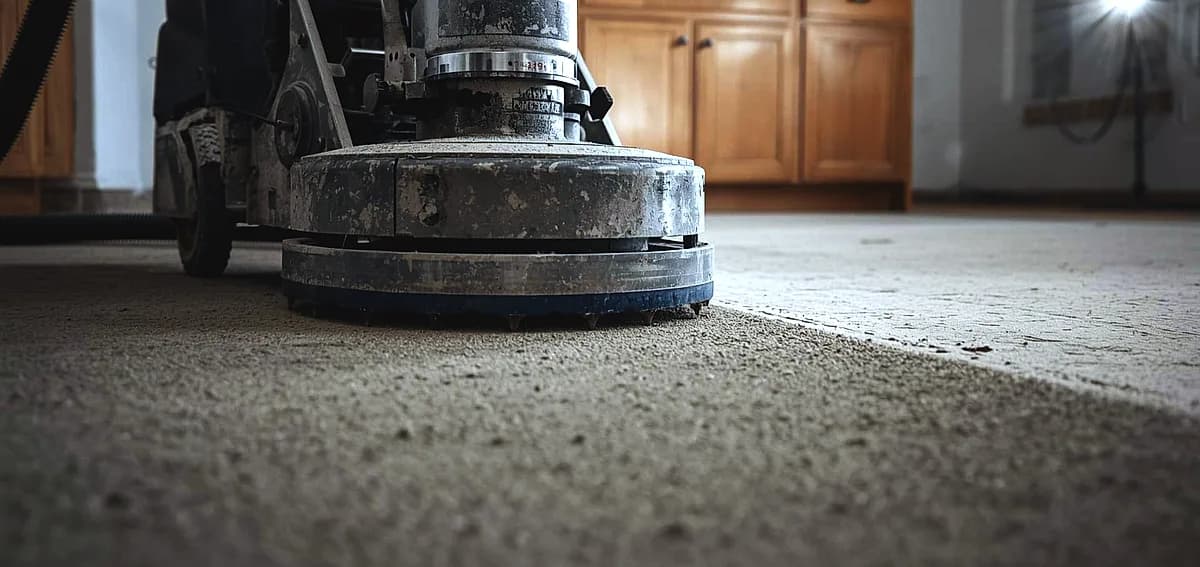
- Mechanical Surface Preparation: The existing slab must be ground using heavy-duty planetary diamond grinders. This step removes old sealers, glues, and contaminants while opening the concrete’s pores. The goal is to achieve a Concrete Surface Profile (CSP) of 2 or 3, which feels similar to medium-grit sandpaper.
- Crack and Joint Repair: All structural cracks and control joints are chased with a diamond v-blade and filled with a fast-curing polyurea joint filler. Once cured, these repairs are ground flush with the surrounding floor to prevent telegraphing (imperfections showing through the final coat).
- Moisture Mitigation and Priming: A specialized vapor-blocking primer is rolled onto the slab. This thin-viscosity layer penetrates deeply into the concrete pores, creating a tenacious root-like bond that prevents moisture from pushing the coating off the floor.
- Base Coat Application: The 100% solids colored base coat is mixed and squeegeed across the floor, then back-rolled to ensure an even thickness. Depending on the desired aesthetic, metallic pigments or decorative vinyl flakes are broadcast into this wet layer.
- Protective Topcoat: After the base layer cures for 12 to 24 hours, the surface is lightly sanded and vacuumed. A clear, UV-stable topcoat is applied to seal the system, providing superior scratch resistance and enhancing the overall depth of the finish.
As Sarah Jenkins, Director of Operations at ConstructPro, explains: “Proper surface profiling is the foundation of any successful coating system. Without achieving a Concrete Surface Profile of 2 or 3, premature delamination is almost guaranteed.”
Benefits of Resinous Kitchen Floors
Modern flooring technology offers substantial functional advantages over legacy materials. These benefits make them exceptionally well-suited for high-activity culinary spaces.
- Exceptional Durability: With a compressive strength exceeding 10,000 PSI, these floors can easily withstand dropped pots, heavy appliances, and constant foot traffic without cracking or denting.
- Complete Hygiene: Because the surface is entirely seamless and non-porous, bacteria, mold, and allergens have nowhere to hide. This is a critical advantage noted by the Environmental Protection Agency guidelines regarding indoor air quality and mold prevention.
- Low VOC Emissions: High-quality systems installed in 2026 feature Volatile Organic Compound levels below 50 grams per liter. This ensures that the air in your home remains safe during and after the curing process.
- Ease of Maintenance: You will never need to scrub darkened grout lines again. Dust mopping and occasional damp mopping with a pH-neutral cleaner are all that is required to keep the surface looking pristine.
Maintaining Your Kitchen Surface
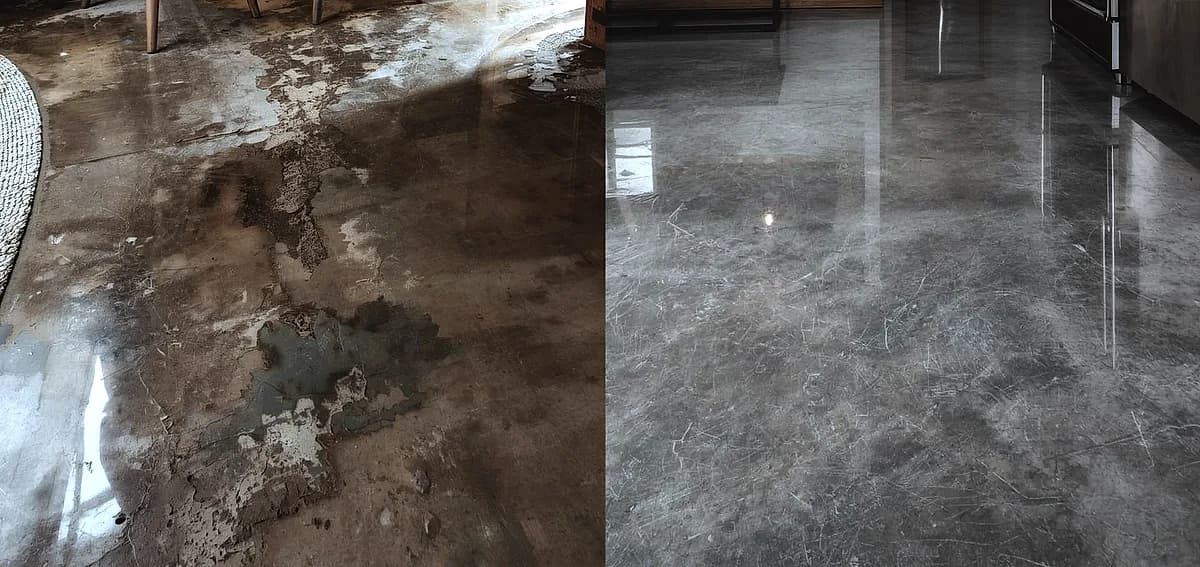
While these systems are incredibly resilient, proper care is essential to maximize their 15 to 20-year lifespan. Preventative maintenance will keep the gloss level high and prevent premature micro-scratching.
It’s advisable to place protective felt pads under heavy tables, chairs, and kitchen islands to prevent gouging when furniture is shifted. Dirt and grit act as abrasives under foot traffic. Therefore, regular sweeping or dry dust mopping is the most important maintenance task you can perform. For wet cleaning, mix a mild, neutral cleaner with warm water. Ensure that you avoid acidic solutions like vinegar or citrus cleaners, as these can gradually dull the clear topcoat over time.
According to the National Association of the Remodeling Industry, maintaining the structural integrity of your primary living surfaces can significantly enhance resale value, recovering up to 60% of the initial installation cost upon the sale of the home.
Frequently Asked Questions
Are these floors slippery when wet?
High-gloss surfaces can become slick when exposed to water or grease spills. However, it is standard practice for our installers to add an anti-slip aggregate to the final clear coat. This ensures the floor remains safe and fully compliant with residential safety standards.
How long does the installation process take?
A professional installation typically requires three to four days to complete. This timeframe allows for meticulous diamond grinding, necessary patch repairs, and the proper curing intervals required between each chemical layer.
Can you apply this coating over existing tile or wood?
It is generally not advisable to apply rigid polymer coatings over flexible substrates like wood, as the flex can cause the coating to crack. While it can theoretically be applied over well-bonded tile using a polymer-modified overlay, removing the tile and grinding the bare concrete slab yields a much more reliable, long-lasting result.
Are the chemicals safe for food environments?
Yes, once the thermosetting polymers are fully cured, the surface becomes completely inert and non-toxic. Furthermore, we utilize low-VOC formulations that meet strict environmental guidelines, ensuring your home is safe during and after the installation.
Will the surface turn yellow over time?
Older or lower-quality epoxide resins are known to amber when exposed to direct sunlight. We prevent this by applying UV-stable aliphatic polyurethane or polyaspartic topcoats, which maintain their clarity and protect the underlying colors from fading.
What happens if the concrete shifts or settles?
While the coating is extremely strong, it relies on the structural integrity of the concrete beneath it. If the underlying slab experiences severe shifting, freeze-thaw cycles, or heavy structural cracking, the coating can crack along with it. We treat all control joints carefully to minimize this risk.
Can I patch a damaged section without redoing the whole room?
Minor chips or deep scratches can be spot-repaired by professionals using specialized clear resins. However, seamlessly blending a repaired color section into an existing metallic or flaked floor can be challenging, making preventative care the best strategy.
Final Thoughts
Upgrading your culinary space with a seamless, thermosetting polymer floor is a smart investment in both aesthetics and durability. By providing a non-porous, highly cleanable surface, these coatings eliminate the hassle of stained grout and warped planks. When installed by experienced technicians using mechanical surface preparation and moisture-mitigating primers, your new floor will easily withstand decades of heavy use. If you are ready to explore the vast array of colors and textures available, get in touch with our team to discuss your specific project needs.
References
Written by

Founder and CEO
Chris Lavin is an esteemed leader in concrete polishing and epoxy coatings with a distinguished 20-year career. As founder and CEO of National Concrete Polishing and owner of Xtreme Polishing Systems, he's renowned for polishing and epoxy coating more floors than anyone globally. Chris is recognized for his innovative approach and commitment to enhancing floor durability and aesthetics. His hands-on experience and technical proficiency make him a respected authority and a valuable resource in the field of floor polishing and coatings.
Same topic
Related articles
All stories
Residential8 min read
What Restaurants Need to Pass a Health Inspection Floor Check
It endures heavy foot traffic, dropped equipment, boiling water spills, and harsh degreasing chemicals daily.
Read it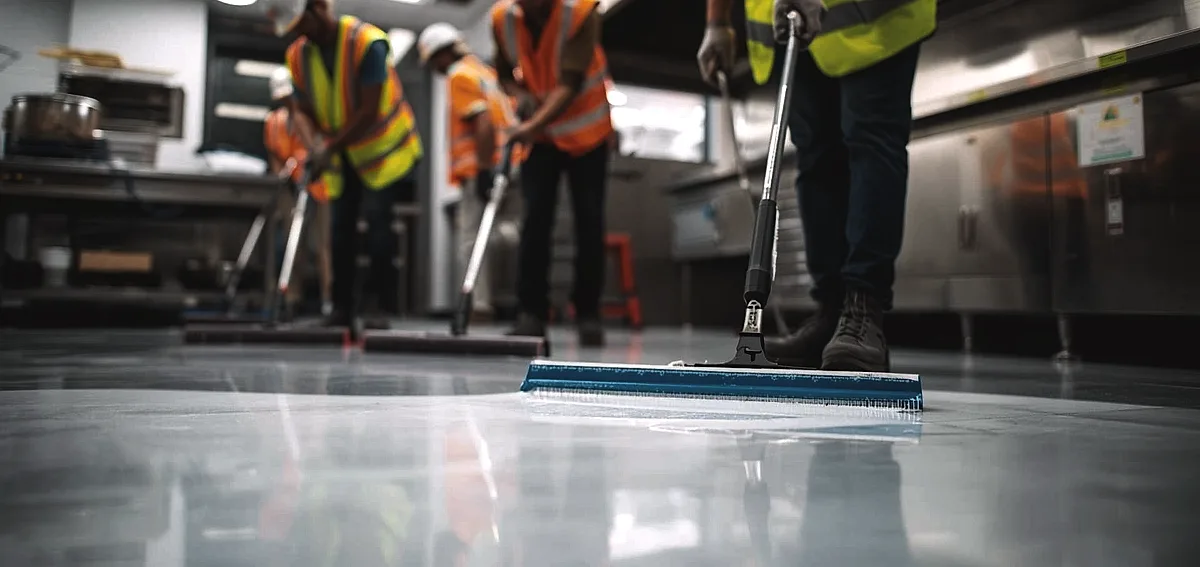
Residential9 min read
How Restaurants Replace Their Floors Without Closing for Long
The average food service establishment loses approximately $3,500 in daily revenue during unexpected closures in 2026.
Read it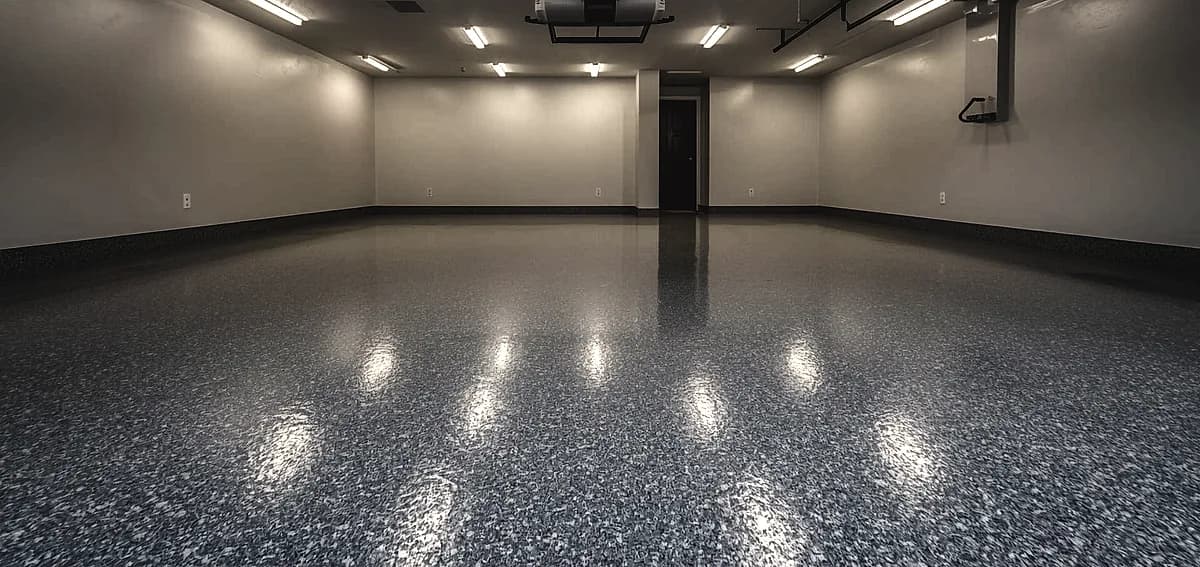
Residential8 min read
Where Polished Concrete Beats Epoxy in a Home (and Where It Doesn’t)
Before evaluating specific rooms, it is essential to understand how these two flooring systems function.
Read it
Tell us about the floor
Tell us the space and roughly how big it is.We come back with what it would cost and when we could start.
Prefer to talk? Call +1 844-876-5474
- Leads@
nationalconcretepolishing.net - 2200 NW 32nd St #600,
Pompano Beach, FL 33069 Mon to Fri, 9:00 to 5:30