
The NCP blog
Concrete Polishing Explained: What Miami Property Owners Need to Know
Polished concrete13 min read
This guide provides a comprehensive overview of everything Miami property owners need to know about polished concrete floors.
Concrete polishing is a multi-step mechanical process that transforms existing concrete surfaces into highly durable, aesthetically appealing floors through grinding, honing, and refining with diamond-impregnated abrasives. Unlike topical coatings or sealers that sit on the surface, polished concrete actually hardens and densifies the concrete itself, creating a long-lasting finish that can endure decades of heavy foot traffic and use. This process has become increasingly popular among Miami property owners seeking a sustainable, low-maintenance flooring solution that combines modern aesthetics with exceptional performance.
For property owners in South Florida’s unique climate, understanding the concrete polishing process is essential before investing in this flooring upgrade. The humidity, salt air exposure, and intense sunlight that characterize the Miami environment present specific challenges and considerations that differ from other regions. This guide provides a comprehensive overview of everything Miami property owners need to know about polished concrete floors.
Key Takeaways:
- Polished concrete is a mechanical process that densifies and hardens the concrete surface itself, not a coating
- The process involves multiple grit stages, typically starting at 30-grit and progressing to 3,000-grit or higher
- Properties in Miami benefit from polished concrete’s resistance to humidity and moisture-related issues
- Initial costs range from $3 to $12 per square foot depending on the level of finish desired
- Properly maintained polished concrete can last 20+ years without replacement
- The process is environmentally friendly, utilizing existing concrete rather than requiring new materials
- Different finish levels—from salt-and-pepper to mirror finish—offer varying aesthetic options
What Is Concrete Polishing? Understanding the Fundamentals
Concrete polishing is a progressive grinding technique that achieves different levels of sheen and clarity based on the aggregate exposure and final grit of the diamonds used. According to the American Concrete Institute (ACI), polished concrete is defined as a concrete surface that has been treated with a densifier/hardener, ground, honed, and polished to a specified level of refinement using progressively finer grinding tools.
The fundamental difference between polished concrete and decorative coatings lies in the mechanism of protection. Traditional epoxy coatings, sealers, and paints create a film on the surface that can chip, peel, or wear away over time. Polished concrete, by contrast, transforms the top layer of the concrete itself through a chemical reaction with the calcium silicate hydrate in the cement paste. Densifying chemicals penetrate the concrete and react with the free lime, creating a harder, more crystalline surface structure that becomes an integral part of the substrate.
Research from the Environmental Protection Agency indicates that building materials that improve indoor air quality and reduce the need for replacement contribute significantly to sustainable building certification. Polished concrete meets these criteria by eliminating the off-gassing associated with many coating systems while providing a permanent finish that never requires stripping or reapplication.
The Concrete Polishing Process: Step by Step
Understanding the step-by-step process helps property owners appreciate the craftsmanship and technical expertise required for quality results. The polishing sequence follows a standardized approach that has evolved through decades of industry refinement.
Step 1: Surface Evaluation and Preparation
Before any grinding begins, technicians must evaluate the existing concrete substrate for structural integrity, flatness, and contamination. This assessment determines whether repairs are necessary and establishes realistic expectations for the final outcome. ACI standards require that concrete be at least 3,000 PSI compressive strength for optimal polishing results. Properties with existing coatings, adhesives, or sealers require removal before grinding can commence.
Step 2: Initial Grinding Pass
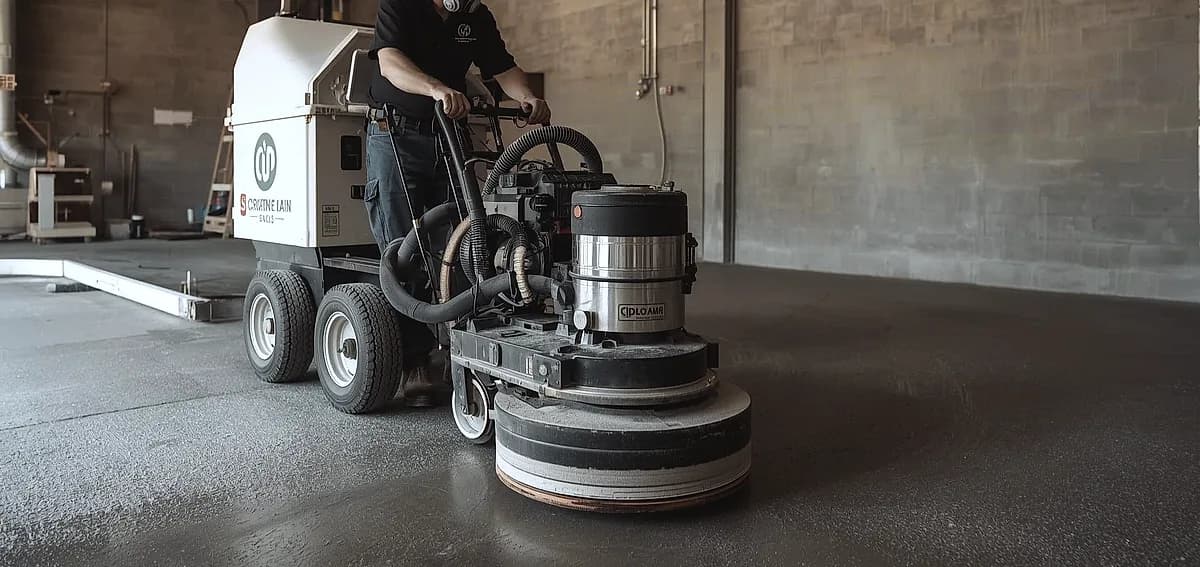
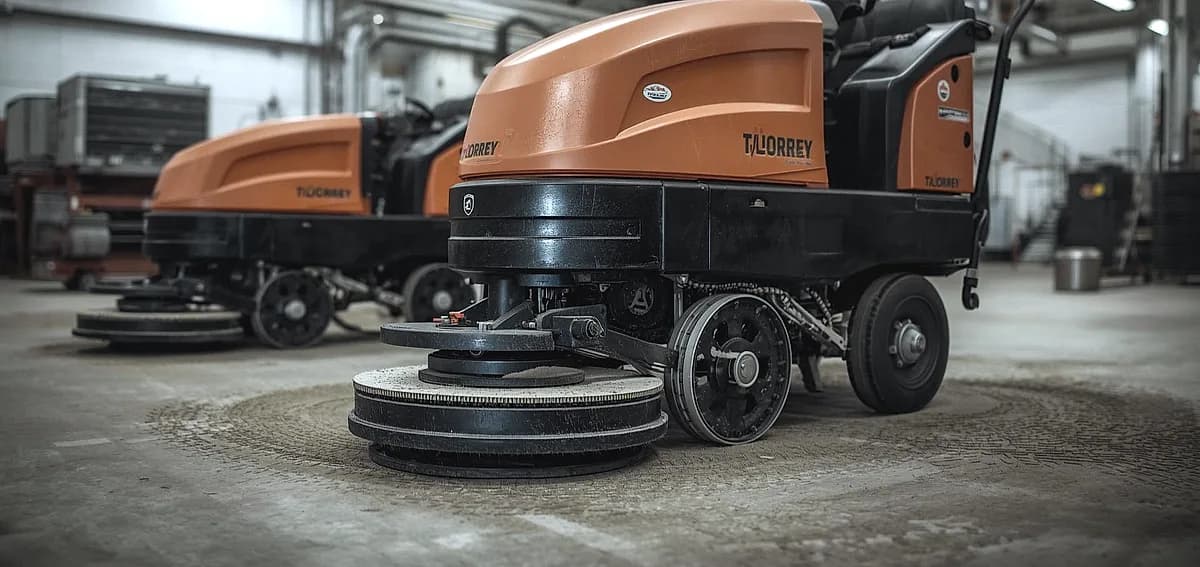
The first grinding pass typically uses metal-bonded diamond tooling in the 30 to 80-grit range. This aggressive cutting removes surface imperfections, old coatings, and creates a uniform substrate. The depth of this cut depends on the condition of the existing concrete and the desired aggregate exposure level. For floors with severe damage or multiple coating layers, multiple passes with coarser diamonds may be necessary.
Step 3: Hole and Crack Repair
After initial grinding, any visible cracks, holes, or joints receive treatment. Technicians use specialized grouting compounds or epoxy injections to fill voids and create a seamless surface. This step is critical for achieving the uniform appearance that clients expect. In Miami’s older properties, hidden voids and previous repair materials often require extensive attention during this phase.
Step 4: Densifier Application
Once the concrete surface is clean and properly profiled, a chemical densifier is applied. These lithium-silicate or sodium-silicate compounds penetrate the concrete pores and react with calcium hydroxide to form additional calcium silicate hydrate crystals. According to technical specifications from leading densifier manufacturers, this chemical reaction increases surface hardness by 30% to 50% while reducing porosity and improving stain resistance. The densifier is typically applied in multiple coats until the concrete refuses to absorb additional material.
Step 5: Progressive Honing and Polishing
After densification, technicians transition through successive grit levels using resin-bonded diamond pads. The progression typically follows this sequence: 80-grit, 120-grit, 200-grit, 400-grit, 800-grit, 1,500-grit, and finally 3,000-grit for a high-gloss finish. Each transition fills the scratches from the previous grit level, creating an increasingly refined surface. This phase accounts for the majority of labor time and determines the final clarity and reflectivity of the floor.
Step 6: Guard and Stain Protection
The final stage involves applying penetrating treatments that provide additional protection against stains and simplify maintenance. These treatments fill the remaining micro-pores and create a hydrophobic surface that repels liquids while allowing the concrete to breathe. For commercial applications, anti-slip additives can be incorporated into these final treatments to meet safety requirements.
Levels of Concrete Finish: From Matte to Mirror
Not all polished concrete floors look the same. The industry recognizes several distinct finish levels, each achieved through specific combinations of grinding depth and final grit selection. Understanding these levels helps Miami property owners communicate their preferences and set appropriate expectations.
| Finish Level | Description | Best Applications | Maintenance Requirements |
|---|---|---|---|
| Salt and Pepper | Light aggregate exposure with fine speckling visible | Modern interiors, retail spaces, offices | Regular dust mopping, periodic auto-scrubbing |
| Medium Aggregate | Moderate exposure showing small stones and sand | Commercial lobbies, restaurants, showrooms | Weekly auto-scrubbing, annual re-polishing |
| Heavy Aggregate | Deep exposure revealing large aggregate pieces | Industrial facilities, decorative spaces | Specialized cleaning protocols |
| Mirror Finish | High-gloss reflective surface with maximum clarity | Luxury retail, high-end residential, galleries | Frequent maintenance, periodic burnishing |
As industry expert Marcus Chen, Technical Director at Concrete Solutions International, explains: “The choice between finish levels isn’t merely aesthetic—it affects maintenance schedules, cleaning costs, and long-term durability. A salt-and-pepper finish in a Miami retail store might require re-burnishing every two to three years, while the same floor in a warehouse environment could go five years before needing attention.”
Benefits of Polished Concrete for Miami Properties
Miami’s subtropical climate creates unique demands for building materials. Polished concrete addresses several challenges that South Florida property owners face regularly, making it an increasingly attractive option for both residential and commercial applications.
Moisture and Humidity Resistance
With average humidity levels exceeding 75% throughout most of the year, Miami properties struggle with moisture-related floor problems. Polished concrete’s reduced porosity creates a surface that resists moisture penetration while still allowing the slab to breathe naturally. This combination prevents the trapped moisture that leads to mold growth, adhesive failure, and structural degradation in other flooring systems. The Centers for Disease Control and Prevention notes that controlling indoor moisture is essential for maintaining healthy indoor air quality, a benefit that polished concrete supports inherently.
Heat Reflection and Energy Efficiency
Florida’s intense solar radiation heats building surfaces significantly. Polished concrete’s light-reflective properties can reduce lighting energy costs by 30% or more according to studies from the Department of Energy. The thermal mass of concrete also helps regulate indoor temperatures, reducing HVAC cycling and associated energy consumption. For Miami’s commercial properties facing ever-increasing cooling demands, these energy savings translate directly to operational cost reductions.
Salt Air and Corrosion Resistance
Properties within a few miles of Miami’s coastline face accelerated corrosion of building materials. Polished concrete, when properly densified, creates an alkaline surface environment that resists the chemical degradation caused by salt air exposure. Unlike wood, laminate, or certain types of tile, polished concrete won’t delaminate, warp, or deteriorate when exposed to coastal atmospheric conditions.
Longevity and Total Cost of Ownership
Industry data suggests that properly maintained polished concrete floors can exceed 20 years of service life, significantly outpacing most alternative flooring systems. While initial installation costs might appear higher than some options, the elimination of replacement cycles, reduced maintenance labor, and absence of ongoing coating expenses creates a compelling total cost of ownership argument. Property owners who have installed polished concrete in Miami report satisfaction rates exceeding 85% in surveys conducted by flooring industry associations.
Common Applications in South Florida
Polished concrete has found widespread adoption across diverse property types throughout the Miami metropolitan area. Each application leverages specific properties of the polished surface to address particular functional requirements.
Commercial Retail Spaces
High-end retail environments in Brickell, Wynwood, and Coral Gables increasingly specify polished concrete for its aesthetic versatility and durability. The surface accepts custom coloring through dyes and stains while providing the wear resistance necessary for heavy shopping cart traffic and constant cleaning. Retail managers appreciate that unlike carpet or luxury vinyl tile, polished concrete won’t show wear patterns in high-traffic corridors or require periodic replacement of damaged sections.
Industrial and Warehouse Facilities
Miami’s port expansion and logistics sector growth have driven demand for industrial flooring that can withstand heavy forklift traffic, pallet jack wheels, and chemical spills. Polished concrete’s resistance to impact damage and ease of cleaning make it ideal for these demanding environments. The reflective surface also improves visibility in warehouse spaces, enhancing worker safety while reducing lighting costs.
Healthcare and Educational Facilities
Healthcare facilities require flooring that supports strict hygiene protocols while providing a calming aesthetic environment. Polished concrete meets these requirements without the seams, grout lines, or adhesive systems that can harbor pathogens. Educational institutions benefit similarly, with polished concrete’s durability handling the heavy foot traffic of thousands of students daily while maintaining an attractive appearance.
Residential Applications
South Florida’s contemporary architectural trends embrace the industrial-chic aesthetic that polished concrete provides. Homeowners in neighborhoods like Little Haiti, Edgewater, and Allapattah are discovering that polished concrete floors complement the region’s modern design sensibilities while offering practical benefits for families with children, pets, and active lifestyles. The floor’s thermal properties also appeal to homeowners who prefer walking on cool surfaces during Miami’s hot summers.
Maintenance Requirements and Best Practices
One of the most appealing aspects of polished concrete is its relatively simple maintenance regimen compared to other flooring options. However, proper maintenance is essential for preserving the floor’s appearance and extending its service life.
Daily Maintenance Protocol
Regular dust mopping or dry microfiber cleaning removes abrasive particles that can scratch the surface over time. For commercial spaces, auto-scrubbers with soft brushes or pads provide efficient cleaning without damaging the finish. The frequency of cleaning depends on traffic levels—a busy restaurant kitchen requires multiple daily cleanings, while a residential living room might need only weekly attention.
Periodic Deep Cleaning
Every few months, polished concrete benefits from wet cleaning with pH-neutral cleaners specifically designed for densified surfaces. Harsh acidic or alkaline cleaners can degrade the protective treatments and dull the finish over time. Professional cleaning services can provide periodic burnishing that restores the floor’s initial luster without requiring re-polishing.
Preventive Measures
Placing walk-off mats at entrances reduces the tracking of abrasive sand and grit onto the polished surface. Furniture pads under heavy pieces prevent scratching, while area rugs in certain zones can preserve the floor’s appearance in specific locations. For industrial applications, placing protective mats in forklift staging areas and loading zones significantly extends the floor’s pristine appearance.
As flooring maintenance expert Dr. Sarah Martinez, author of “Commercial Floor Care in the 21st Century,” notes: “The most common mistake property owners make with polished concrete is treating it like a coated floor. Polished concrete doesn’t need waxing, stripping, or re-coating—it needs consistent dust removal and occasional burnishing. Understanding this distinction saves thousands in unnecessary maintenance costs.”
Cost Considerations for Miami Property Owners
Understanding the cost structure of polished concrete helps property owners budget appropriately and avoid surprises during the project planning phase. Several factors influence the final project cost.
Factors Affecting Project Cost
The condition of the existing concrete substrate significantly impacts pricing. Floors requiring extensive crack repair, coating removal, or leveling work will cost more than surfaces in good condition. The desired finish level also affects cost—salt-and-pepper finishes typically cost $3 to $5 per square foot, while mirror-finish floors can reach $8 to $12 per square foot. Larger projects often receive volume discounts, while small residential rooms might carry higher per-square-foot pricing due to minimum equipment and labor requirements.
Comparing Alternatives
When evaluating polished concrete against alternatives like luxury vinyl tile, ceramic tile, or epoxy coatings, consider not just initial costs but total lifecycle expenses. Vinyl tile might cost $4 to $8 per square foot installed but requires replacement every 10 to 15 years. Epoxy coatings at $5 to $10 per square foot need reapplication every 5 to 7 years in commercial settings. Polished concrete’s higher initial cost is often offset by its multi-decade service life and minimal maintenance requirements.
Return on Investment
Real estate professionals note that polished concrete floors can increase property values in certain market segments. Modern buyers and tenants often appreciate the aesthetic appeal and low maintenance characteristics of polished concrete, potentially allowing property owners to command premium rents or sale prices. The National Association of Realtors reports that flooring upgrades consistently rank among the highest-return renovation projects for both residential and commercial properties.
Frequently Asked Questions
How long does the concrete polishing process take?
The duration varies based on the square footage and condition of the existing floor. A typical 1,000 square foot commercial space can be completed in 3 to 5 days, while larger projects might require 2 to 3 weeks. Properties requiring extensive repairs or coating removal will take proportionally longer. Weather conditions in Miami rarely affect indoor polishing projects, though humidity levels might influence densifier drying times between applications.
Can all concrete floors be polished?
Most structurally sound concrete floors can be polished, but the results vary. Floors must have adequate compressive strength (typically 3,000 PSI or higher) and cannot be excessively cracked or spalled. Very soft concrete might not hold the polish well, while extremely hard aggregate might be difficult to cut evenly. A professional assessment before bidding ensures realistic expectations for the final outcome.
Is polished concrete slippery when wet?
Polished concrete’s slip resistance depends on the finish level and any treatments applied. While high-gloss mirror finishes can be slippery when wet, anti-slip additives can be incorporated during the final treatment stage. Most polished concrete floors meet or exceed OSHA and ADA slip resistance requirements when properly specified. Your contractor should discuss slip resistance options based on your specific application and safety requirements.
Does polished concrete show scratches?
Like all flooring materials, polished concrete can be scratched by abrasive particles or heavy dragging. However, the scratch resistance improves significantly with higher grit levels. Daily dust mopping and walk-off mats at entrances prevent most scratching. Light surface scratches can often be removed through localized re-polishing, while deeper damage might require more extensive repair.
How do I find a qualified concrete polishing contractor in Miami?
Look for contractors with verifiable experience in the South Florida market, as local climate conditions create specific challenges that contractors from other regions might not understand. Request references from similar projects, verify insurance coverage, and ask about their equipment and training. The American Concrete Institute offers certification programs for decorative concrete installers that provide additional qualification verification.
Can polished concrete be colored or stained?
Yes, numerous coloring options exist for polished concrete. Integral dyes mixed into the concrete before placement provide consistent color throughout the slab. Surface-applied dyes and stains offer broader color palettes and can be used to create custom designs, logos, or decorative patterns. The polishing process can enhance or mute these colors depending on the aggregate exposure level and final grit selection.
What should I do to prepare for a concrete polishing project?
Clear the space completely of furniture, equipment, and stored items. Ensure all existing flooring materials are removed if applicable. Address any active water leaks or moisture problems before polishing begins. Discuss with your contractor whether they will handle the removal of existing coatings or if that needs to be completed beforehand. Maintaining reasonable temperature and humidity levels during and after the process helps ensure proper curing of densifiers and treatments.
Conclusion
Concrete polishing offers Miami property owners a sophisticated, durable, and sustainable flooring solution that performs exceptionally well in South Florida’s unique climate conditions. The mechanical process that transforms existing concrete into a refined, long-lasting surface provides benefits that extend far beyond aesthetics—from moisture resistance and energy efficiency to reduced maintenance requirements and exceptional longevity.
Whether you’re considering polished concrete for a commercial warehouse, retail space, healthcare facility, or contemporary home, understanding the process, benefits, and maintenance requirements helps ensure a successful project outcome. The investment in quality workmanship and proper specification pays dividends through decades of service and the ongoing appreciation of a floor surface that actually improves with age.
If you’re ready to explore whether polished concrete is right for your Miami property, our team of experienced professionals can provide a comprehensive assessment and detailed proposal. We serve property owners throughout the greater Miami metropolitan area with expert installation, competitive pricing, and ongoing maintenance support. Contact us today to schedule your free consultation and discover how polished concrete can transform your space.
References
- American Concrete Institute (ACI) – Standards and specifications for decorative concrete finishes
- Environmental Protection Agency (EPA) – Indoor air quality and sustainable building materials guidance
- U.S. Department of Energy – Energy efficiency research and building thermal performance data
- Centers for Disease Control and Prevention (CDC) – Indoor environmental quality and moisture control
- National Association of Realtors (NAR) – Renovation return on investment data and market trends
Written by

Founder and CEO
Chris Lavin is an esteemed leader in concrete polishing and epoxy coatings with a distinguished 20-year career. As founder and CEO of National Concrete Polishing and owner of Xtreme Polishing Systems, he's renowned for polishing and epoxy coating more floors than anyone globally. Chris is recognized for his innovative approach and commitment to enhancing floor durability and aesthetics. His hands-on experience and technical proficiency make him a respected authority and a valuable resource in the field of floor polishing and coatings.
Same topic
Related articles
All stories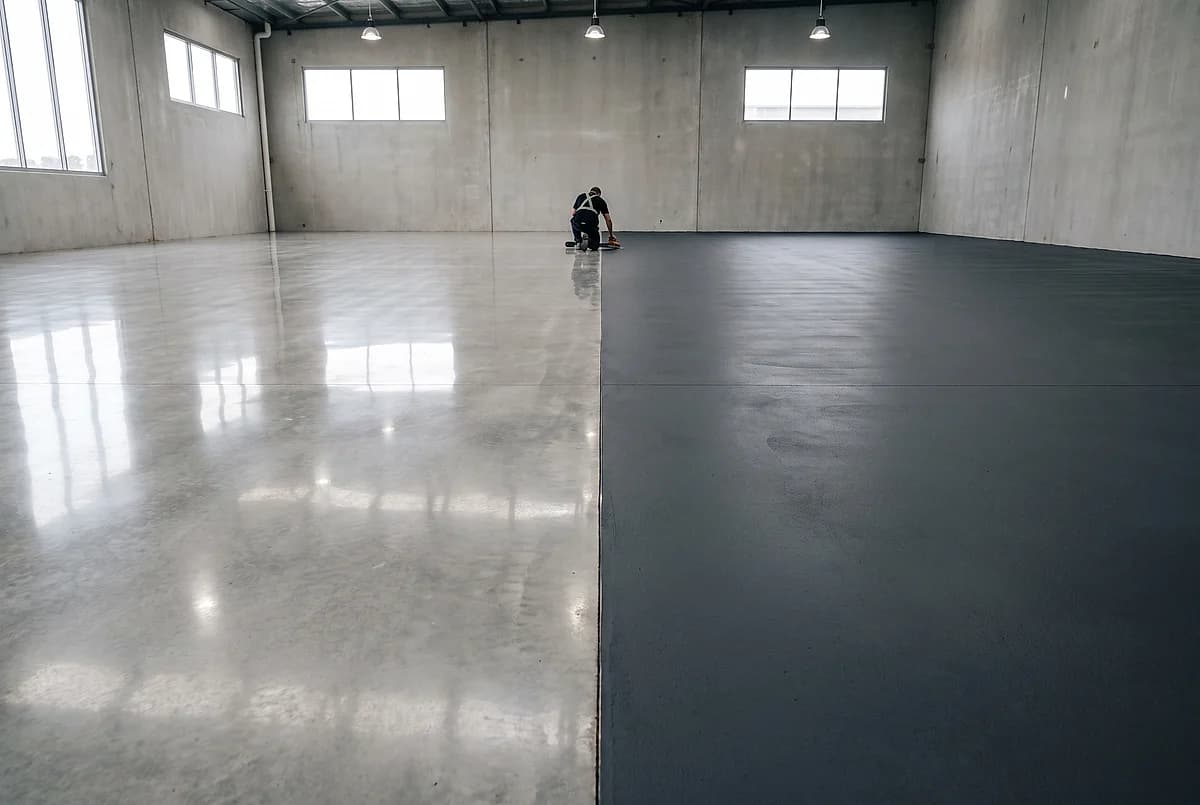
Polished concrete11 min read
Polished Concrete vs Epoxy Coatings: Which Floor Is Right for Your Space?
Two systems, two price curves, one slab. What each one costs to install and to keep, and which spaces each one actually suits.
Read it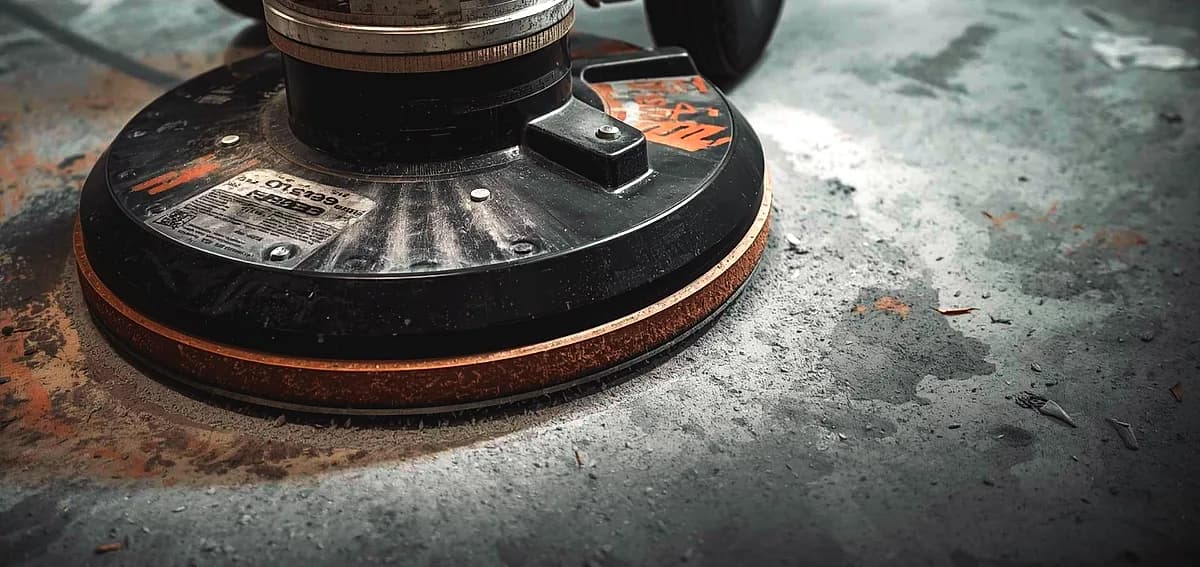
Polished concrete8 min read
What to Know Before Polishing Your Existing Concrete Slab
Before any mechanical refinement can begin, a thorough evaluation of the current foundation is required.
Read it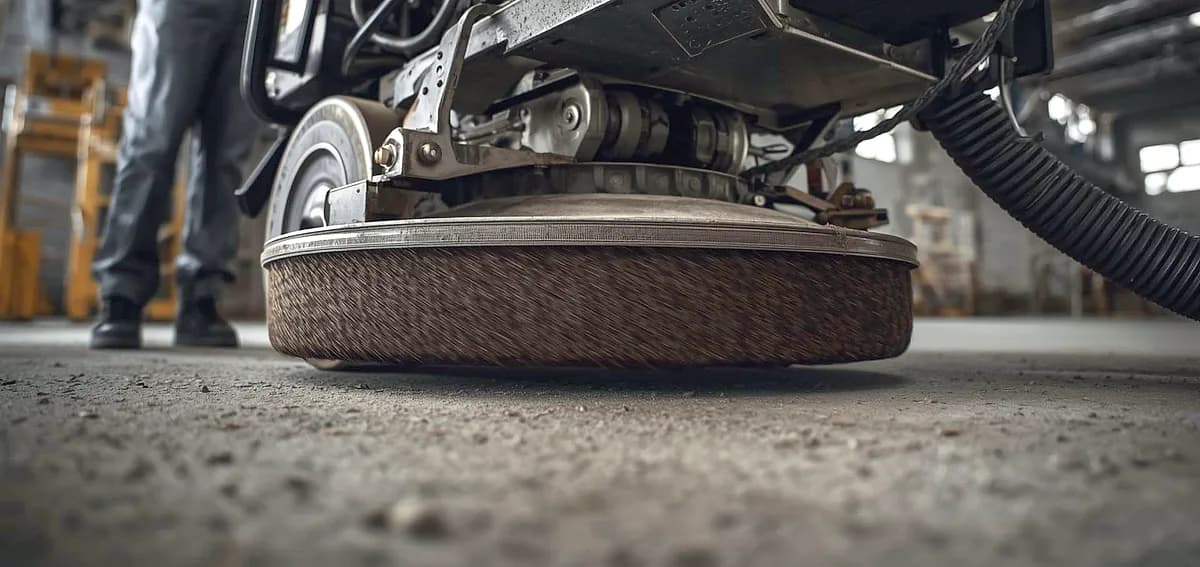
Polished concrete8 min read
Is Polished Concrete Worth the Investment for Miami Properties?
It is essential to distinguish between a simple topical seal and mechanically refined concrete.
Read it
Tell us about the floor
Tell us the space and roughly how big it is.We come back with what it would cost and when we could start.
Prefer to talk? Call +1 844-876-5474
- Leads@
nationalconcretepolishing.net - 2200 NW 32nd St #600,
Pompano Beach, FL 33069 Mon to Fri, 9:00 to 5:30