
The NCP blog
How Concrete Densifiers Improve Polishing Results in Miami
Polished concrete12 min read
The hardened surface allows polishers to achieve higher grit finishes without soft spots or inconsistent aggregate exposure.
Concrete densifiers are chemical treatments that penetrate the surface of cured concrete and react with calcium hydroxide to form harder, denser silica-rich compounds beneath the surface. When applied correctly before polishing, densifiers create an ideal substrate that responds exceptionally well to grinding and finishing, resulting in floors that achieve higher gloss levels, improved durability, and more consistent aggregate exposure. In Miami’s humid, coastal environment, where concrete is subjected to salt air, moisture intrusion, and thermal cycling, proper densifier application becomes especially critical for achieving long-lasting, visually stunning polished concrete surfaces.
What Are Concrete Densifiers and How Do They Work?
Concrete densifiers, also known as concrete hardeners or silicate-based treatments, are penetrating chemical compounds designed to reduce surface porosity and increase hardness in cured concrete. The most common formulations include sodium silicate, potassium silicate, and lithium silicate, each offering distinct advantages depending on the application environment and desired outcomes. These compounds work through a chemical reaction process called pozzolanic reaction, where the silicate molecules bond with free calcium hydroxide (lime) present in the concrete matrix to form calcium silicate hydrate (C-S-H) crystals.
The C-S-H formation fills the microscopic pores and capillaries within the concrete surface, creating a substantially harder and more dense substrate. According to the American Concrete Institute, this chemical transformation increases surface hardness by 30-50% compared to untreated concrete, while simultaneously reducing liquid absorption by 40-60%. This densification process occurs gradually over 7-14 days following application, with maximum hardness typically achieved within 30 days.
For polishing applications specifically, densified concrete responds more uniformly to grinding and diamond abrasive treatment. The hardened surface allows polishers to achieve higher grit finishes without soft spots or inconsistent aggregate exposure. Research from the National Ready Mixed Concrete Association indicates that properly densified concrete requires 20-35% less grinding passes to achieve equivalent finish quality, translating to significant time and cost savings on larger projects.
Why Miami’s Climate Demands Special Attention to Densification
Miami presents unique challenges for concrete floor installations that make proper densification particularly valuable. The subtropical climate exposes concrete to persistent humidity levels averaging 75-85% year-round, combined with temperatures that rarely drop below 60°F even in winter months. This warm, moist environment accelerates moisture-related deterioration mechanisms that untreated concrete cannot withstand effectively over time.
Coastal proximity compounds these challenges significantly. Properties within 5 miles of the Atlantic coastline experience salt-laden air that promotes corrosion of concrete reinforcement and surface degradation. The Environmental Protection Agency documents how salt intrusion accelerates carbonation and chloride penetration in concrete structures. Densified surfaces resist these penetration pathways more effectively, providing a protective barrier that extends the functional lifespan of polished concrete floors.
Thermal cycling also affects Miami concrete more than many property owners realize. While freeze-thaw damage is not a concern, daily temperature fluctuations between daytime highs of 85-95°F and evening lows create expansion and contraction cycles that stress concrete surfaces. Densified concrete demonstrates superior resistance to this thermal fatigue, maintaining surface integrity and appearance over years of exposure.
Humidity Considerations During Application
High ambient humidity affects densifier application timing and technique. Unlike dry climates where single applications may suffice, Miami projects often benefit from multiple thin applications rather than single heavy coats. This approach prevents surface crusting that can trap unreacted material and create uneven hardening. Professional applicators in South Florida typically apply densifiers in two to three successive coats, allowing each to penetrate fully before the next application.
Surface moisture content also influences penetration depth and reaction efficiency. Concrete moisture levels between 3-5% by weight represent the optimal window for densifier application. Excessively dry surfaces may absorb too quickly without adequate reaction time, while overly saturated concrete prevents proper chemical penetration. Experienced Miami contractors use moisture meters to verify conditions before application, ensuring maximum effectiveness regardless of ambient conditions.
The Polishing Process: How Densifiers Transform Results
Polishing concrete involves progressively finer grinding stages using diamond-impregnated abrasive tools, followed by chemical treatment and burnishing to achieve the desired finish level. Densifiers integrate into this process at a critical intermediate stage, after initial grinding but before final polishing passes. This sequencing allows the densifier to penetrate freshly exposed concrete pores created by coarse grinding, maximizing penetration depth and reaction surface area.
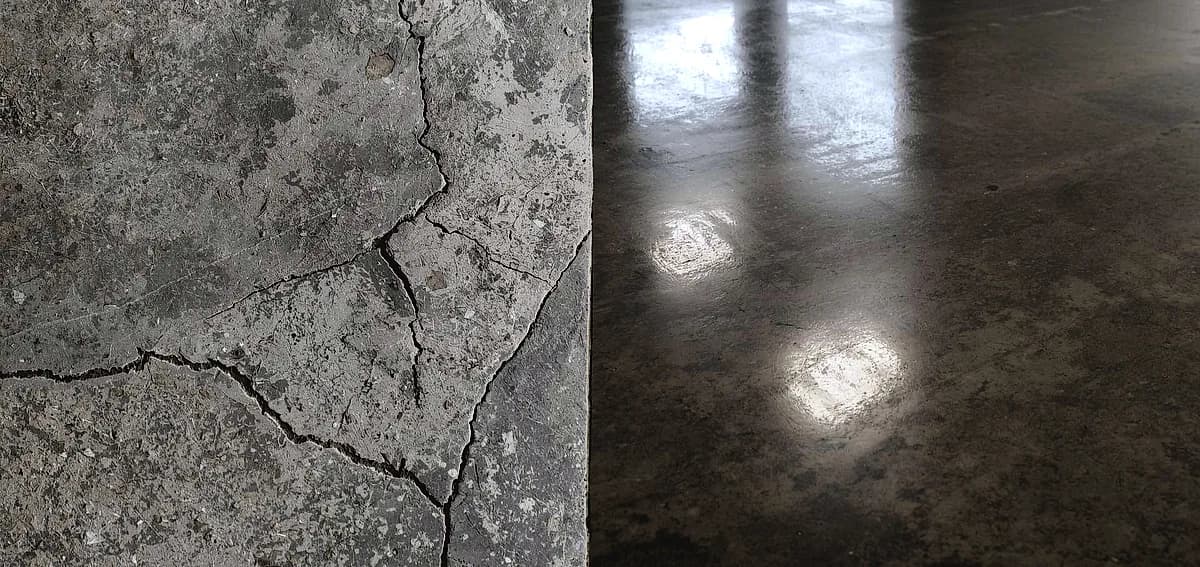
The grinding sequence typically begins with metal-bonded diamonds in 16-30 grit sizes to remove surface imperfections and level existing substrates. After this initial grinding, densifier application occurs while the concrete surface remains open and receptive. The densifier then undergoes its 7-14 day reaction period, during which time subsequent polishing stages can proceed without waiting for full cure.
Once densification reaches adequate hardness levels, typically assessed through scratch testing or standardized hardness measurements, polishing progresses through resin-bonded diamond stages from 80 grit through 800 grit or higher. The hardened surface responds more consistently to these finer abrasives, producing a more uniform sheen without the soft spots and gouging that commonly plague untreated concrete. As our detailed guide to concrete polishing finishes explains, the final appearance depends heavily on aggregate exposure levels and the transition between grinding stages.
Gloss Level Achievement and Retention
Densified concrete achieves higher final gloss levels than untreated surfaces for equivalent polishing effort. The denser surface reflects light more uniformly, eliminating the cloudy or inconsistent appearance that develops when soft areas within untreated concrete scatter light unevenly. Industry testing demonstrates that densified surfaces polished to 800-grit finish typically achieve 60-70% gloss readings, compared to 40-50% for untreated concrete at identical grit levels.
More importantly, densified surfaces maintain their gloss over extended service periods. High-traffic areas in commercial facilities show significantly less dulling over time when the underlying concrete has been properly densified. This retention effect proves especially valuable in Miami’s retail, hospitality, and food service sectors, where floor appearance directly impacts customer perception and brand image. Property managers report that densified and polished floors require less frequent re-polishing or burnishing maintenance to maintain acceptable appearance levels.
Types of Concrete Densifiers: Selecting the Right Product
Three primary densifier categories dominate the market, each with distinct characteristics that suit different applications. Sodium silicate formulations represent the most economical option, providing reliable hardening at accessible price points. These products penetrate adequately in most conditions but may require multiple applications to achieve optimal results. Potassium silicate variants offer faster reaction times and slightly deeper penetration, making them popular for time-sensitive projects where extended cure periods present logistical challenges.
Lithium silicate densifiers have emerged as the preferred choice for premium applications, combining excellent penetration characteristics with superior chemical resistance. Lithium-based products resist efflorescence better than sodium or potassium alternatives, an important consideration for Miami’s humid environment where moisture-related discoloration concerns frequently arise. The Occupational Safety and Health Administration notes that lithium formulations also present lower alkalinity concerns during application, improving worker safety profiles.
| Densifier Type | Penetration Depth | Reaction Time | Best Application | Cost Range |
|---|---|---|---|---|
| Sodium Silicate | 3-6mm | 10-14 days | Budget projects, low-traffic areas | $0.15-0.30/sq ft |
| Potassium Silicate | 5-8mm | 7-10 days | Standard commercial applications | $0.25-0.50/sq ft |
| Lithium Silicate | 6-10mm | 5-7 days | Premium finishes, coastal exposure | $0.40-0.75/sq ft |
| Colloidal Silica | 8-12mm | 14-21 days | Deep penetration, heavy traffic | $0.50-1.00/sq ft |
Colloidal silica represents a newer category gaining traction in high-performance applications. These products contain nano-sized silica particles that penetrate more deeply than traditional silicate formulations, reaching 8-12mm compared to 3-10mm for conventional densifiers. This deeper penetration creates more uniform hardening throughout the concrete’s surface zone, reducing the risk of surface-only hardening that can mask underlying weakness.
Application Process: Step-by-Step Best Practices
Successful densifier application requires careful attention to surface preparation, environmental conditions, and application technique. The process begins with thorough concrete surface evaluation to assess existing conditions, previous treatments, and contamination levels. Any existing sealers, curing compounds, or contamination must be removed before densifier application, as these materials prevent proper penetration and reaction.
Surface temperature should measure between 50-90°F for optimal application, with concrete temperature taking precedence over ambient readings since surface conditions can differ significantly from air temperature. Moisture content requires verification using calibrated electrical resistance meters, with readings between 3-5% representing the ideal application window. In Miami’s humid conditions, morning application often provides the best window before afternoon heat and potential rain showers.
- Surface Preparation: Remove all existing coatings, sealers, and contamination through mechanical grinding or shot blasting. The surface should present a uniform, open-pore profile receptive to chemical penetration.
- Clean and Dry: Remove all dust, debris, and cleaning residue completely. Allow surface to reach optimal moisture content (3-5%) before proceeding.
- First Application: Apply densifier using low-pressure spray or pour-and-spread technique, working in sections to ensure complete coverage without puddling.
- Penetration Period: Allow 30-60 minutes for initial penetration, maintaining wet appearance. Apply additional material if surface dries prematurely.
- Second Application (if required): Apply subsequent coat following same technique, typically 2-4 hours after initial application depending on product specifications.
- Surface Neutralization: Remove any residue or unreacted material using squeegees or wet vacuum equipment before final cure.
- Cure Period: Allow 7-14 days for full chemical reaction before proceeding with polishing stages.
Application rate varies by product and concrete porosity, but most manufacturers specify 150-250 square feet per gallon for initial applications on medium-density concrete. Porous or heavily ground surfaces may require additional material, while extremely dense concrete may accept less. Professional applicators calculate coverage rates based on actual test applications in inconspicuous areas before proceeding with full-scale treatment.
Common Mistakes to Avoid During Densification
Even experienced contractors encounter challenges with densifier application that compromise final results. The most common error involves premature application to insufficiently cured concrete. New concrete requires minimum 14 days cure time, with 28 days representing the ideal window for maximum benefit. Applying densifier to concrete still releasing heat of hydration and undergoing initial strength gain wastes material and produces inadequate results.
Uneven application creates inconsistent hardening that manifests as mottled or uneven polishing results. This problem frequently occurs when applicators rush through large areas without maintaining wet edge overlap between sections. The solution involves systematic application patterns that ensure complete coverage without gaps or excessive overlap lines. Professional crews use marking systems to track application progress and prevent missed areas.
Insufficient coverage rates also compromise results significantly. Contractors attempting to reduce costs by stretching product over larger areas than manufacturer specifications allow produce inadequate penetration and reaction. The densifier must contact sufficient concrete surface area to achieve meaningful chemical reaction—under-application produces superficial hardening that provides minimal benefit during polishing or long-term service.
Temperature and humidity conditions outside acceptable ranges create application challenges that Miami contractors must manage carefully. Afternoon thunderstorms, unexpected temperature drops, or excessive heat require work scheduling adjustments to ensure conditions remain within acceptable windows. Projects that proceed regardless of environmental conditions often require remediation work that costs far more than the original application.
Maintenance Considerations for Densified Polished Floors
While densified and polished concrete requires less maintenance than many alternative flooring materials, establishing appropriate care protocols ensures long-term performance. Daily maintenance involves dust mopping and occasional wet mopping with pH-neutral cleaners specifically formulated for polished concrete. Abrasive cleaners or harsh chemicals can degrade the surface over time, negating the benefits of proper densification.
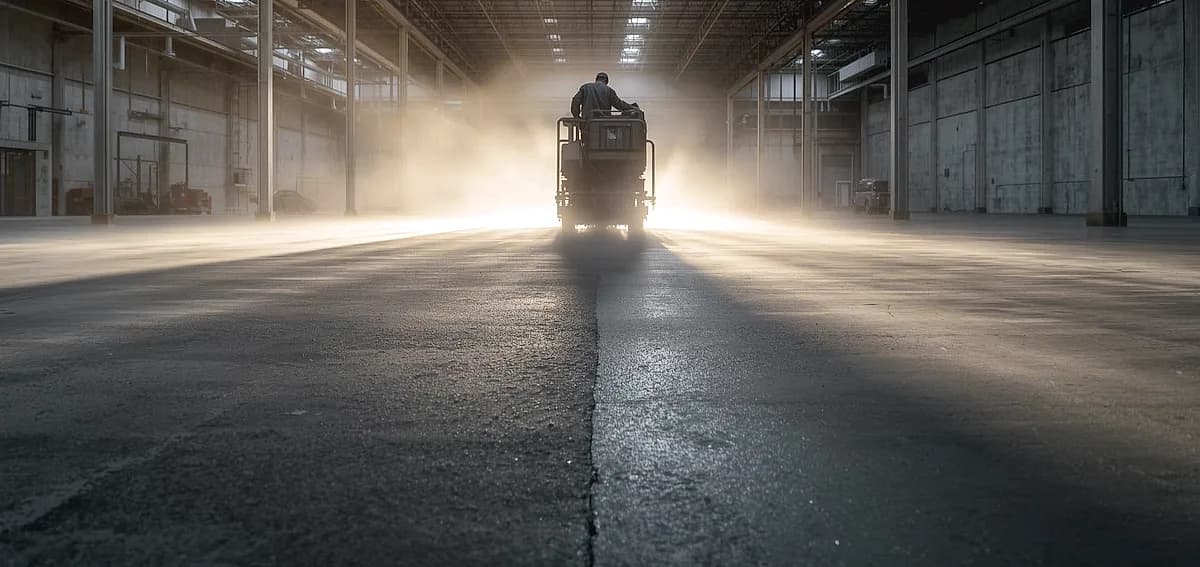
Periodic re-application of densifier maintains surface hardness in high-traffic areas. Commercial facilities typically benefit from supplemental densifier applications every 2-3 years, applied during routine maintenance periods when the floor can be cleaned and treated without disrupting operations. Residential polished concrete installations may extend this interval to 5-7 years depending on traffic levels and care practices.
Professional maintenance services including auto-scrubbing and periodic burnishing maintain gloss levels and surface integrity. These services become necessary at varying intervals depending on traffic intensity, but most facilities benefit from quarterly professional maintenance between daily care routines. The investment in regular maintenance preserves the original installation investment and extends service life significantly.
Conclusion
Concrete densifiers represent an essential component of professional polishing installations, particularly in challenging environments like Miami where climate conditions stress concrete surfaces continuously. The chemical transformation from silicate application creates harder, more resistant surfaces that respond more efficiently to grinding and polishing while delivering superior long-term performance. Property owners and facility managers who invest in proper densification achieve floors that maintain their appearance and structural integrity for years longer than untreated alternatives.
The selection of appropriate densifier products, careful attention to application technique, and establishment of ongoing maintenance protocols all contribute to successful outcomes. While the additional cost of densification represents a meaningful investment, the benefits in reduced polishing time, improved appearance, and extended service life provide compelling return on that investment. For projects where quality and longevity matter, densification is not optional—it is fundamental to achieving the results that define professional concrete polishing.
Ready to discuss your concrete polishing project? Our Miami team brings years of experience with densifier application and polishing techniques suited to South Florida’s unique conditions. Contact us today for a consultation and project assessment.
References
- American Concrete Institute – Industry standards and technical guidelines for concrete treatment and finishing
- National Ready Mixed Concrete Association – Research on concrete performance and treatment methodologies
- Environmental Protection Agency – Environmental considerations for concrete and surface treatments
- Occupational Safety and Health Administration – Safety guidelines for chemical treatment applications
- Encyclopedia Britannica – Technical information on silicate chemistry and concrete composition
Frequently Asked Questions
How long should concrete cure before applying densifier?
Concrete requires a minimum cure period of 14 days before densifier application, with 28 days representing the optimal window for maximum effectiveness. Rushing this timeline wastes material and produces inadequate hardening results. The concrete must complete initial hydration and reach sufficient strength before chemical treatment can penetrate and react effectively.
Can I apply densifier to previously sealed concrete?
No—existing sealers, coatings, and curing compounds must be completely removed before densifier application. These materials create barriers that prevent penetration and chemical reaction. Surface preparation through mechanical grinding or shot blasting removes existing treatments and creates the open-pore profile necessary for effective densification.
What is the difference between sodium, potassium, and lithium silicate densifiers?
Sodium silicate offers the most economical option with adequate hardening for standard applications. Potassium silicate provides faster reaction times and slightly deeper penetration. Lithium silicate delivers the deepest penetration, superior chemical resistance, and lower alkalinity—making it the preferred choice for premium applications and coastal environments like Miami.
How soon after densifier application can I begin polishing?
Polishing can typically resume 7-14 days after densifier application, once the chemical reaction reaches adequate hardness levels. Testing through scratch evaluation or hardness measurement confirms readiness. Rushing this process risks gouging or damaging the partially reacted surface before it achieves full hardness.
Will densifier change the color of my concrete floor?
Densifiers themselves are clear and colorless, but they can intensify the natural color of concrete and aggregate by reducing surface porosity and improving light reflection. This color enhancement is typically subtle but noticeable, particularly with darker concrete mixes. The effect becomes more pronounced after polishing completes.
How often should densifier be reapplied to maintain results?
Commercial facilities typically benefit from supplemental densifier applications every 2-3 years, while residential installations may extend this interval to 5-7 years. High-traffic areas and harsh environments may require more frequent maintenance. Regular assessment of surface hardness and appearance helps determine appropriate reapplication timing.
Is densifier application necessary for all concrete polishing projects?
While technically possible to polish concrete without densifier, the results will be inferior in appearance, durability, and longevity. Densification is considered standard practice for professional installations where quality and long-term performance matter. The cost savings from omitting densifier rarely justify the compromised results and reduced service life.
Can densifier help with concrete that has already begun to deteriorate?
Densifier works best on sound concrete and cannot reverse existing damage or deterioration. It penetrates and hardens intact concrete but cannot fill cracks, repair spalling, or restore compromised structural integrity. Existing damage must be addressed through appropriate repair methods before densifier application can provide meaningful benefit.
Written by

Founder and CEO
Chris Lavin is an esteemed leader in concrete polishing and epoxy coatings with a distinguished 20-year career. As founder and CEO of National Concrete Polishing and owner of Xtreme Polishing Systems, he's renowned for polishing and epoxy coating more floors than anyone globally. Chris is recognized for his innovative approach and commitment to enhancing floor durability and aesthetics. His hands-on experience and technical proficiency make him a respected authority and a valuable resource in the field of floor polishing and coatings.
Same topic
Related articles
All stories
Polished concrete11 min read
Polished Concrete vs Epoxy Coatings: Which Floor Is Right for Your Space?
Two systems, two price curves, one slab. What each one costs to install and to keep, and which spaces each one actually suits.
Read it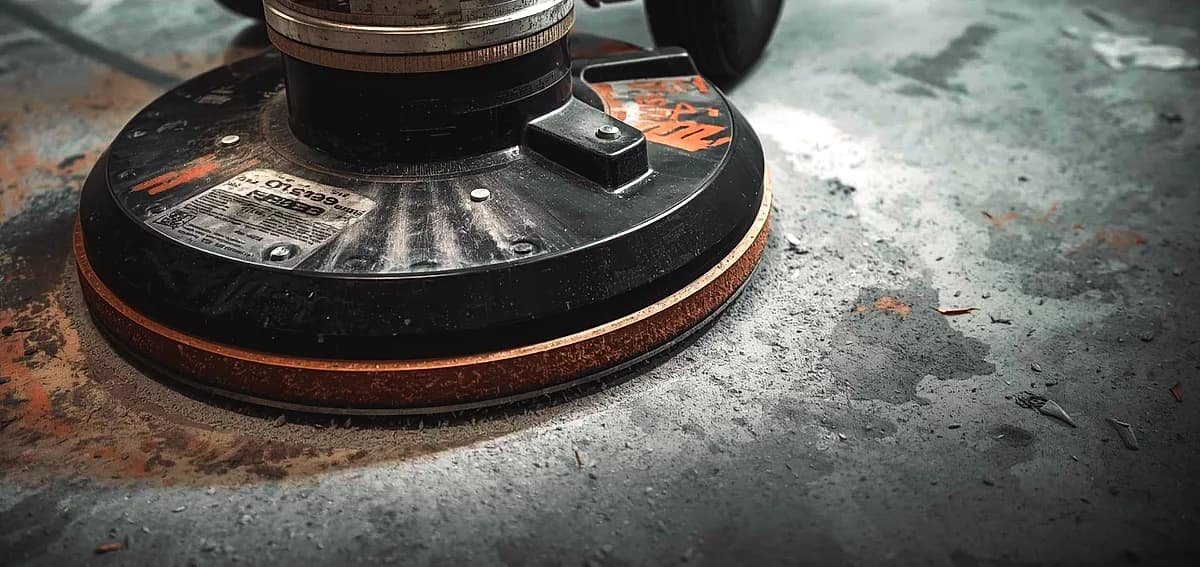
Polished concrete8 min read
What to Know Before Polishing Your Existing Concrete Slab
Before any mechanical refinement can begin, a thorough evaluation of the current foundation is required.
Read it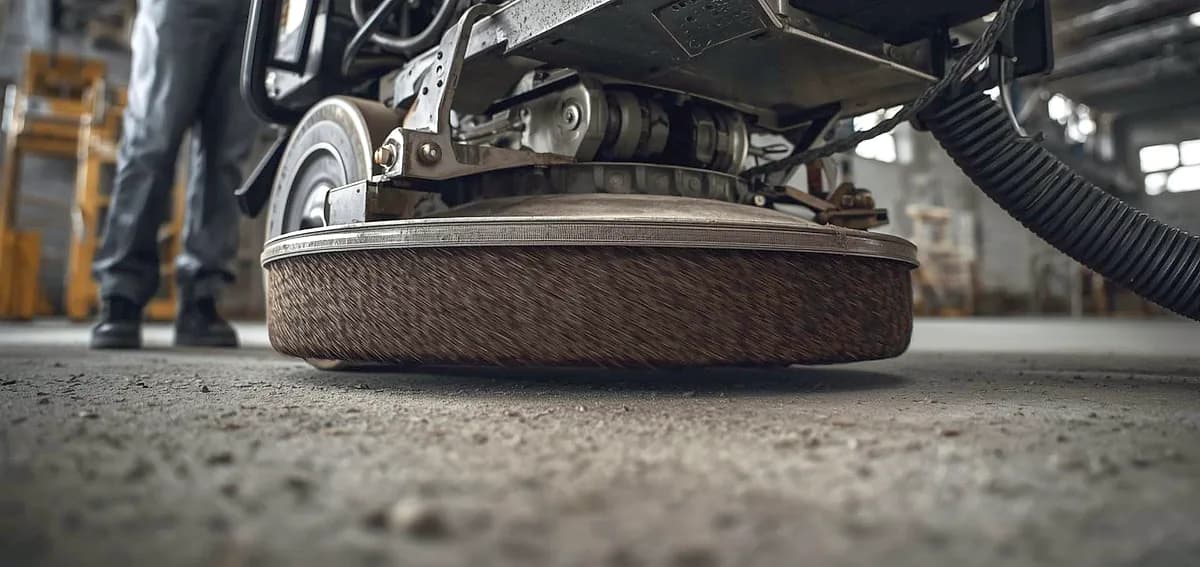
Polished concrete8 min read
Is Polished Concrete Worth the Investment for Miami Properties?
It is essential to distinguish between a simple topical seal and mechanically refined concrete.
Read it
Tell us about the floor
Tell us the space and roughly how big it is.We come back with what it would cost and when we could start.
Prefer to talk? Call +1 844-876-5474
- Leads@
nationalconcretepolishing.net - 2200 NW 32nd St #600,
Pompano Beach, FL 33069 Mon to Fri, 9:00 to 5:30