
The NCP blog
Discover What Makes Flake Epoxy Floors Textured
Epoxy & coatings6 min read
Professionals broadcast the particles while coatings remain tacky, ensuring proper embedment.
Over 80% of homeowners upgrading their garage floors choose systems containing decorative particles for enhanced grip and style. These colorful additions do more than brighten spaces—they create dynamic surfaces that withstand heavy use while hiding imperfections.
The unique feel underfoot comes from specialized materials mixed into liquid coatings. When applied correctly, these elements bond chemically, forming a resilient top layer. Size variations in the decorative components influence both safety and design outcomes.
Installation timing plays a critical role in achieving consistent results. Professionals broadcast the particles while coatings remain tacky, ensuring proper embedment. Environmental conditions like humidity levels affect how quickly surfaces cure, impacting final texture quality.
Understanding What Makes Flake Epoxy Floors Textured
Interior designers and contractors frequently recommend chip-enhanced coatings for high-traffic areas requiring slip resistance. These systems transform plain concrete into durable, visually interesting spaces through layered construction techniques.
Multi-Layer Construction Process
Decorative particles bond with liquid resin during installation. Workers spread colored chips across a freshly applied base layer before adding protective topcoats. Timing proves crucial – professionals must scatter materials while the initial coating remains sticky for secure embedding.
| Flake Size | Texture Profile | Common Applications |
|---|---|---|
| Fine (1/16″) | Smooth with slight grip | Retail showrooms |
| Medium (1/8″) | Moderate traction | Garage surfaces |
| Large (1/4″) | Heavy texture | Industrial warehouses |
Frequent Installation Complications
Improper concrete preparation leads to adhesion failures. Moisture rising through slabs or oil stains prevents proper bonding. Sunlight exposure causes yellowing in unprotected clear layers over time.
Uneven chip distribution creates visual inconsistencies and safety hazards. Rushed installations often result in bare spots or clustered accumulations. Climate control during curing prevents premature drying that weakens structural integrity.
How to Achieve a Textured Flake Epoxy Floor
Creating durable, slip-resistant surfaces requires precise execution. Proper techniques transform ordinary concrete into functional art while preventing workplace accidents. Follow these proven approaches to ensure lasting results.
Essential Surface Preparation and Epoxy Coating Techniques
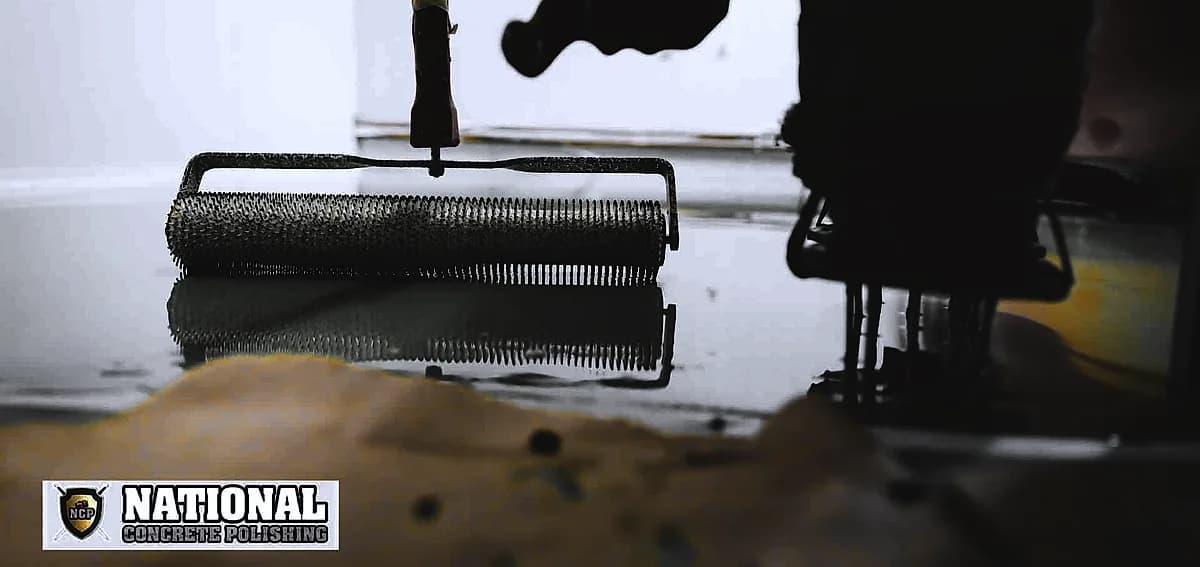
Start by cleaning concrete thoroughly. Remove oil stains and grind the surface to create microscopic grooves. This “profile” helps the base coat adhere properly. Apply primer within 24 hours of preparation for maximum bond strength.
Mix the two-part coating system thoroughly before spreading. Use notched squeegees for even distribution. Work in manageable sections – typically 10×10 foot areas – to maintain wet edges. Temperature affects curing: ideal conditions range from 50-90°F with low humidity.
Broadcasting Methods: Hand Toss, Hopper Blower, and Homemade Shaker
Three techniques dominate flake distribution. The hand toss method uses spiked shoes for traction while scattering material. For large spaces, hopper guns propel paint chips 15-20 feet using compressed air. DIY enthusiasts often modify gallon containers with drilled holes for controlled shaking.
| Broadcast Type | Coverage Rate | Texture Level |
|---|---|---|
| Light | 0.25-0.5 lbs/100 sq ft | Subtle |
| Medium | 0.5-2 lbs/100 sq ft | Balanced |
| Full | 10 lbs/100 sq ft | Complete |
Time applications carefully. Begin broadcasting within 10 minutes of base coat application. Overlap throw patterns by 30% to prevent gaps. Allow proper curing before removing excess flakes – typically 12-24 hours.
Expert Maintenance and Troubleshooting Insights for Epoxy Floors
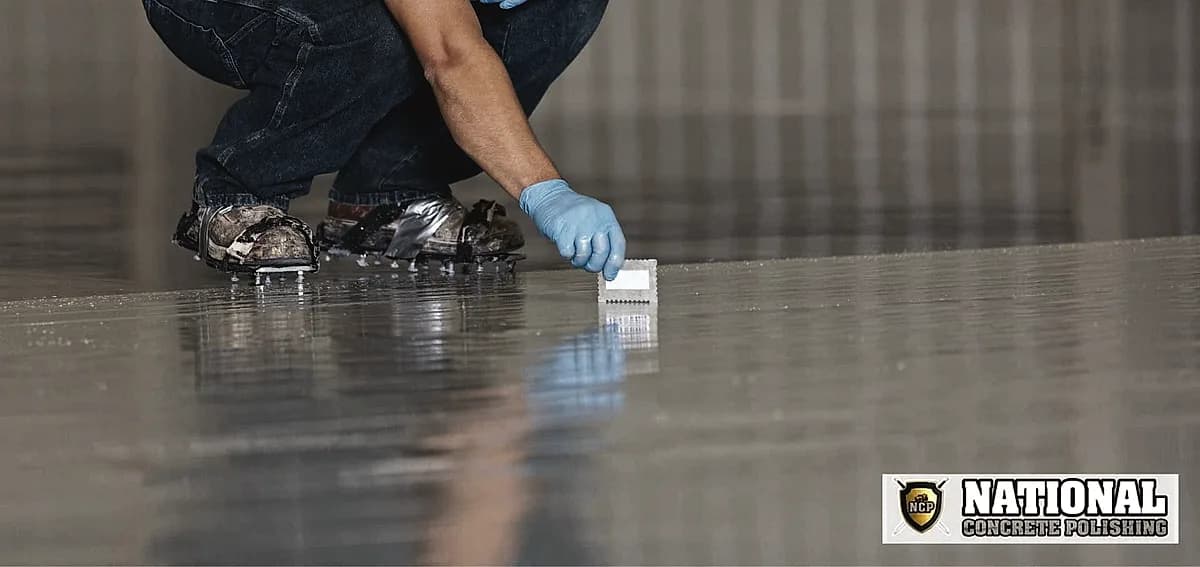
Maintaining your garage’s decorative surface requires proactive strategies. Proper care preserves both safety features and visual appeal while preventing costly repairs.
Preventing Issues: Peeling, Delamination, and Color Discoloration
Test concrete moisture levels before installation. High humidity causes coatings to separate from slabs. Choose UV-resistant topcoats for areas near windows to block yellowing.
Add anti-slip particles during application for wet-weather traction. Industrial-grade materials withstand dropped tools better than standard options. Wait 72 hours after final coating before parking vehicles.
Long-Term Care for Durability and Aesthetics
Clean spills promptly using pH-neutral cleaners. Avoid vinegar or bleach solutions that degrade the finish. Inspect edges quarterly for lifting sections.
Contact licensed contractors if bubbles appear or chips cluster unevenly. Professionals repair adhesion problems using specialized grinding tools. Schedule annual inspections to maintain surface integrity.
Partner with National Concrete Polishing for Expert Results
Transform your space with professionals who master the science of decorative surfacing. National Concrete Polishing delivers durable epoxy flooring solutions tailored to South Florida’s humid climate and unique demands. Our team combines technical precision with artistic vision to create surfaces that perform beautifully for decades.
We start by evaluating your garage’s specific conditions. Moisture tests and surface scans guide our recommendations for optimal coverage and color retention. You’ll see how different flake densities affect both safety and visual depth during your free consultation.
Our certified technicians use industrial-grade materials unavailable to DIYers. These advanced systems lock particles in place while resisting UV damage and chemical spills. You’ll gain peace of mind knowing your installation follows precise timing protocols for flawless adhesion.
Clients choose us for:
- Climate-adapted formulas preventing premature yellowing
- Broadcasting techniques matching your space’s size and layout
- 5-year warranties on residential installations
Stop risking uneven results or costly redos. Call +1 844-876-5474 today to schedule your assessment. Let our expertise turn your vision into a floor that withstands daily life while keeping its vibrant appearance for years.
Conclusion
Successful installations combine technical precision with material science. The right system layers base coatings, decorative chips, and protective seals to create surfaces that last. Your choice between light scatter patterns or full coverage impacts both aesthetics and slip resistance.
Garages demand particular attention to surface prep and climate control. Moisture barriers prevent lifting, while UV-resistant topcoats combat sunlight damage. Though DIY projects can save money upfront, professionals deliver consistent results through timed applications and industrial-grade materials.
Proper maintenance preserves value over time. Regular cleaning prevents paint stains from setting, and prompt repairs address wear patterns. Whether tackling the project yourself or hiring experts, understanding material types ensures your floor performs well for years.
This article outlined how strategic chip placement and quality layers transform spaces. You now hold the knowledge to balance functionality with visual appeal. Apply these insights to create surfaces that elevate your property’s worth while standing up to daily demands.
Frequently Asked Questions
How does the flake application process create texture on epoxy floors?
Texture forms when color chips are broadcast onto wet epoxy coatings. The thickness and distribution of flakes influence surface grip and visual depth. Tools like hopper blowers or hand-toss methods control flake density for custom non-slip finishes.
Can you install a textured epoxy floor coating yourself?
DIY projects are possible with proper surface prep and timing. Challenges include uneven flake distribution or insufficient curing. Professional contractors like National Concrete Polishing ensure consistent coverage and avoid adhesion issues common in garage floors.
What causes peeling or discoloration in flake epoxy systems?
Poor surface preparation, humidity, or incorrect mixing ratios lead to delamination. UV-resistant topcoats prevent yellowing from sunlight exposure. Regular cleaning and avoiding harsh chemicals maintain color integrity for years.
How do different broadcasting methods affect the final finish?
Hand-tossing offers rustic, organic patterns, while hopper blowers achieve uniform coverage. Homemade shakers work for small areas but may strain wrists. The method impacts flake orientation, affecting slip resistance and aesthetics.
Why choose National Concrete Polishing for epoxy floor installations?
Their certified technicians use industrial-grade materials and advanced techniques. They address challenges like concrete moisture or temperature shifts, ensuring durable, textured surfaces that boost property value and withstand heavy garage use.
How long does a textured epoxy coating last in high-traffic garages?
Properly applied systems endure 10–20 years. Durability depends on topcoat quality, flake density, and maintenance. Avoid dragging sharp objects and clean spills promptly to preserve the anti-slip texture and vibrant color chips.
Do color flakes impact the floor’s resistance to stains or chemicals?
Flakes add visual appeal but don’t enhance chemical resistance. A high-quality urethane topcoat seals the surface, protecting against oil, grease, and abrasion. Reapply sealants every 2–3 years for optimal garage floor performance.
How do you maintain the texture and appearance over time?
Sweep regularly to prevent grit buildup. Use pH-neutral cleaners for deep cleaning. Avoid wax-based products that create slippery layers. For worn areas, a fresh topcoat restores grip and shine without full reinstallation.
Written by

Founder and CEO
Chris Lavin is an esteemed leader in concrete polishing and epoxy coatings with a distinguished 20-year career. As founder and CEO of National Concrete Polishing and owner of Xtreme Polishing Systems, he's renowned for polishing and epoxy coating more floors than anyone globally. Chris is recognized for his innovative approach and commitment to enhancing floor durability and aesthetics. His hands-on experience and technical proficiency make him a respected authority and a valuable resource in the field of floor polishing and coatings.
Same topic
Related articles
All stories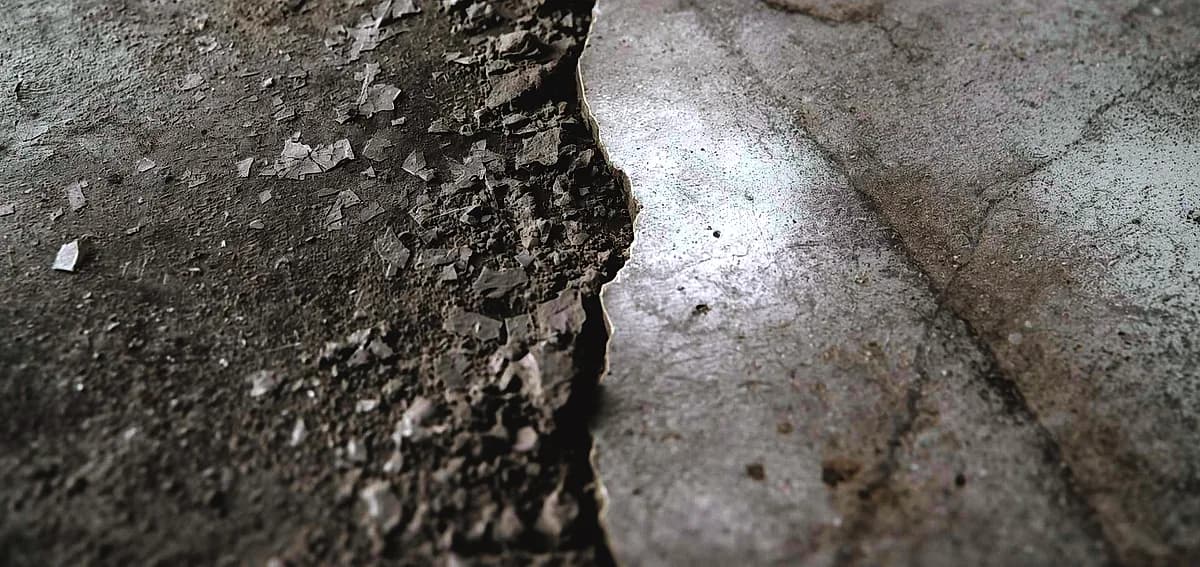
Epoxy & coatings8 min read
DIY vs Professional Epoxy Flooring in Fort Lauderdale
Hardware stores heavily market all-in-one boxes that promise a showroom finish with minimal effort.
Read it
Epoxy & coatings8 min read
Can You DIY Epoxy Flooring in Miami? Pros, Cons, and Tips
Applying a durable floor finish in a tropical or highly humid climate presents unique environmental challenges.
Read it
Epoxy & coatings7 min read
DIY Epoxy Flooring in South Florida: Is It Worth the Risk?
However, these products generally contain high levels of water or solvents to extend their pot life.
Read it
Tell us about the floor
Tell us the space and roughly how big it is.We come back with what it would cost and when we could start.
Prefer to talk? Call +1 844-876-5474
- Leads@
nationalconcretepolishing.net - 2200 NW 32nd St #600,
Pompano Beach, FL 33069 Mon to Fri, 9:00 to 5:30