
The NCP blog
How to Achieve a Smooth Concrete Finish in Miami
Polished concrete7 min read
Miami’s subtropical climate fundamentally changes how concrete cures, bonds, and maintains its finish.
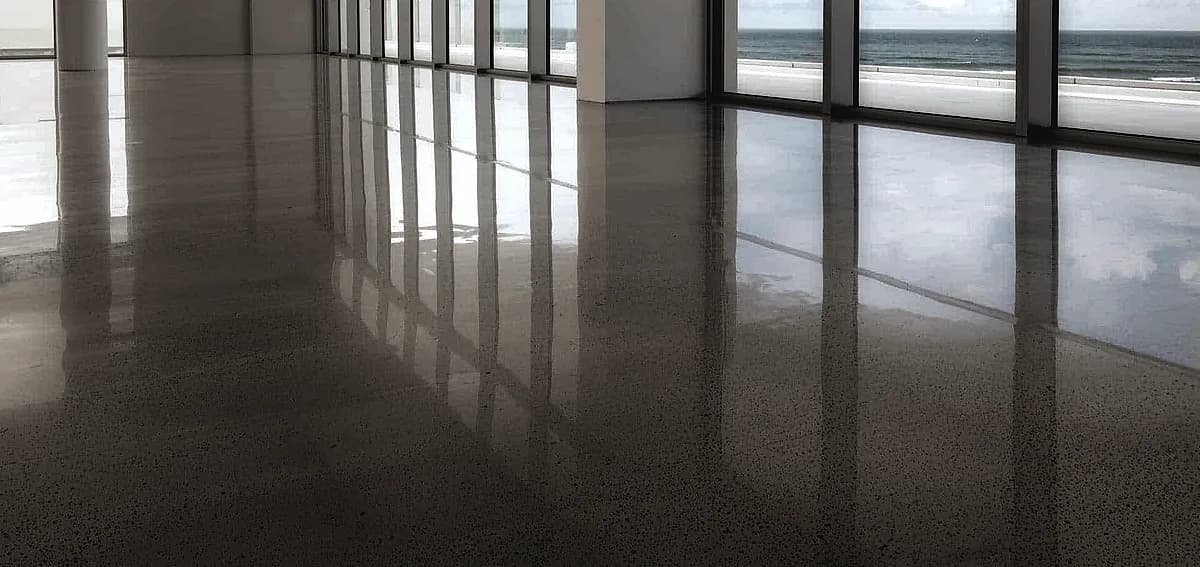
Achieving a smooth concrete Miami finish requires professional techniques specifically designed for South Florida’s challenging environment. The process combines diamond polishing, proper densification, and climate-adapted curing methods to transform rough concrete into a seamless, durable surface. According to the Concrete Polishing Association of America (CPAA), professionally finished smooth concrete achieves surface tolerances of FF 50 or higher, delivering the mirror-like quality Miami property owners expect.
Miami’s 76% average humidity and year-round temperatures above 80°F create unique challenges that generic finishing methods cannot address. This guide covers the exact processes, materials, and techniques that professional contractors use to deliver flawless smooth concrete in Miami’s demanding climate.
Why Smooth Concrete Behaves Differently in Miami
Miami’s subtropical climate fundamentally changes how concrete cures, bonds, and maintains its finish. Understanding these differences is essential for achieving lasting results.
Humidity Impact on Concrete Curing
High humidity slows water evaporation from concrete surfaces, extending cure times by 25-40% compared to drier climates. While this creates scheduling challenges, it actually improves hydration when managed properly. Research from the National Institute of Standards and Technology (NIST) confirms that controlled slow curing increases final compressive strength by up to 15%. Professional contractors leverage moisture mitigation techniques to optimize this process.
Temperature Effects on Surface Quality
Miami’s average daily temperatures above 85°F accelerate chemical reactions in coatings and treatments. Epoxy applications require ambient temperatures between 60-90°F with substrate temperatures within 5°F of air temperature. The Florida Building Code mandates specific installation windows to ensure proper bonding. Understanding how humidity affects epoxy floors prevents common failures.
Salt Air and Coastal Considerations
Properties within 3 miles of the coast face accelerated concrete degradation from salt-laden air. The American Concrete Institute (ACI) documents that chloride penetration can reach 1-2 inches deep within 5 years without proper sealing. Smooth concrete finishes require concrete sealing before polishing to create a protective barrier against salt intrusion.
Professional Methods for Smooth Concrete in Miami
Four primary techniques deliver smooth concrete finishes that withstand Miami’s conditions. Each method serves different applications and performance requirements.
Diamond Polishing
Diamond polishing uses progressively finer diamond abrasives to mechanically refine concrete surfaces. The process typically involves 6-8 passes with grits ranging from 30 to 3000. Professional concrete polishing achieves gloss levels up to 1,800 on the reflectivity scale. This method creates no VOC emissions, making it ideal for occupied Miami buildings with strict air quality requirements.
Self-Leveling Overlays
Self-leveling compounds correct surface irregularities up to 1 inch deep in a single application. The International Concrete Repair Institute (ICRI) classifies these overlays as CSP 1-2 surface profiles, providing the smoothest possible substrate. Learn more about self-leveling epoxy underlayment applications for Miami projects.
Epoxy Coating Systems
Multi-layer epoxy systems build smooth surfaces through chemical bonding rather than mechanical refinement. Professional installations include primer, base coat, and topcoat layers totaling 10-20 mils thickness. Understanding the differences between epoxy types helps Miami property owners select the right system.
Metallic Epoxy Finishes
Metallic epoxy creates smooth, reflective surfaces with three-dimensional depth effects. The metallic epoxy application process uses metallic pigments suspended in clear epoxy that are manipulated during installation to create unique patterns. These finishes are especially popular in Miami’s luxury residential and high-end retail markets.
Step-by-Step Process for Smooth Concrete in Miami
Achieving flawless smooth concrete requires a systematic approach that accounts for Miami’s environmental factors at every stage.
Step 1: Moisture Testing and Assessment
All Miami smooth concrete projects begin with comprehensive concrete moisture testing. ASTM F2170 requires internal relative humidity below 75% for most coating systems. ASTM F1869 calcium chloride testing measures moisture vapor emission rates, with acceptable levels at 3 lbs/1000 sq ft/24 hours or less. High readings require moisture barriers before proceeding.
Step 2: Surface Preparation
Proper preparation creates the foundation for smooth results. Professional contractors use concrete grinding methods to achieve the required concrete surface profile. ICRI guidelines specify CSP 2-3 for most coatings and CSP 1-2 for high-gloss polished finishes. This step removes laitance, contaminants, and creates mechanical bonding.
Step 3: Densification Treatment
Chemical densifiers penetrate concrete and react with calcium hydroxide to form additional calcium silicate hydrate (CSite for a ame concrete densifier guide explains how this process increases surface hardness by 40% and reduces dusting. Understanding the difference between sealers vs densifiers ensures proper product selection.
Step 4: Progressive Polishing or Coating Application
For polished concrete, technicians progress through 6-8 grit levels, from coarse 30-grit to fine 3000-grit diamonds. Each pass removes scratches from the previous grit while refining the surface. For epoxy systems, technicians apply carefully measured coats with proper flash times between layers. Reviewing polished concrete reflectivity standards helps set appropriate finish expectations.
Step 5: Guard Application and Curing
Final protection involves guard coatings that enhance stain resistance and ease of maintenance. These products require 24-72 hours cure time before regular use, with full chemical resistance developing over 7 days. Miami’s humidity extends these timeframes, requiring careful scheduling. Learn about proper floor coating cure verification testing to confirm readiness.
Smooth Concrete Finish Options Comparison
Different smooth concrete methods offer distinct advantages for Miami applications. This comparison helps property owners select the right approach.
| Finish Type | Cost Per Sq Ft | Installation Time | Lifespan | Best For |
|---|---|---|---|---|
| Diamond Polished | $3-$8 | 3-5 days | 20-25 years | Retail, offices, luxury homes |
| Self-Leveling Overlay | $4-$9 | 2-3 days | 15-20 years | Uneven surfaces, renovations |
| Epoxy Coating | $4-$10 | 2-4 days | 10-15 years | Garages, warehouses, industrial |
| Metallic Epoxy | $8-$15 | 3-5 days | 15-20 years | Showrooms, restaurants, luxury |
Common Problems and Solutions for Miami Smooth Concrete
Surface Dusting and Powder Formation
Weak surface layers release powder under traffic. This often results from rapid moisture loss during initial curing in Miami’s heat. Chemical densifiers penetrate and strengthen these layers, eliminating dusting permanently. Severe cases may require light grinding before treatment.
Coating Delamination and Peeling
Moisture vapor pressure from beneath the slab pushes coatings off the surface. This problem affects 70% of failed floor coating projects in Miami according to industry data. Prevention requires moisture testing and moisture barriers under Florida epoxy floors. If delamination occurs, our epoxy floor peeling fix guide provides repair solutions.
Efflorescence and White Deposits
White crystalline deposits form when moisture carries mineral salts to the surface. Miami’s humidity and coastal exposure increase efflorescence risk. Treatment involves acidic cleaning followed by sealing to prevent recurrence. Understanding why waterproofing matters under epoxy helps prevent this issue.
UV Yellowing and Discoloration
Standard epoxy formulations amber over time when exposed to UV light. Miami’s intense sunlight accelerates this degradation. Aliphatic polyurethane or polyaspartic topcoats provide UV stability. Review polyaspartic vs epoxy comparisons for UV-resistant alternatives.
Maintenance Requirements for Smooth Concrete in Miami
Proper maintenance preserves smooth concrete finishes and extends their lifespan significantly. Follow these guidelines for Miami conditions:
- Daily dust mopping removes abrasive particles that scratch surfaces
- Weekly damp mopping with pH-neutral cleaners maintains appearance
- Immediate spill cleanup prevents staining and etching
- Annual guard reapplication maintains stain resistance
- Professional burnishing every 2-3 years restores gloss levels
Detailed guidance on how to clean epoxy garage floors and maintenance for resurfaced concrete provides product-specific recommendations.
Frequently Asked Questions
How long does it take to achieve smooth concrete in Miami?
Most smooth concrete projects in Miami take 3-7 days from preparation to completion. Diamond polishing typically requires 3-5 days for residential projects. Epoxy systems need 2-4 days plus 24-72 hours cure time before light use. Miami’s humidity can extend cure times by 25-40% compared to manufacturer specifications.
What is the cost of smooth concrete flooring in Miami?
Professional smooth concrete finishing in Miami ranges from $3-$15 per square foot depending on method and finish level. Basic polished concrete starts at $3-$8 per square foot, while premium metallic epoxy finishes reach $8-$15 per square foot. Review our detailed cost to epoxy a floor breakdown for budgeting purposes.
Can existing concrete be made smooth in Miami?
Yes, existing concrete can be transformed into smooth surfaces through grinding, overlays, or coating systems. The concrete resurfacing process addresses surface damage, cracks, and imperfections. Severely damaged concrete may require concrete floor leveling before finishing.
Is polished concrete slippery when wet in Miami?
Properly finished polished concrete provides slip resistance comparable to standard ceramic tile, with coefficient of friction values between 0.50-0.60. Anti-slip additives can increase these values for high-moisture areas. Textured finishes and aggregate exposure levels can be adjusted for areas requiring enhanced traction.
How does Miami humidity affect smooth concrete installation?
Miami’s 76% average humidity extends cure times for coatings and affects installation scheduling. Professional contractors monitor both ambient humidity and concrete moisture levels throughout projects. Most coating manufacturers require relative humidity below 85% during application. Our article on how epoxy flooring works in Miami humidity explains these considerations.
What is the best smooth concrete option for Miami garages?
Polyaspartic or hybrid epoxy-polyaspartic systems perform best in Miami garages due to UV stability and hot tire pickup resistance. These systems cure faster than traditional epoxy, reducing humidity-related installation issues. Review our garage floor coating comparison and garage floor finishes guide for detailed recommendations.
Get Professional Smooth Concrete in Miami
National Concrete Polishing delivers expert smooth concrete solutions throughout Miami and South Florida. Our team understands the specific challenges of achieving lasting results in Miami’s climate and brings 13+ years of experience to every project. We serve residential and commercial clients across Miami, Fort Lauderdale, Pompano Beach, and throughout South Florida. Contact us today for a free consultation and detailed project estimate.
Written by

Founder and CEO
Chris Lavin is an esteemed leader in concrete polishing and epoxy coatings with a distinguished 20-year career. As founder and CEO of National Concrete Polishing and owner of Xtreme Polishing Systems, he's renowned for polishing and epoxy coating more floors than anyone globally. Chris is recognized for his innovative approach and commitment to enhancing floor durability and aesthetics. His hands-on experience and technical proficiency make him a respected authority and a valuable resource in the field of floor polishing and coatings.
Same topic
Related articles
All stories
Polished concrete11 min read
Polished Concrete vs Epoxy Coatings: Which Floor Is Right for Your Space?
Two systems, two price curves, one slab. What each one costs to install and to keep, and which spaces each one actually suits.
Read it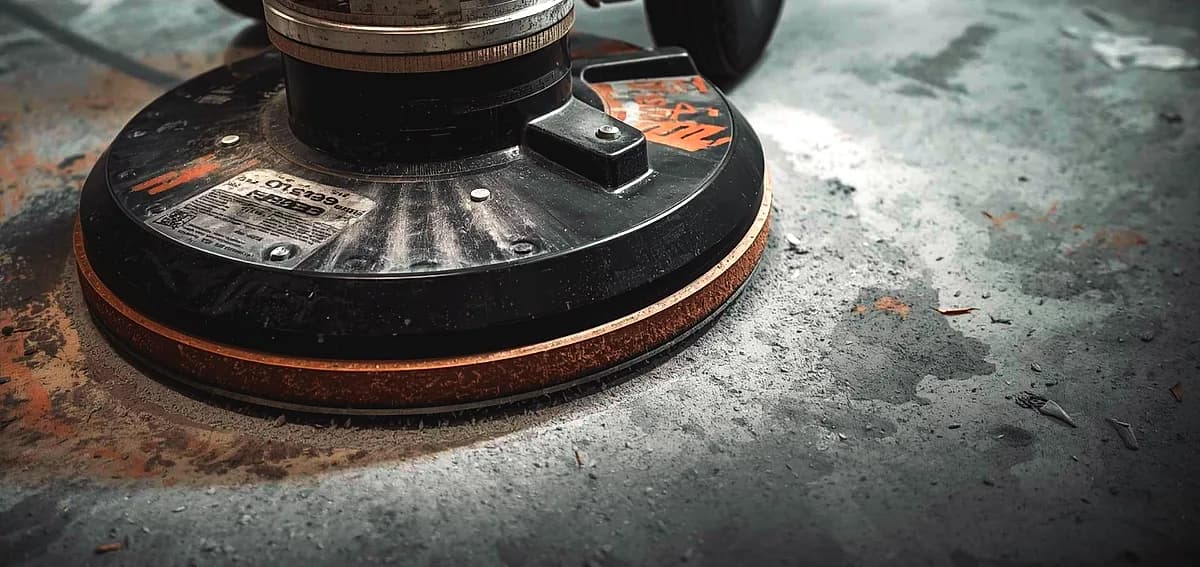
Polished concrete8 min read
What to Know Before Polishing Your Existing Concrete Slab
Before any mechanical refinement can begin, a thorough evaluation of the current foundation is required.
Read it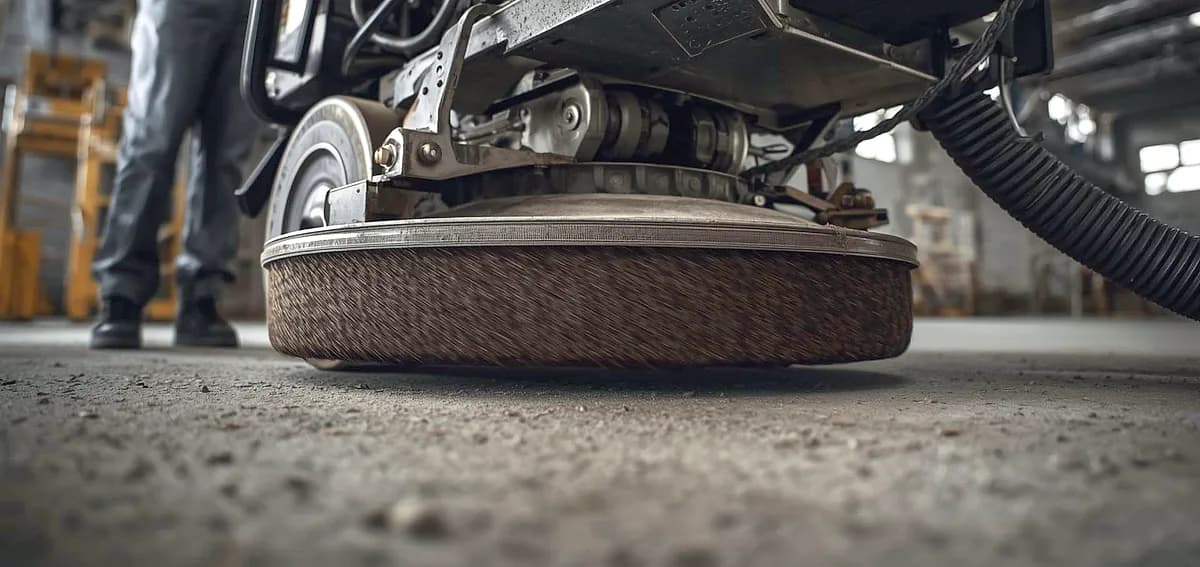
Polished concrete8 min read
Is Polished Concrete Worth the Investment for Miami Properties?
It is essential to distinguish between a simple topical seal and mechanically refined concrete.
Read it
Tell us about the floor
Tell us the space and roughly how big it is.We come back with what it would cost and when we could start.
Prefer to talk? Call +1 844-876-5474
- Leads@
nationalconcretepolishing.net - 2200 NW 32nd St #600,
Pompano Beach, FL 33069 Mon to Fri, 9:00 to 5:30