NATIONALCONCRETE POLISHING

Flooring systems · Polished concrete

Concrete Polishing

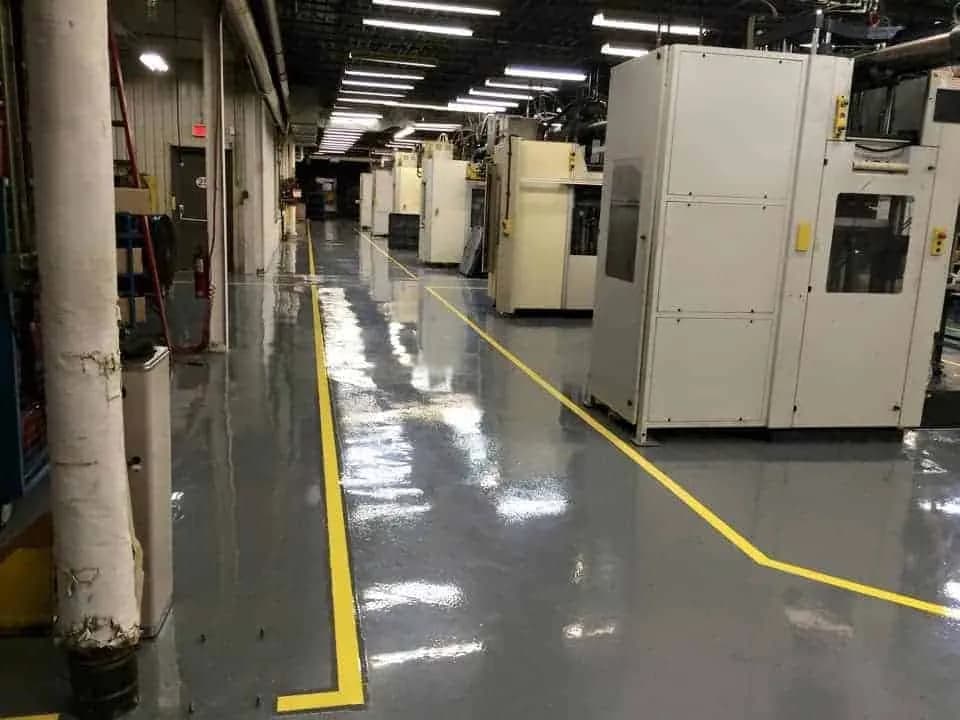
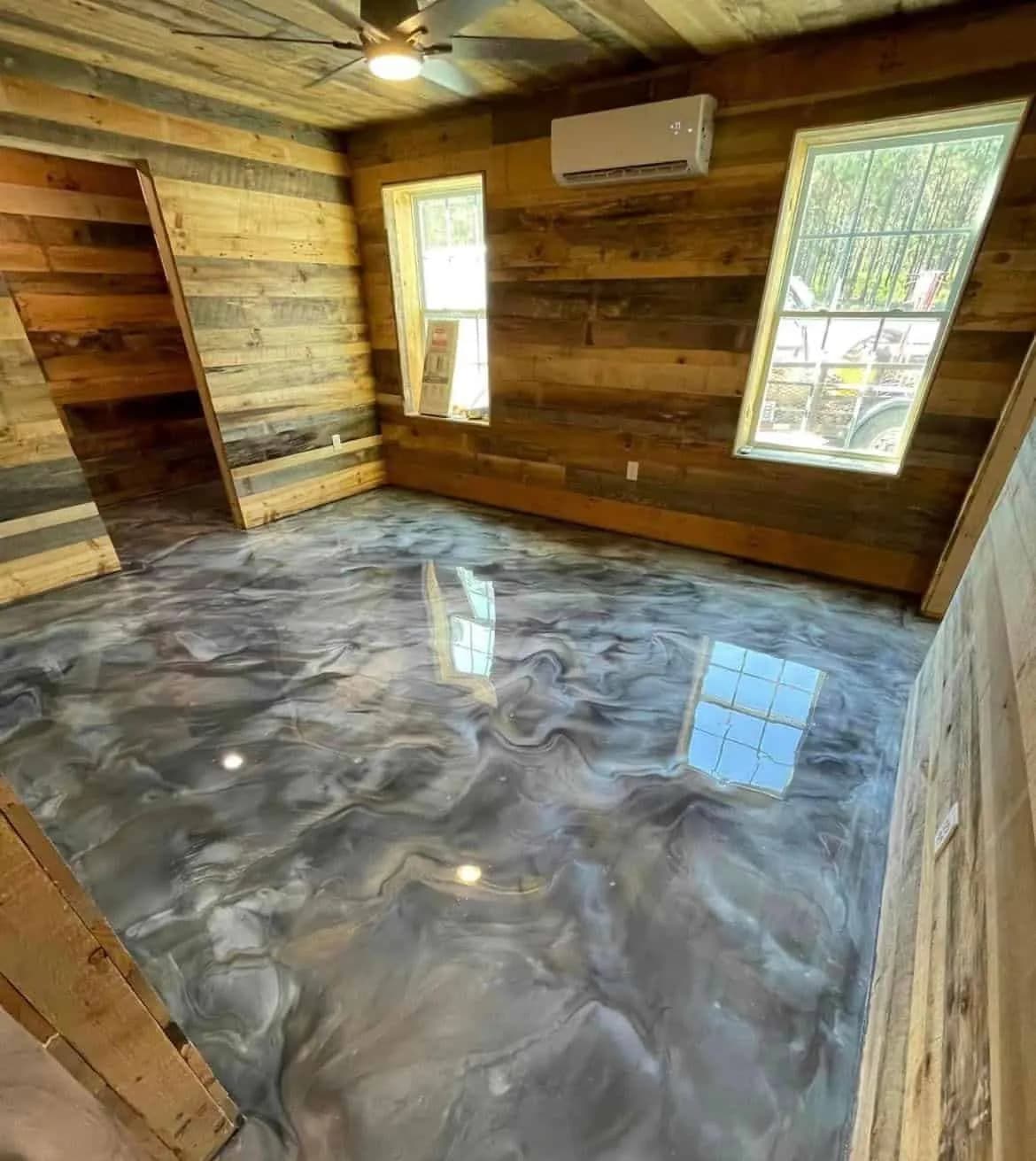
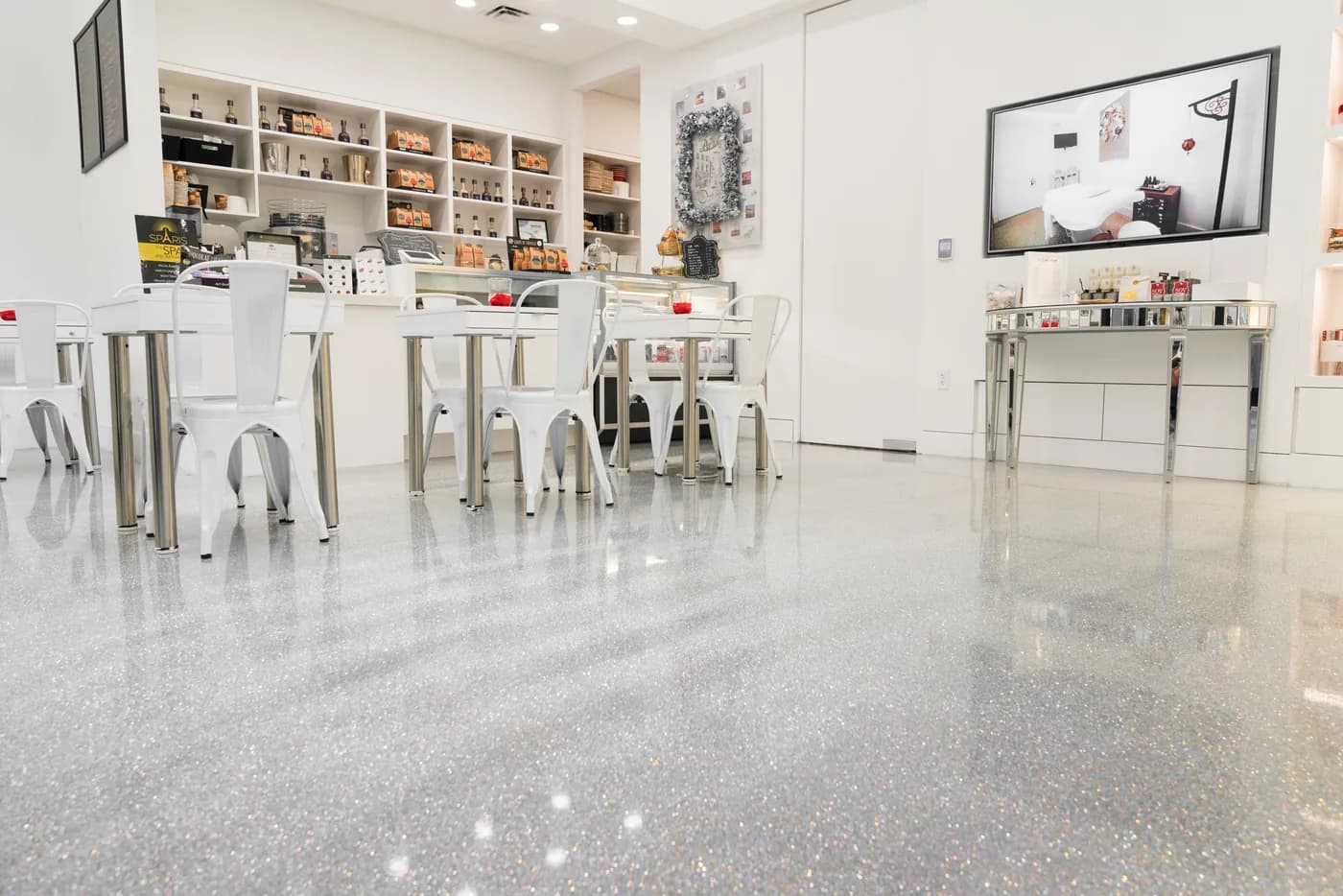
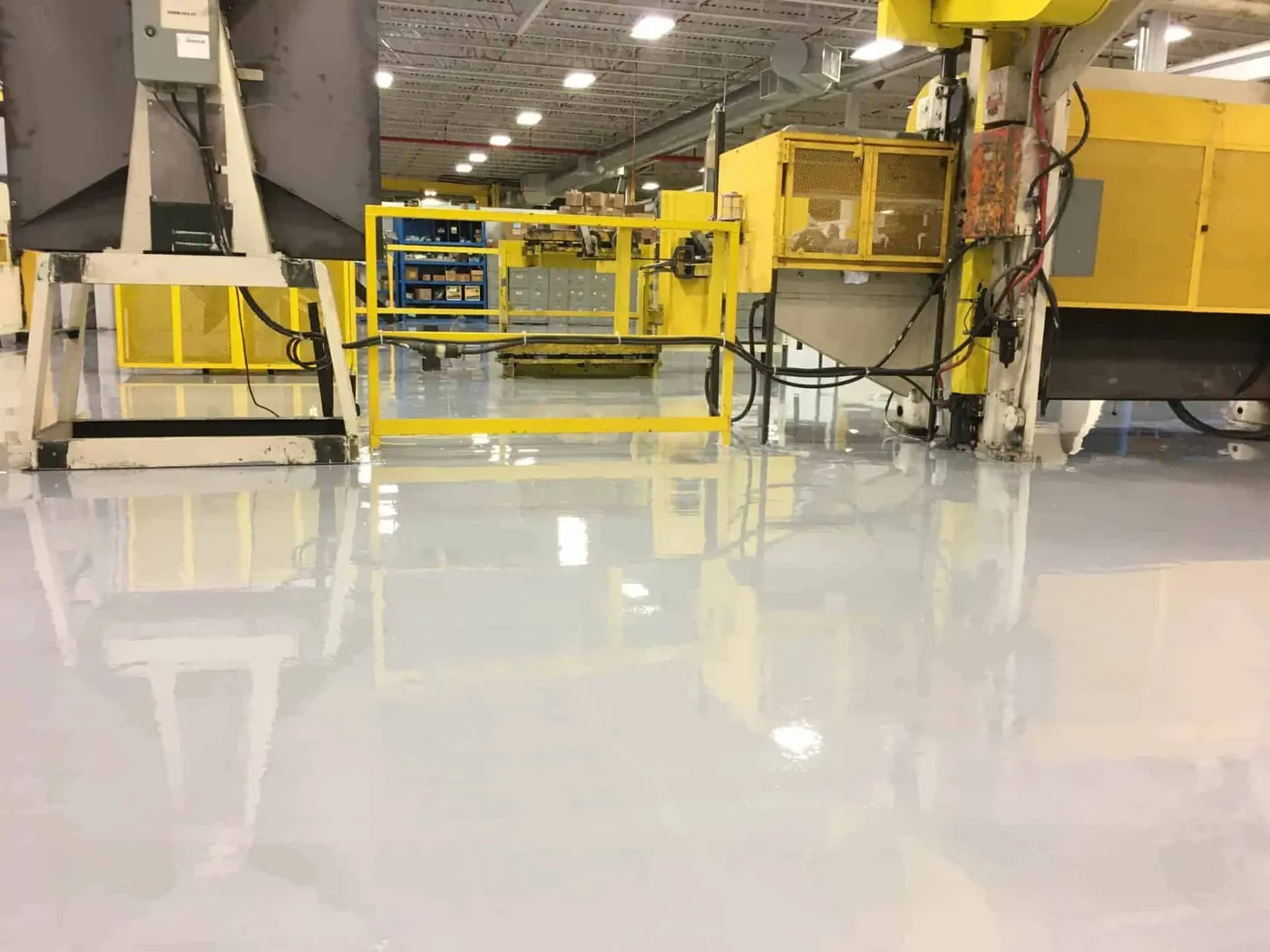
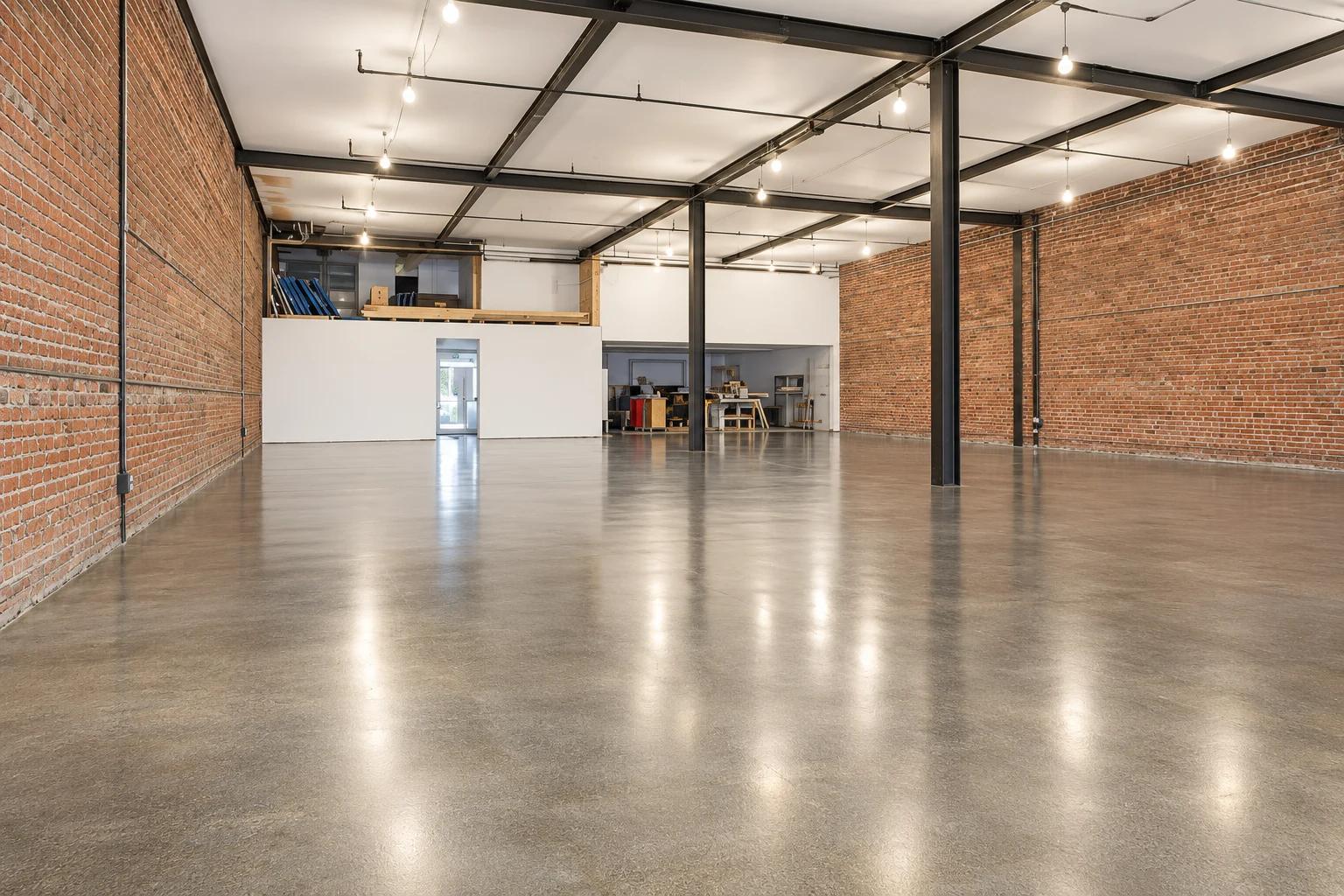
Polished concrete is the slab itself, ground with diamonds, hardened with a densifier and finished to the sheen you choose.

National Concrete Polishing is a flooring contractor that does polished concrete for businesses, industrial sites and homes. Polished concrete is used in factories and warehouses, businesses, schools and homes. When a concrete floor is mechanically polished, the surface is refined with diamond abrasive tools that can produce either a high-sheen or a duller surface, as the client prefers. It is found in showrooms, restaurants, retail outlets and garages, in commercial buildings and in homes.

WHAT IS POLISHED CONCRETE?

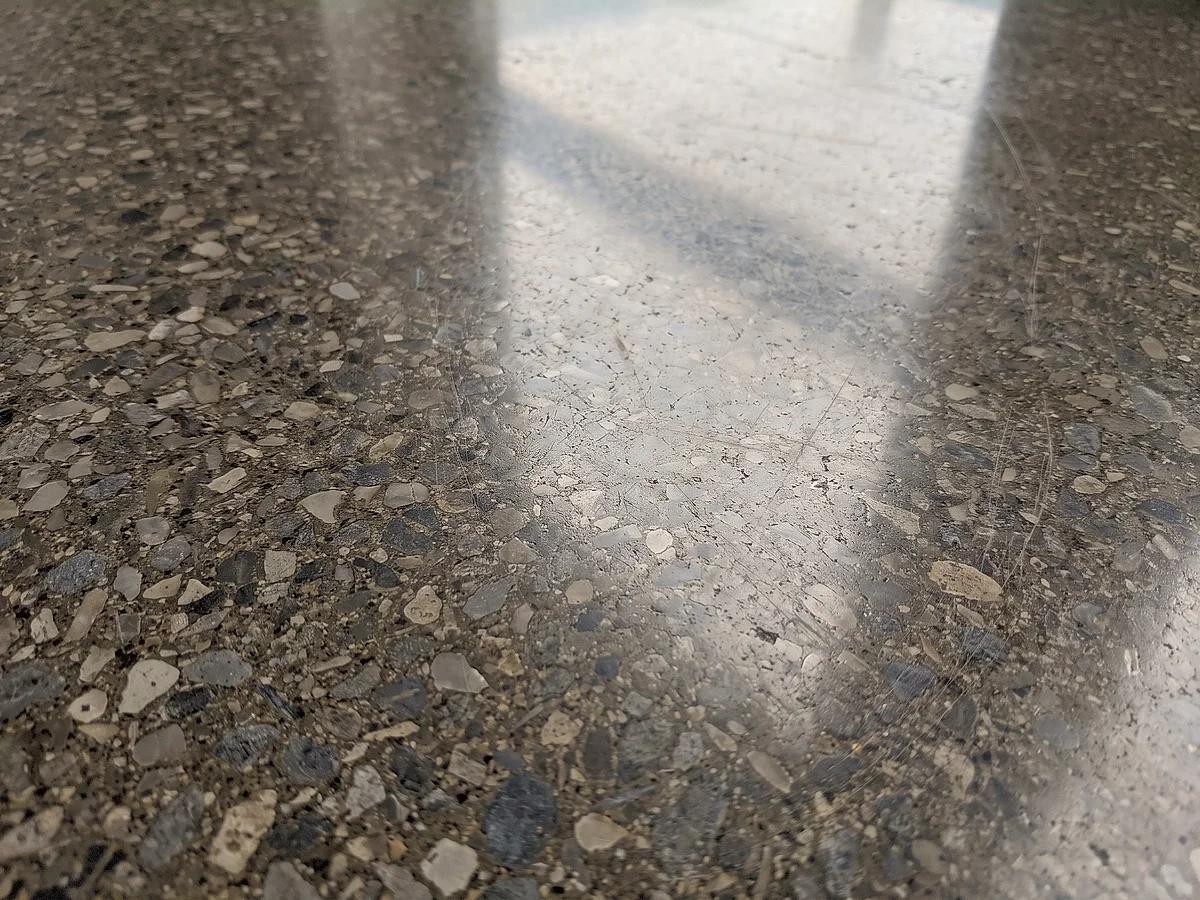
Polished concrete is a method of hardening, grinding and sealing concrete that makes it durable and resistant to wear and tear. The process of polishing concrete uses grinding and polishing machines that utilize industrial diamonds to grind away imperfections, and renovate and repair concrete flooring. Following the grinding and preparation process, impregnating hardeners, sealers, and densifiers are used to polish and finish the concrete slab. Polished concrete can have different amounts and levels of reflectivity. Reflectivity is purely aesthetic, while the level of aggregate exposure is different because that requires grinding deeper into the floor.

Variable Gloss Levels
Sheen from low gloss to very high gloss, chosen to suit the room and how it is used.
Hardened Surface
A densifier soaks in and hardens the slab surface.
Back in Use
Same day for a bare polish, about 24 hours with a guard or sealer.
Work Around Your Building
We work nights, weekends and in phases when the project calls for it.
Written Price
Every job gets a written price, and commercial quotes carry a written handback date.

The options

What Are The Different Types Of Polished Concrete?

  • A fully polished concrete floor taken to a high gloss, the aggregate cut flat and flush with the paste and polished to the same sheen.

    Mechanical Polishing

    Mechanical Polishing

    Is a multi-step process that grinds the floor through finer and finer diamonds, and suits both commercial and residential floors.

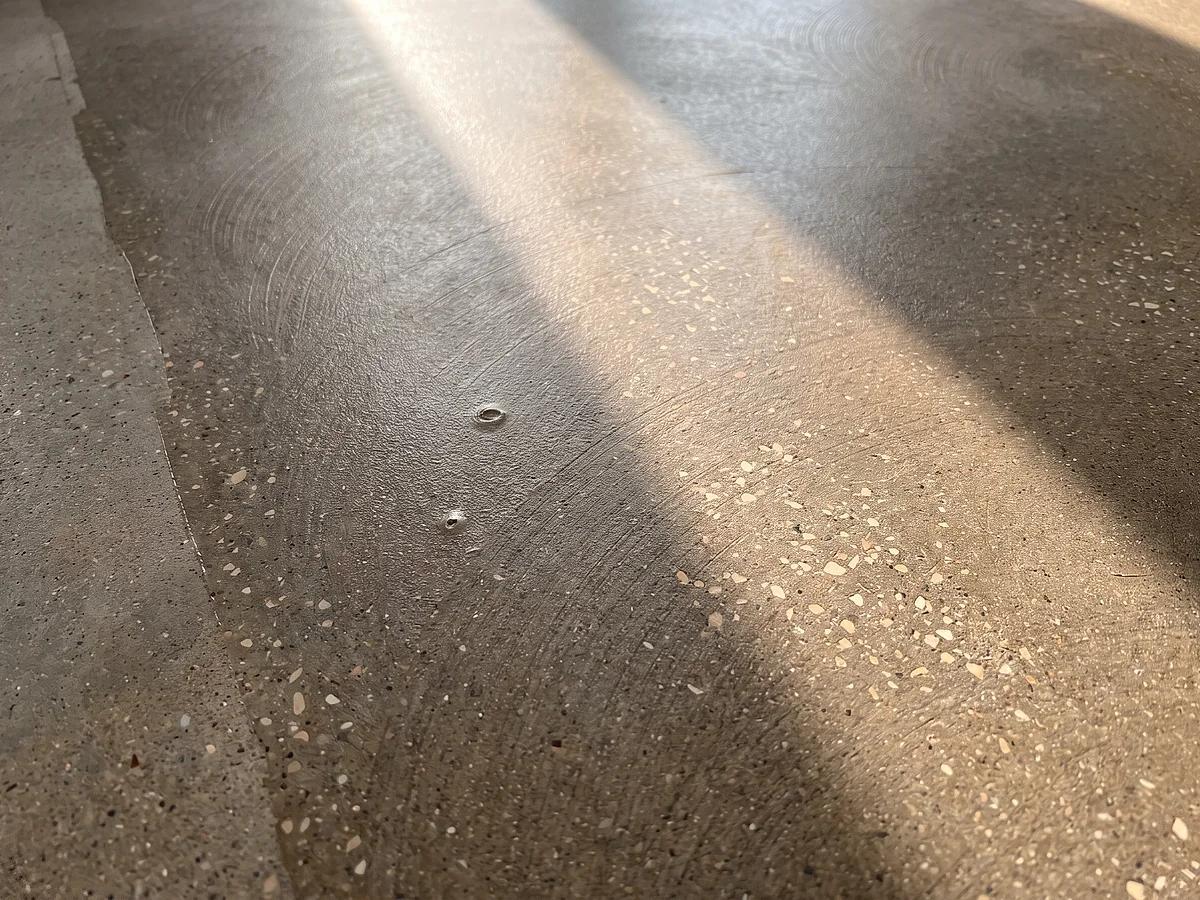
  • A lightly ground concrete floor under a topical sealer film, the grinder's overlapping arcs still faintly readable through the satin coat.

    Grind and Seal

    Grind and Seal

    Is a cost-effective method that involves grinding the concrete and sealing it with a topical layer, suitable for homes and garages.

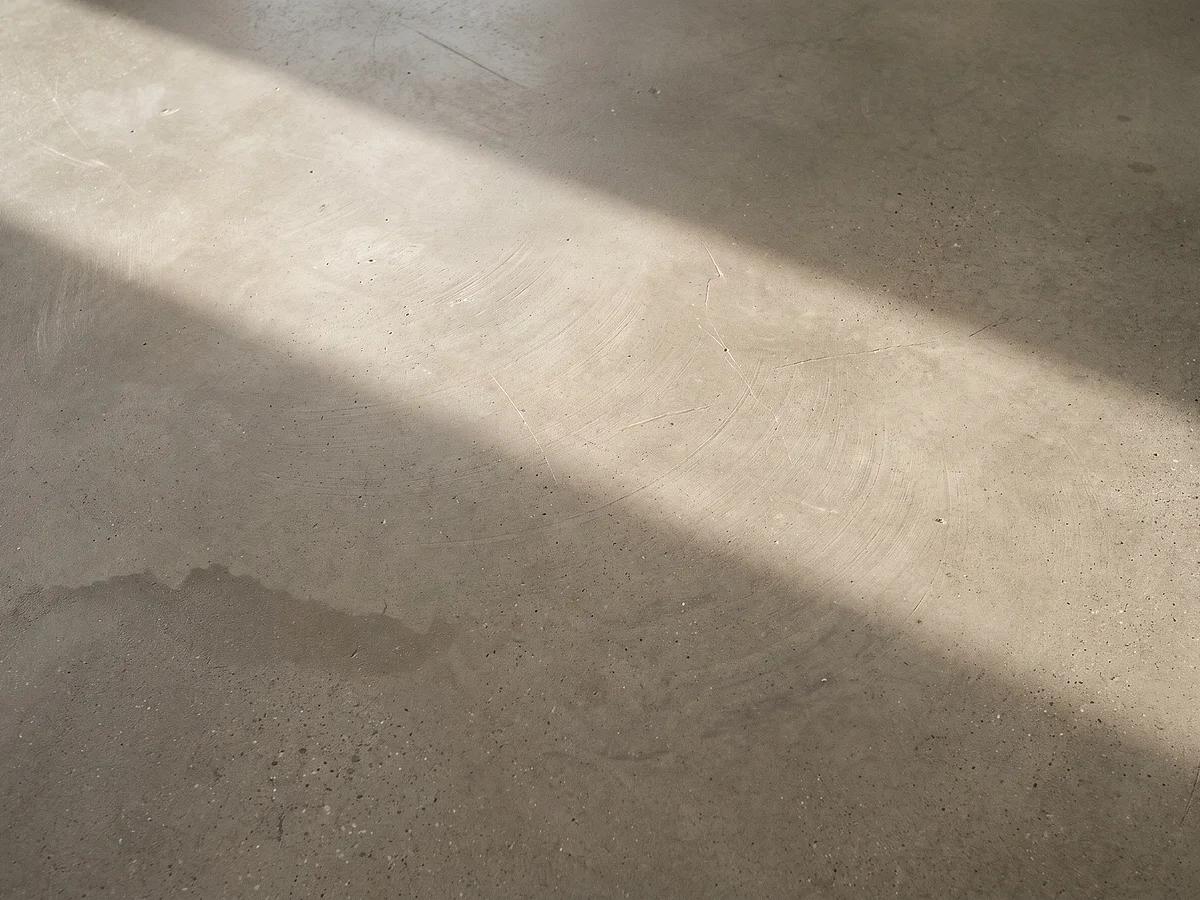
  • A burnished concrete floor: the slab left closed and unopened, buffed to a soft even lustre with wide overlapping pad arcs across it.

    Burnished Concrete

    Burnished Concrete

    Is achieved by buffing the surface with a high-speed floor buffer.

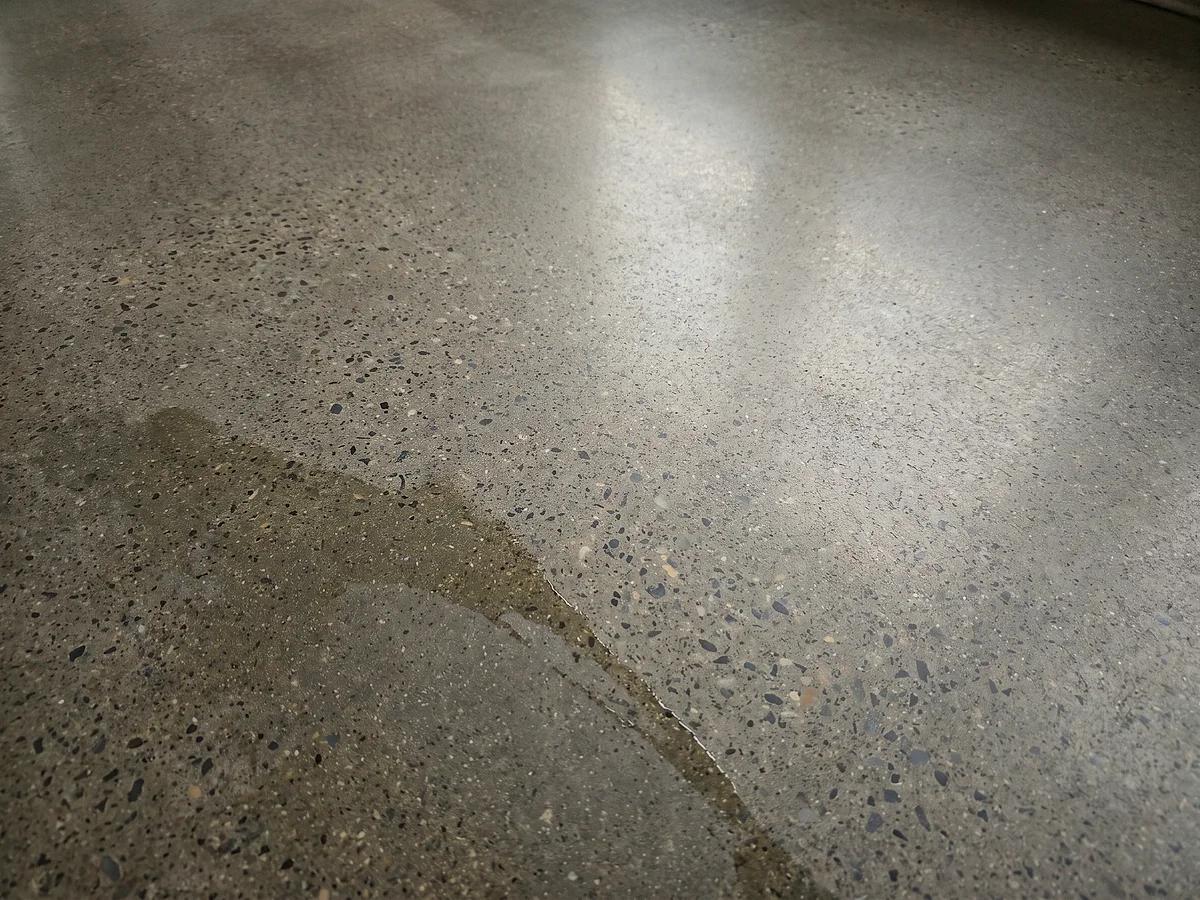
  • A honed concrete floor stopped at a matte finish, aggregate showing as an even speckle with no gloss and a thin film of water over part of it.

    Honed Concrete

    Honed Concrete

    Is ground with fine diamonds but not polished to a shine, which leaves a matte finish.

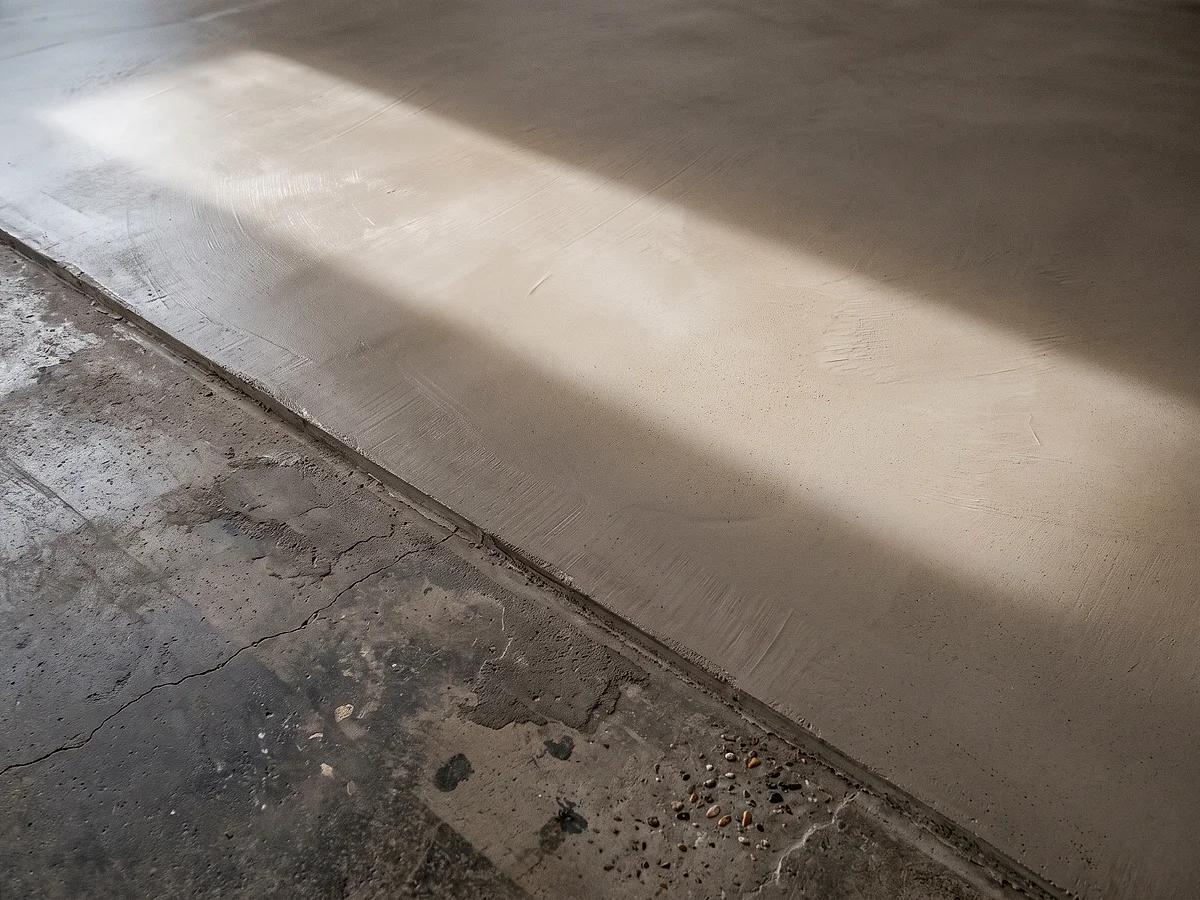
  • A thin cementitious overlay stopping in a feathered edge across an older slab, the new bone-grey surface beside the darker patched concrete.

    Concrete Overlays

    Concrete Overlays

    Are thin layers applied over an existing surface.

  • Not sure which type fits your floor?

    Tell us what the floor has to take all day and we will tell you which of these is the right one for it.

    Call +1 844-876-5474

How it goes

What Is The Process For Concrete Polishing?

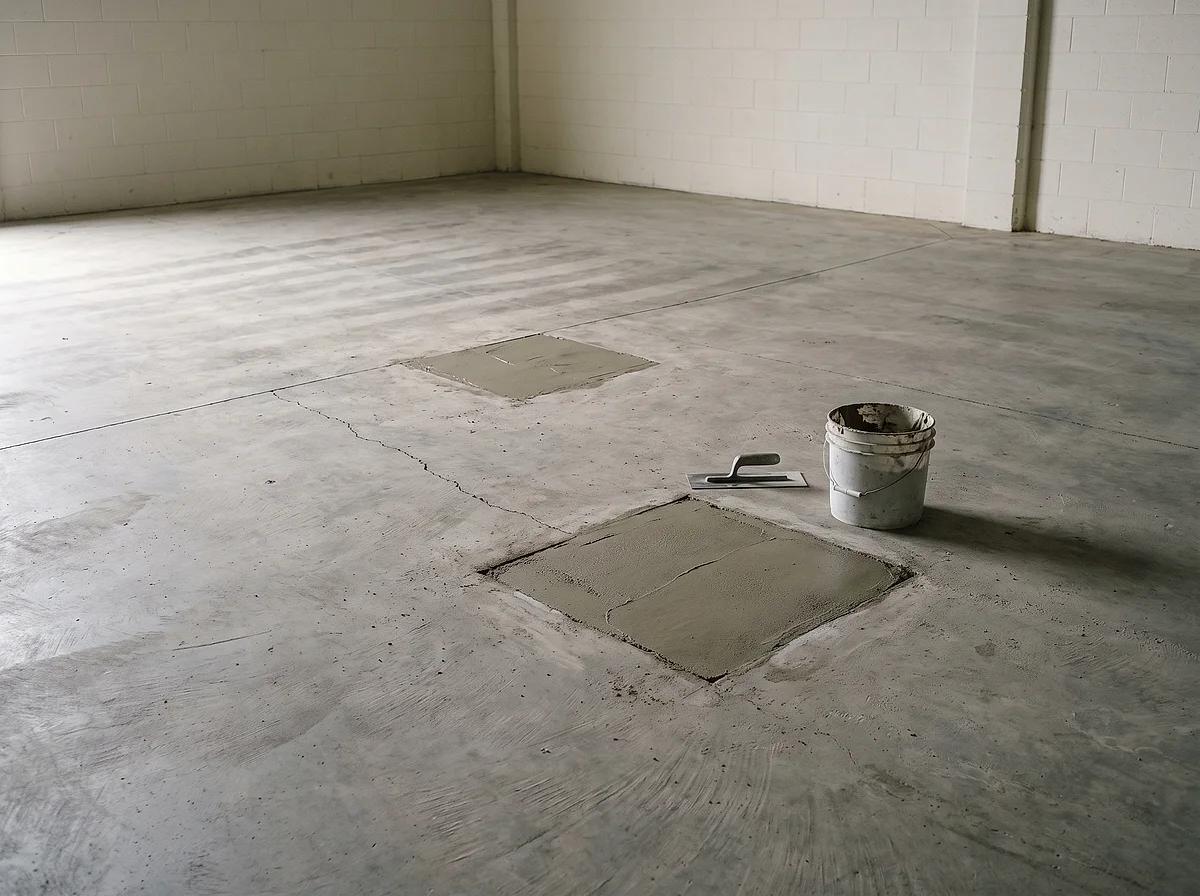
  1. Two square patch repairs filled with fresh mortar in a bare concrete slab, a trowel and a pail of mortar set down beside them

    CONCRETE PREPARATION

    The most important step in preparing your concrete floor to be polished. We use our diamond grinding process to cut through the surface to make the concrete smooth. We repair any cracks or imperfections during this step of the process and make sure there is nothing on the floor.

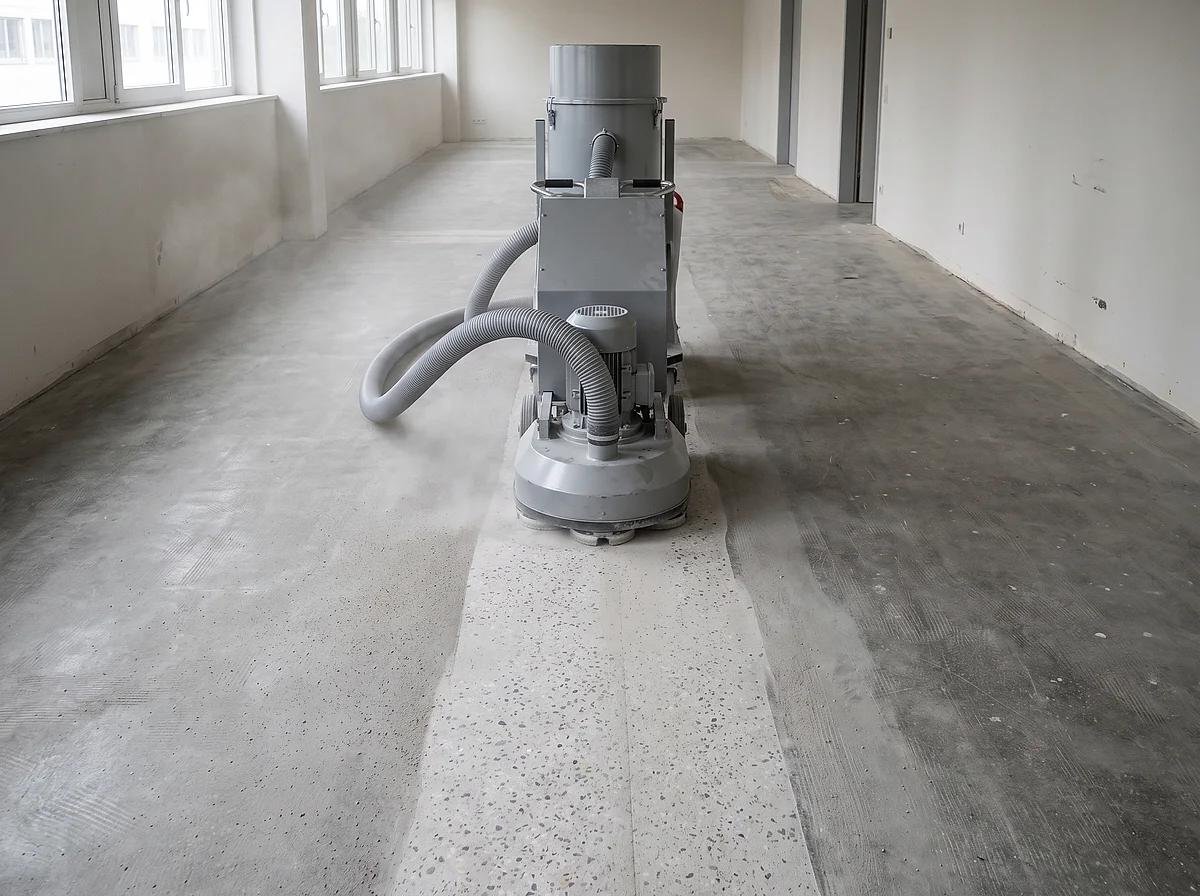
  2. A walk-behind floor grinder with dust extraction standing on a concrete slab, a wide band ground open in front of it exposing the aggregate

    DIAMOND GRINDING

    Diamond grinding is the process of cutting through the surface of the floor with an industrial-grade concrete grinder that uses a specialized set of diamond grits to expose the unfinished concrete.

    The cutting is done with metal-bond diamonds, on a typical job at 30, 70 and 120 grit. The slab decides where we start.

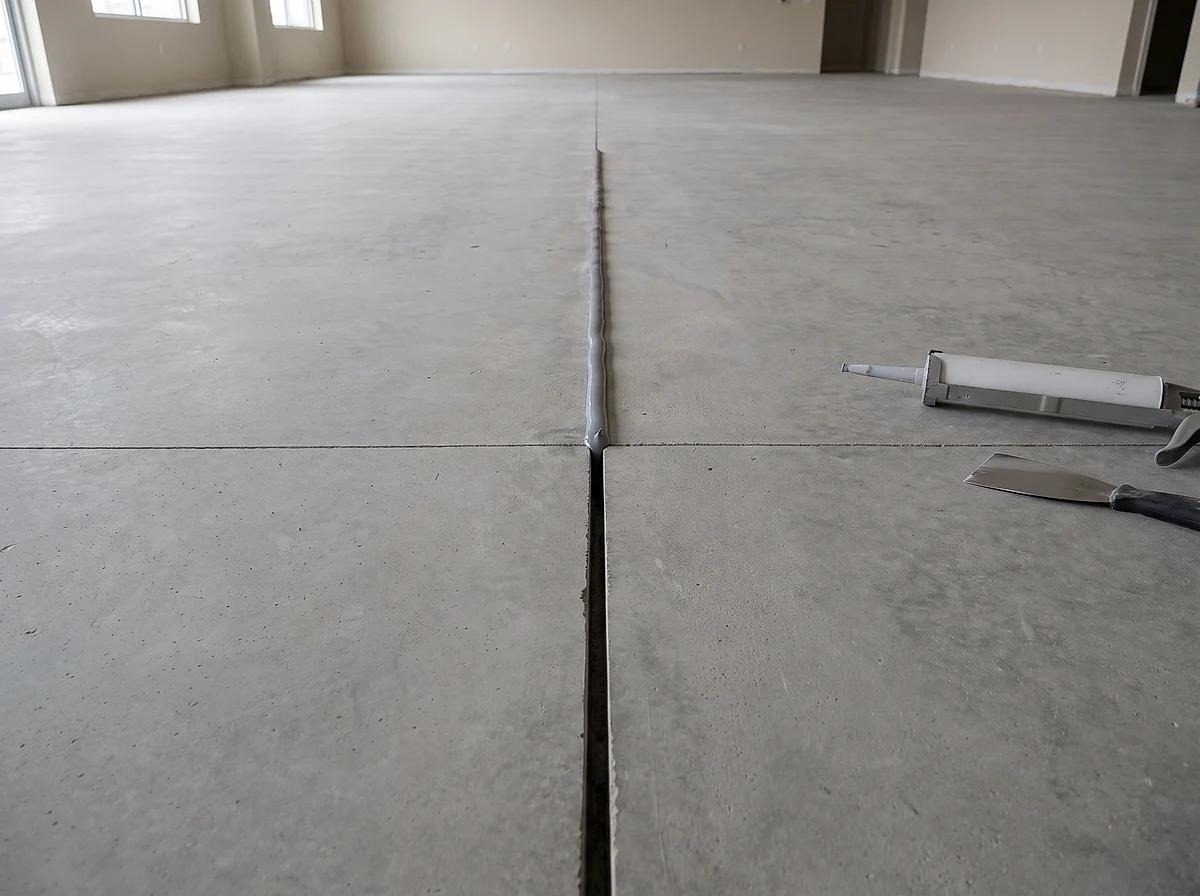
  3. A saw-cut joint across a concrete slab, filled with a smooth bead along the far half and still open nearest the camera, a cartridge gun beside it

    JOINT FILLER

    When needed, we apply joint filler to all control and expansion joints. We are also able to apply a further grout coat to any small cracks and holes.

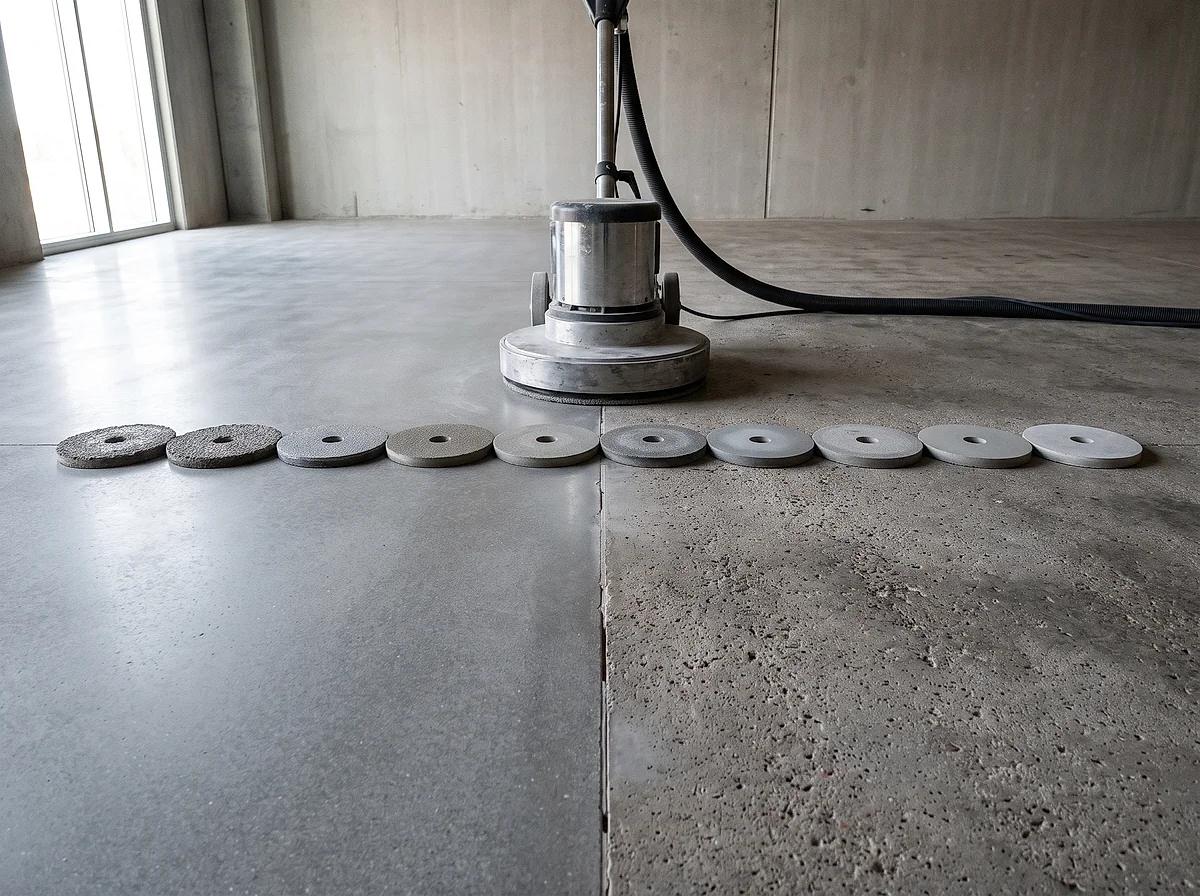
  4. A row of diamond honing pads laid out coarse to fine on a concrete floor, honed surface on one side of the working line and coarse ground surface on the other

    CONCRETE HONING

    This is where we grind the floor down over and over again using progressively lighter diamond blades so it really looks great. This honing process is where you really get the polished finish to look great.

    Resin-bond diamonds take over at 50, 100 and 200 grit. The densifier goes on after that, followed by 400 and 800 grit.

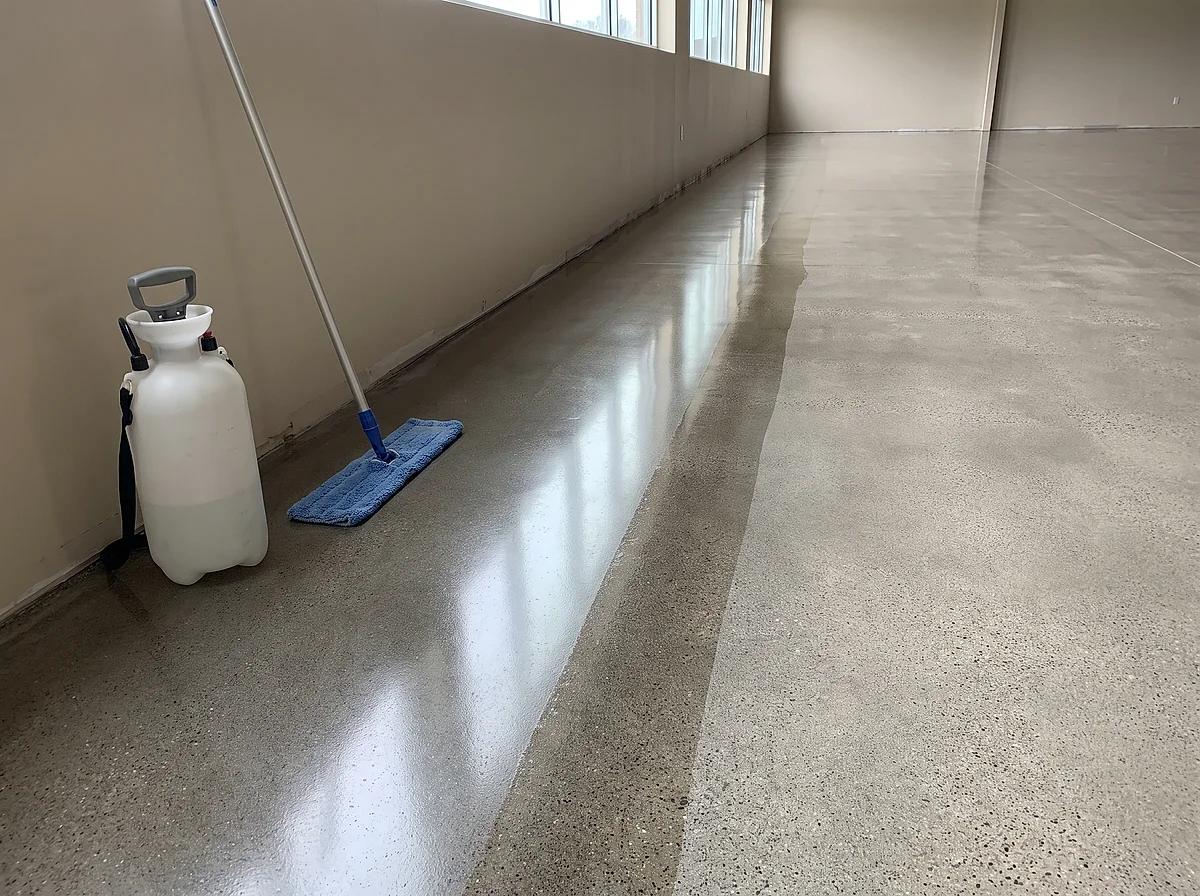
  5. A polished concrete floor with daylight running down it as a long soft reflection, a pump sprayer and a pad on a handle at the wall

    POLISHING

    This is where you choose how you want your floor to look. We polish the floor with bonded abrasives and densifiers/hardeners to harden it and make it more resistant to dust and stains. Spills still need to be wiped up quickly. We can also add stains and different coats to make the floor shine more or less depending on your needs.

    Our common finish is 800 grit, and the job closes with a guard and a high-speed burnish. For more shine we go on to 1,500 or 3,000 grit.

Dry, Wet and Chemical Polishing

Three terms describe how a floor is polished. Dry and wet describe how the grinding runs, and crews can use both on one floor: wet for the first steps, dry for the final shine. The choice depends on the condition of the floor and the building it sits in. Chemical describes what hardens the surface, and our typical sequence includes it either way.

Dry Polishing

The diamonds run without water, and a dust extractor connected to the grinder collects the dust. It suits buildings where water on the floor is a problem, and it can be taken to a high gloss.

Wet Polishing

Water runs under the diamonds to cool them and keep the dust down. On hard concrete it makes the diamonds last longer, and in the first steps it helps take out the scratches the coarse metal diamonds leave. The slurry it makes has to be collected and disposed of, and the rules differ by location.

Chemical Polishing

After grinding, a densifier soaks into the slab and hardens the surface. Densifiers work by reacting with calcium hydroxide near the surface, so how much they help depends on how hard the slab is to begin with.

Choosing the Sheen and the Aggregate Exposure

Two choices decide how the finished floor looks. Sheen is how much light it reflects. Aggregate exposure is how much of the stone inside the slab shows, and that depends on how deep we grind.

  • Sheen

    It runs from low gloss through medium and high gloss to very high gloss, and each step up takes finer diamonds.

  • Cream

    The top layer of the slab stays intact and almost no stone shows. It needs the least grinding.

  • Salt and pepper

    A light cut brings up fine sand and small specks of aggregate across the floor.

  • Full aggregate

    A deeper cut opens up the larger stone. Exposing coarse aggregate produces a terrazzo look, and it takes more grinding passes, so it adds time to the job.

What Are The Benefits of Polished Concrete?

Polished concrete floors are a popular choice for many settings. They're Durable, able to withstand high foot traffic and resist wear. The Low Maintenance nature of polished concrete means it does not need wax. Aesthetic Versatility is another perk; these floors can be customized with colors and varying levels of sheen. Polished concrete is also Environmentally Friendly: refurbishing an existing floor instead of replacing it cuts waste.

The finished surface reflects light. The surface is smooth and has no fibers, so dust wipes off with a damp mop.

Where Can You Find A Polished Concrete Installer?

Choosing a polished concrete installer decides how the finish turns out. Companies like National Concrete Polishing take on projects nationwide. Here's what to consider when choosing a polished concrete contractor:

  • Proper Training

    Look for a team trained in concrete polishing.

  • Specialized Equipment

    The contractor should possess professional-grade grinding machines and other necessary equipment to achieve the desired finish.

  • Quality Materials

    Ask which densifier and guard the contractor uses, and ask to see the manufacturer's data sheet.

  • Insurance

    Always opt for a contractor with proper insurance coverage to safeguard against any potential risks or damages during the installation.

What Are The Negatives of Polished Concrete?

However, polished concrete isn't without its drawbacks. The flooring can be Hard and Cold, which might be uncomfortable for prolonged standing or walking. It can be Slippery When Wet, so tell us where the floor gets wet and we will choose the finish with that in mind. The Initial Cost can be high, especially for high-quality finishes. Lastly, despite its durability, it's Not Completely Resistant to spills and may require re-polishing over time, especially in high-traffic areas.

What Are The Differences Between Polished Concrete and Epoxy?

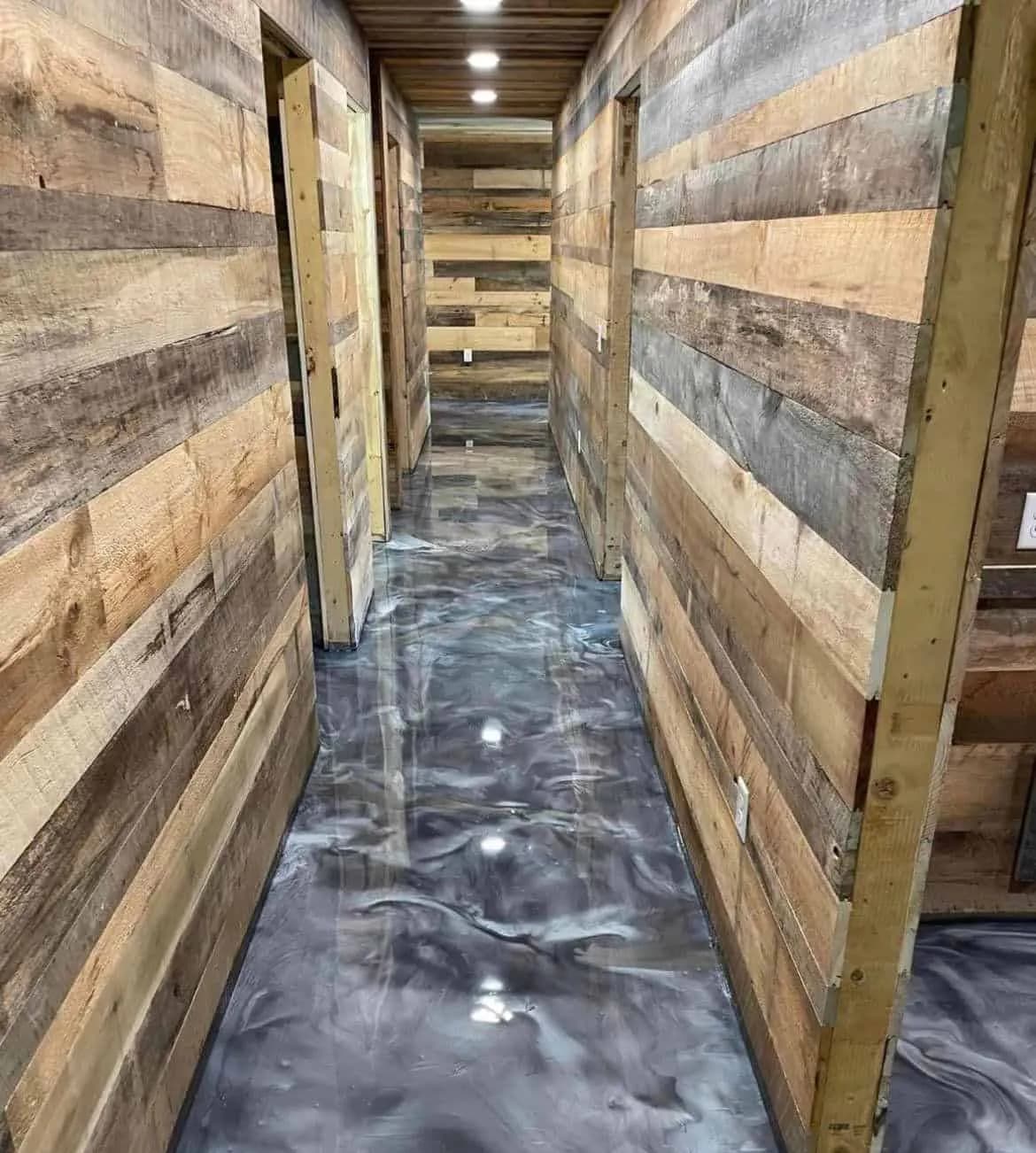
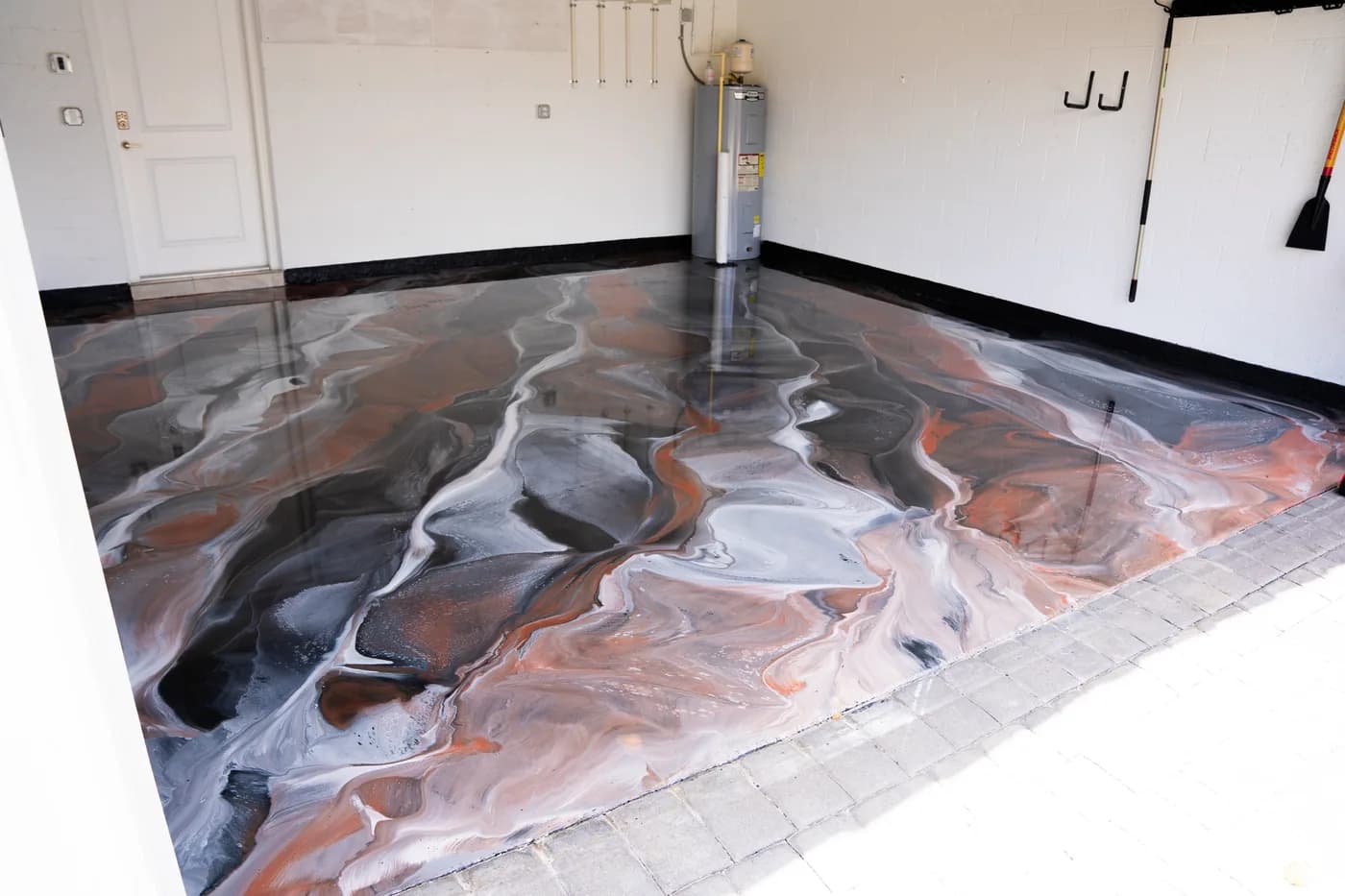
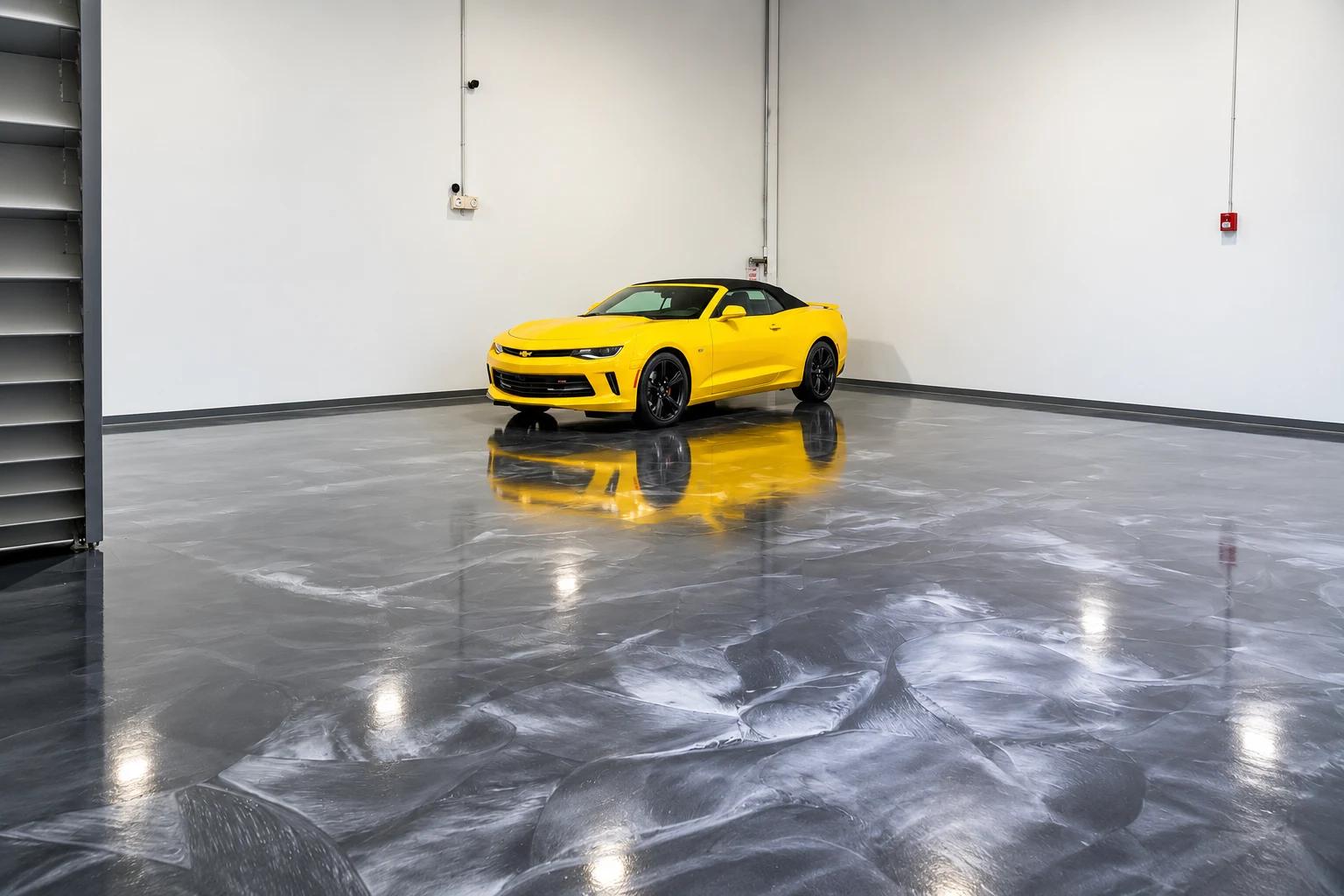
Polished concrete and epoxy flooring are both solid choices, but they differ in several key ways. Polished Concrete is ground through finer and finer diamonds to achieve its finish, whereas Epoxy Flooring involves applying a resin and hardener over a concrete slab, which has to be dry enough first. Epoxy comes in a wide range of colors and patterns, including metallic epoxy floors, while polished concrete shows the natural slab. How well an epoxy resists chemicals depends on the system, and the data sheet of the product lists it. Both need regular cleaning.

Polished Concrete or Grind and Seal?

Both start with the same diamond grinding. On a polished floor we keep going through finer diamonds until the concrete itself shines. A grind-and-seal floor stops earlier and gets a topical sealer.

Both wear with traffic and are renewed when they do. XPS describes its Xtreme Shield guard as a penetrating sealer and a sacrificial layer that needs periodic renewal.

Grind and seal is the cost-effective route, which makes it a fit for jobs where the budget leads.

How to Look After a Polished Floor

Upkeep is simple, and most of it comes down to keeping grit off the surface.

  • Sweep or dust-mop often

    Sand and grit work like sandpaper underfoot and dull the sheen.

  • Damp-mop with a neutral cleaner

    A pH-neutral cleaner works better than plain water, because water alone leaves the dirt behind.

  • Wipe up spills quickly

    Acids such as salsa or pickle juice can etch the surface if they sit.

  • Put mats at the doors

    They catch grit before it reaches the floor and take the wear on the busiest paths.

  • Burnish a dulled floor

    A high-speed burnish can bring back the shine on a floor that has dulled.

  • Renew the guard when it stops working

    How often that happens depends on traffic and cleaning, so we do not quote a fixed number of years. XPS, which makes one common guard, tells installers to check it once a year to decide when it needs renewing.

Densifier, Guard and Burnish

At National Concrete Polishing, the diamond steps are followed by a densifier that hardens the surface, then a guard and a high-speed burnish.

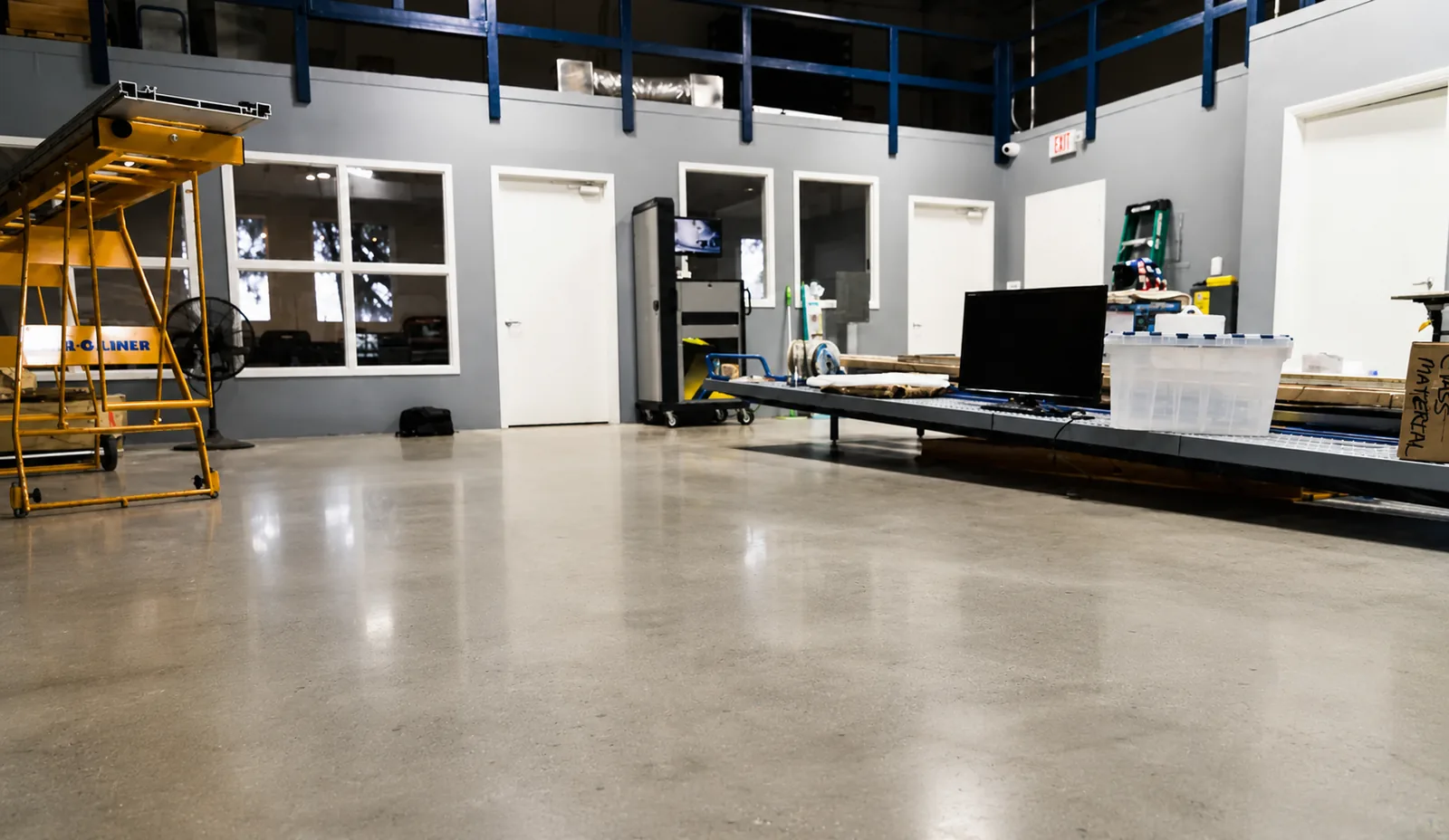
A polished concrete floor

A Data-Driven Approach to Floor Performance

We tailor each polishing job to the unique characteristics of your concrete slab. Whether it is a high-traffic warehouse, a retail space or an industrial facility, the grit sequence follows what the slab calls for.

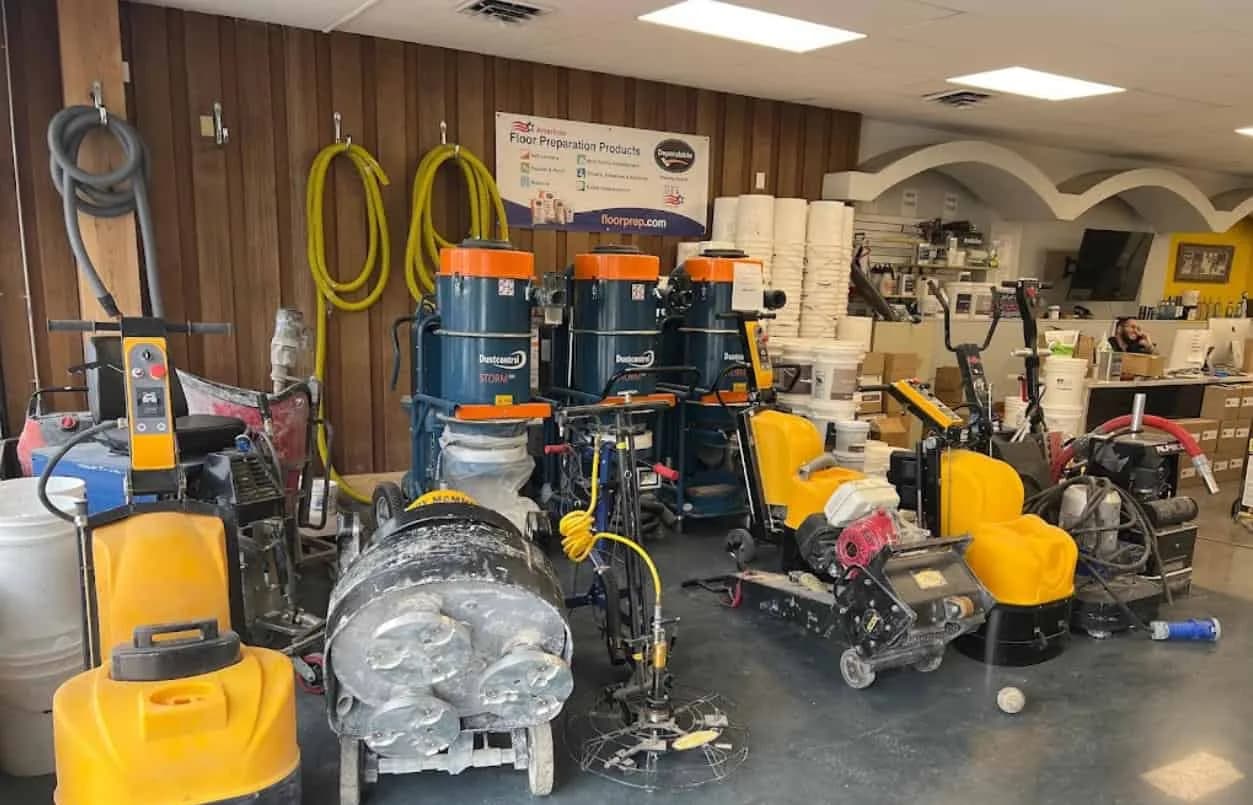
Diamond grinders and dust extractors

What customers say

What customers say on Google

4.0 out of 5, from 37 ratings on our Google profile. We do not hand-pick these.

Reviews powered by Google

Common questions

How long it lasts depends on the traffic, the cleaning, the guard and the condition of the slab, not on one fixed number.

Grinding concrete releases silica dust, which is why OSHA's construction standard for respirable crystalline silica lists floor grinders among the tools it controls, with either water or a dust collection system. In buildings that stay open, we work in phases, aisle by aisle or room by room, so the areas still open stay usable, and we work nights and weekends when the project calls for it.

Sweep or dust-mop often, damp-mop with a pH-neutral cleaner rather than plain water, wipe up spills quickly and skip wax. The full list is under How to Look After a Polished Floor on this page.

How long the shine lasts depends on the environment and usage. In industrial settings it may diminish faster because of heavy machinery and constant use. A shine that has dulled can often be refreshed with a high-speed burnish.

Floor condition sets most of the schedule. Old coatings or glue to remove, cracks to repair and a damp slab each add time, and so do a deeper aggregate exposure and a lot of edge work around walls and columns. A bare polished floor can take traffic the same day, after the final clean. With a guard or sealer, allow about 24 hours. For commercial work, we give you the dates in writing along with the price.

Yes, once the concrete has cured and hardened. Harris, writing in Concrete International, points to at least 28 days after placement as a good starting point, but hardness, not the calendar, is the real test. When a project follows ACI 310.1, the surface has to read above 4 on the Mohs scale before polishing starts, and Type IL cement can need more time. We test the slab before we price the job.

Yes. Tile, vinyl, glue and old coatings come off first, because diamonds and densifier cannot work through them. Then we fill cracks and holes and level the surface. Filled cracks can stay faintly visible, and polishing does not stop new hairline cracks from forming.

Yes. The large grinders cannot reach the perimeter, so the edges get a separate pass with a smaller grinder. The edge pass has to blend with the main pass, or it leaves a halo along the walls.

Something we did not answer?Call +1 844-876-5474

Tell us about the floor

Tell us the space and roughly how big it is.We come back with what it would cost and when we could start.

Step 1 of 2: About the floor

  1. Step 1: About the floor
  2. Step 2: How to reach you
About the floor

We will tell you straight away how your area is covered.

The visit and the written price are free. No mailing list.

We call back within one business day.

How to reach you

The visit and the written price are free. No mailing list.

We call back within one business day.