
The NCP blog
How to Install Commercial Flooring Without Shutting Down Operations
Commercial9 min read
Nights, weekends and phased sections. How a commercial floor gets replaced while the operation keeps running.
Facility downtime costs the average U.S. manufacturing business approximately $260,000 per hour in 2026. If you are considering a commercial flooring upgrade, you may be wondering how to complete the project without shutting down your operations. We have the right article for you, covering rapid-cure materials, phased scheduling, and expert installation techniques to keep your business running smoothly.
The True Cost of Facility Downtime During Renovations
Shutting down a commercial space for maintenance directly impacts your financial bottom line. Retail stores, warehouses, and manufacturing plants lose significant revenue during extended closures. Research from the International Facility Management Association shows that unexpected closures account for a 15 percent drop in quarterly productivity. It is essential to calculate these indirect costs when planning any facility upgrades.
Traditional concrete resurfacing often requires days of curing time. This extended waiting period is generally unacceptable for modern commercial businesses. Advanced chemical formulations now allow contractors to bypass these lengthy delays entirely. Our professionals at NCP utilize these modern systems to keep your doors open while delivering exceptional results.
As Sarah Jenkins, Director of Facilities Management at the International Facility Management Association, explains: “Minimizing operational disruptions during infrastructure upgrades is a primary mandate for modern facility managers.” Upgrading your facility without pausing production requires strategic planning and superior materials. You must align your renovation schedule with your natural business cycles.
How Zero-Downtime Commercial Flooring Installation Works
Zero-downtime installation relies on isolating specific work zones within a larger facility. Contractors divide the floor plan into manageable sections that can be prepared, coated, and cured overnight. Employees and customers safely navigate around the active work area using designated walkways. This strategy ensures your daily operations continue without significant interference.
Communication is vital to executing a seamless phased project. Facility managers must coordinate closely with the installation team to map out daily progress zones. It is advisable to schedule the most disruptive tasks during your lowest traffic hours. Proper signage and temporary barricades further maintain safety and workflow efficiency.
Advances in material science play a massive role in this process. Installers now utilize products that harden rapidly without emitting dangerous fumes. These technological improvements allow spaces to be returned to full service in a fraction of the traditional timeframe. You can upgrade your industrial space without sacrificing a single shift of production.
Top Flooring Materials for Rapid Turnaround
Selecting the appropriate material is the foundation of a successful rapid installation. Different commercial environments require specific performance characteristics from their flooring systems. High-traffic retail spaces have very different demands compared to heavy-duty manufacturing plants. It is essential to evaluate your specific durability requirements before choosing a coating.
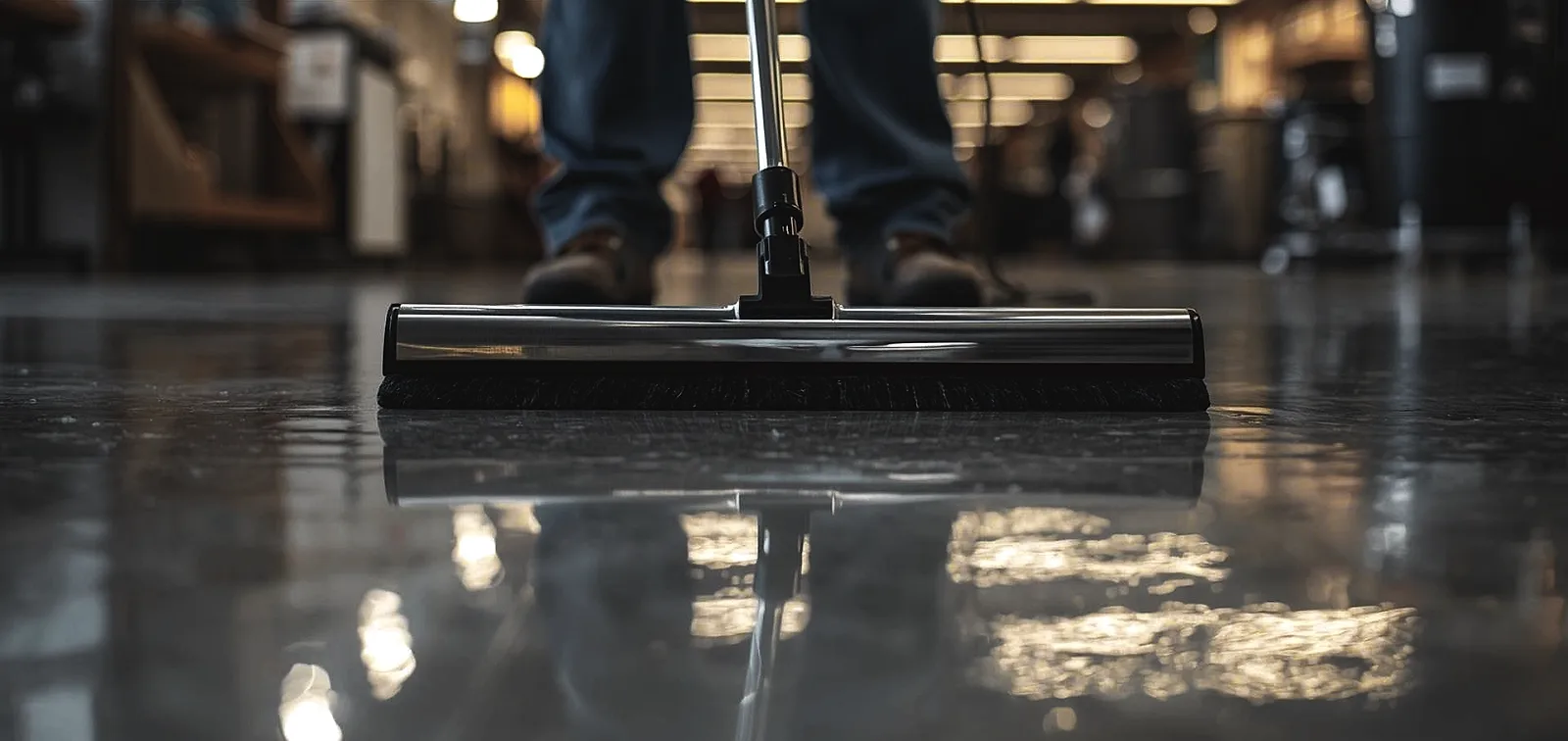
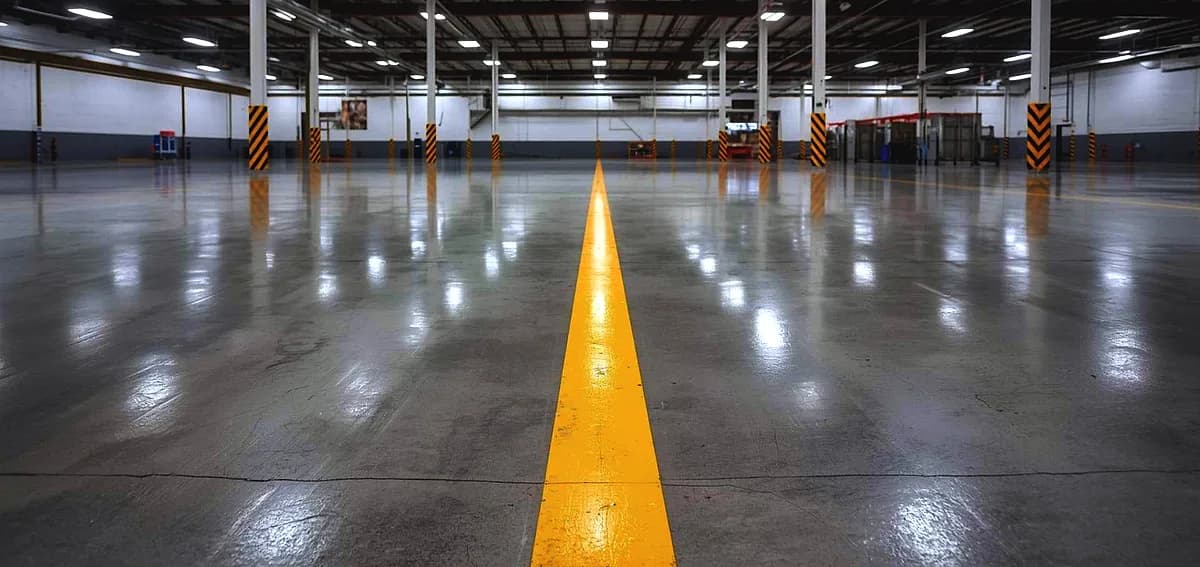
Polished concrete remains one of the most efficient options for commercial spaces. The mechanical polishing process requires zero drying time because no topical coatings are applied. Once the grinders finish their final pass, the floor is immediately ready for foot and forklift traffic. This method also provides exceptional longevity and low maintenance costs.
Polyaspartic coatings are another excellent choice for fast-paced commercial environments. These synthetic resin systems cure much faster than traditional 100% solids epoxy. A properly applied polyaspartic floor can accept foot traffic in as little as four to six hours. This rapid cure time makes it ideal for overnight restaurant or retail renovations.
| Material Type | Average Cure Time | Durability Level | Best Application |
|---|---|---|---|
| Polished Concrete | Immediate (No Cure) | Very High | Warehouses, Retail |
| Polyaspartic Coating | 4 to 6 Hours | High | Garages, Showrooms |
| Fast-Cure Epoxy | 12 to 24 Hours | Extreme | Heavy Manufacturing |
Steps to Execute a Seamless Flooring Upgrade
Executing a flooring project in an occupied building requires strict adherence to a proven methodology. Skipping steps to save time will inevitably lead to premature coating failure. Our experts follow a rigorous process to ensure maximum adhesion and durability.
- Comprehensive Site Evaluation: Installers test the existing concrete for moisture vapor transmission and structural integrity.
- Strategic Schedule Development: The project manager divides the floor plan into distinct daily work zones.
- Mechanical Surface Preparation: Heavy-duty grinders remove old coatings and open the concrete pores for new adhesion.
- Damage Repair: Technicians fill cracks and address areas with spalling (flaking or chipping) using fast-setting polyureas.
- Coating Application: The chosen resin or polish is applied systematically within the isolated zone.
- Curing and Quality Assurance: The area is secured for a brief curing window before being reopened to traffic.
It is essential to prioritize mechanical surface preparation over chemical etching. Grinding the concrete creates a physical profile that allows polymer-modified overlays to bond securely. Polymer-modified overlays are cement blends enhanced with synthetic resins for added flexibility. Proper preparation is the primary factor in determining the lifespan of your new floor.
Mitigating Dust and Odor During Installation
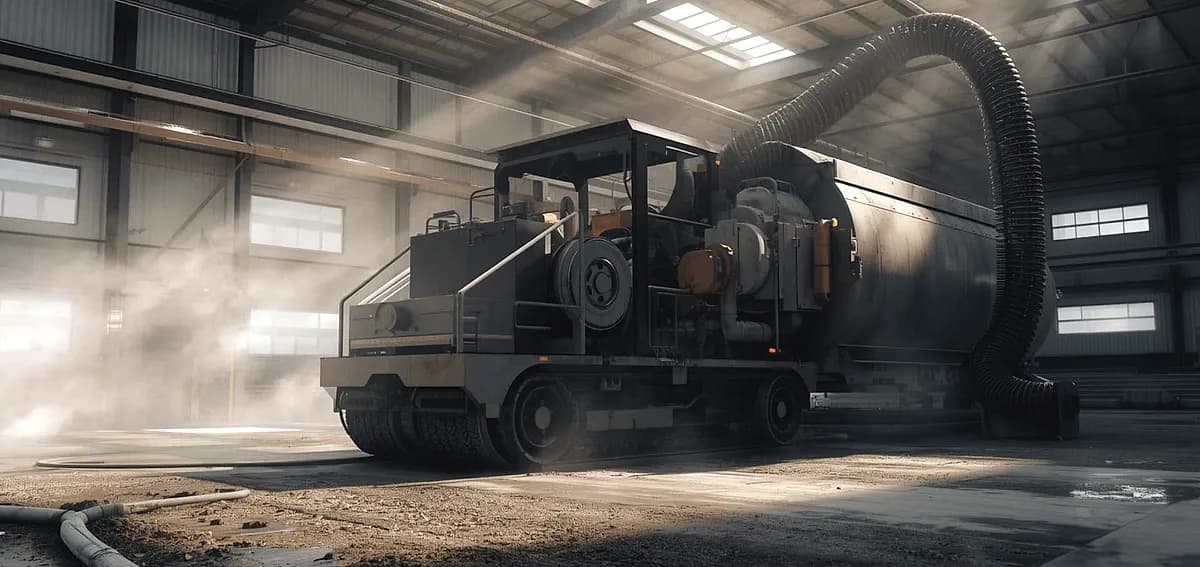
Managing airborne particulates is a major concern when working in an active commercial facility. Concrete grinding generates a substantial amount of fine silica dust. To combat this, professional installers use specialized equipment designed for indoor air quality protection. It is advisable to verify your contractor’s dust mitigation protocols before signing a contract.
We utilize industrial-grade vacuums equipped with High-Efficiency Particulate Air (HEPA) filters. These vacuums connect directly to the grinding machines to capture dust at the source. This closed-loop system captures up to 99.9 percent of airborne particulates instantly. Keeping the air clean protects your employees and prevents dust from settling on your inventory.
Odor management is equally critical for keeping your facility open during renovations. Traditional epoxies often release strong odors that can irritate staff and customers. Today, we utilize zero-VOC or low-VOC (Volatile Organic Compound) materials. These eco-friendly products comply with strict indoor air quality standards and eliminate disruptive smells.
Expert Strategies for Phased Installation Schedules
A phased installation breaks a massive flooring project into smaller, digestible components. Instead of tackling a 50,000-square-foot warehouse at once, we might complete 10,000 square feet per night. This method requires precise logistical coordination to move inventory and machinery safely. The goal is to create a moving bubble of construction that minimally impacts workflow.
Weekend and overnight scheduling are the most common strategies for zero-downtime projects. Contractors arrive after your facility closes and work through the night to prepare and coat a section. By the time your morning shift arrives, the fast-curing materials have fully hardened. This seamless transition requires highly skilled technicians who can adhere to strict timelines.
Communication protocols must be established early in the planning phase. Your staff needs clear instructions on which areas to avoid during specific days. Creating a visual map of the weekly progress helps department heads adjust their internal schedules accordingly. Ensure that your operations team remains in daily contact with the project supervisor.
Regulatory and Safety Considerations
Upgrading commercial floors in an occupied space involves strict adherence to safety regulations. The Occupational Safety and Health Administration maintains rigorous guidelines for indoor construction. Protecting your workforce from slip hazards, chemical exposure, and tripping risks is paramount. Reputable contractors always prioritize safety above speed.
As Marcus Thorne, Lead Safety Inspector at the Occupational Safety and Health Administration, emphasizes: “Managing airborne particulates during occupied renovations is critical for worker safety and regulatory compliance.” Proper ventilation and physical barricades are mandatory requirements for these environments. We strictly follow all federal guidelines to ensure a secure worksite.
Furthermore, the finished floor must meet industry standards for slip resistance. Areas prone to spills require specialized textured additives to maintain traction when wet. We incorporate specialized aggregates into our resinous coatings to achieve the required coefficient of friction. It is essential to discuss your specific safety requirements during the initial consultation.
Evaluating Your Existing Concrete Substrate
Not all concrete slabs are immediately ready for a rapid-cure flooring system. The condition of your existing subfloor dictates the level of preparation required. Slabs suffering from deep freeze-thaw cycles or extensive cracking need restorative work first. Freeze-thaw cycles refer to temperature fluctuations that cause moisture inside the concrete to expand and contract.
Moisture vapor transmission is another common issue that must be addressed early. If moisture rises through the concrete slab, it can cause impermeable coatings to blister and fail. We conduct standardized calcium chloride tests to measure the exact moisture emission rate. If levels are too high, we apply a specialized moisture mitigation primer before proceeding.
As Dr. Robert Vance, Senior Materials Engineer at the American Concrete Institute, notes: “Recent advancements in polyaspartic coatings allow for return-to-service times of under six hours, but they require pristine subfloor preparation.” The concrete must generally possess a minimum compressive strength of 3,000 PSI to support heavy commercial traffic. We assess these structural metrics to ensure your new floor lasts for decades.
Frequently Asked Questions
What is the fastest curing commercial flooring material?
Polyaspartic coatings generally offer the fastest turnaround times in the commercial flooring industry. These advanced materials can cure and accept foot traffic in as little as four to six hours. It is essential to work with experienced contractors to apply them correctly under the right conditions.
Can you install epoxy over an existing damaged floor?
Yes, but the existing floor must be meticulously repaired and prepared first. We use fast-setting polyurea fillers to repair cracks and spalling before applying any new coatings. Failing to repair the substrate will cause the new epoxy to fail prematurely.
Is polished concrete slippery for commercial use?
Polished concrete may look like glass, but it is actually highly slip-resistant when kept clean and dry. It generally meets or exceeds the safety standards set for commercial facilities. We can also add subtle traction treatments if your facility frequently deals with liquid spills.
How do you handle dust during concrete preparation?
We utilize industrial-grade HEPA vacuums connected directly to our specialized grinding equipment. This advanced setup captures up to 99.9 percent of airborne particulates right at the source. Maintaining a dust-free environment is vital for operating safely in occupied commercial spaces.
Are there strong odors during a resinous floor installation?
Modern flooring technology allows us to use low-VOC and zero-VOC materials. These specialized formulations emit virtually no disruptive odors during the application or curing process. This eco-friendly approach is perfect for occupied retail spaces and healthcare facilities.
Will a phased installation cost more than a standard closure?
A phased, after-hours installation may incur slightly higher labor rates due to overnight work. However, this minor increase is vastly offset by the revenue you save by keeping your facility open. You avoid the massive indirect costs associated with halting your business operations.
Final Thoughts
Upgrading your commercial flooring no longer requires shutting down your business and losing valuable revenue. By leveraging fast-curing materials like polyaspartic coatings and polished concrete, you can modernize your facility efficiently. Phased scheduling, advanced dust mitigation, and strategic planning ensure your daily operations continue uninterrupted. Our professionals at NCP are ready to guide you through a seamless, zero-downtime installation process. Contact our team today to discuss your upcoming commercial flooring project.
References
Written by

Founder and CEO
Chris Lavin is an esteemed leader in concrete polishing and epoxy coatings with a distinguished 20-year career. As founder and CEO of National Concrete Polishing and owner of Xtreme Polishing Systems, he's renowned for polishing and epoxy coating more floors than anyone globally. Chris is recognized for his innovative approach and commitment to enhancing floor durability and aesthetics. His hands-on experience and technical proficiency make him a respected authority and a valuable resource in the field of floor polishing and coatings.
Same topic
Related articles
All stories
Commercial9 min read
How Polished Concrete Solves Office Acoustic Problems
Hard floors and noise complaints. What polished concrete does to sound in an open office, and how to spec around it.
Read it
Commercial10 min read
Flooring for Hotel Wet Areas, Kitchens, and Parking Decks
Kitchens, pool decks and parking structures punish a floor daily. Which systems hold up in hotel service areas, and why.
Read it
Commercial11 min read
Specifying Floors for a New Hotel Build
For owners and architects on a new build. What to write into the flooring spec so the hotel opens on a floor that lasts.
Read it
Tell us about the floor
Tell us the space and roughly how big it is.We come back with what it would cost and when we could start.
Prefer to talk? Call +1 844-876-5474
- Leads@
nationalconcretepolishing.net - 2200 NW 32nd St #600,
Pompano Beach, FL 33069 Mon to Fri, 9:00 to 5:30