
The NCP blog
Floor Systems for Cannabis Cultivation, Processing, and Dispensaries
Commercial10 min read
Cultivation, processing and retail each need a different floor. The systems that pass inspection and survive the daily washdown.
The average cost to install industrial-grade flooring in a commercial cannabis facility ranges from $6 to $14 per square foot in 2026. If you are researching surface solutions for your cultivation center, processing lab, or dispensary, you may be wondering which system meets strict agricultural and hygienic standards. We have the right article for you, covering material comparisons, regulatory compliance, and professional installation requirements to protect your concrete slabs.
Regulatory Compliance And Hygiene Requirements In 2026
Cultivation centers and processing labs face strict regulatory scrutiny regarding cleanliness and environmental control. High humidity levels, constant foot traffic, and the frequent use of harsh sanitizing chemicals create a demanding environment for standard concrete slabs. The flooring system you choose must withstand these operational stresses while preventing the absorption of water, fertilizers, and organic plant materials. In 2026, compliance with local agricultural regulations demands surfaces that leave no room for mold or microbial growth.
According to the U.S. Department of Agriculture, agricultural processing facilities must utilize materials that are easily cleanable and highly resistant to chemical degradation. Unprotected concrete is naturally porous, allowing moisture and organic matter to seep into the slab. This porosity creates breeding grounds for bacteria, which can jeopardize entire harvests. Data from facility inspections indicates that improper surface sealing accounts for nearly 85 percent of persistent microbial contamination issues in commercial growing spaces.
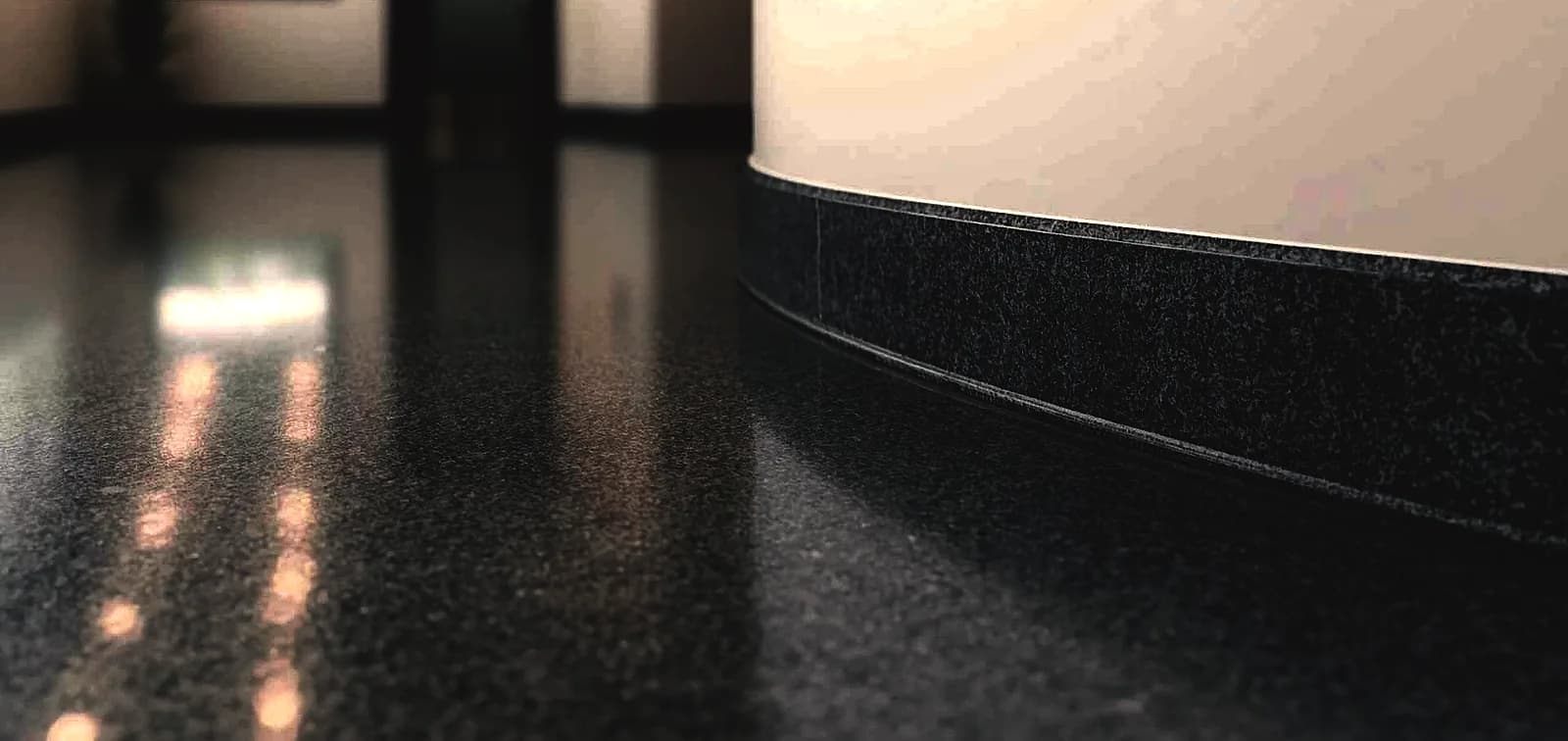
To meet Good Manufacturing Practices (GMP), facilities must install seamless flooring systems with integral cove bases. A cove base extends the floor coating a few inches up the wall, creating a curved, seamless transition. This eliminates sharp 90-degree corners where dirt, water, and pathogens typically accumulate. As Sarah Jenkins, Lead Agronomist at National Indoor Cultivation Standards, notes: ‘Seamless flooring with integral cove bases is mandatory for maintaining strict microbial control in wet processing environments.’
Evaluating Floor Systems For Cultivation Centers
Selecting the right protective coating requires analyzing the specific activities performed in each zone of your building. A dispensary showroom has vastly different operational demands than an extraction lab handling corrosive solvents. Understanding the technical properties of each material ensures long-lasting performance and structural safety.
High-Performance Epoxy Resin Systems
Epoxy coatings are highly favored in vegetative and flowering rooms due to their seamless application and excellent chemical resistance. These systems cure to form a rigid, non-porous barrier that repels water, nutrient spills, and standard cleaning agents. For slabs with minor surface imperfections, contractors often utilize self-leveling overlays (a thick, flowable polymer mixture) before applying the final topcoat. This creates a perfectly flat surface, which is critical for the proper drainage of irrigation runoff.
While epoxy is exceptionally durable, standard formulations have limitations in areas exposed to rapid temperature changes. Under normal conditions, a professionally installed industrial epoxy floor boasts a lifespan of 5 to 7 years before requiring a recoat. It is highly effective for general cultivation zones, packaging rooms, and staff corridors where heavy equipment traffic is moderate.
Urethane Cement Coatings
Processing spaces and extraction labs demand the highest level of industrial protection. Urethane cement is a hybrid system combining urethane resin with specialized cementitious powders. It is uniquely engineered to withstand thermal shock (rapid temperature changes causing expansion and contraction in the slab). Facilities utilizing high-temperature steam cleaning or dealing with extreme cold from extraction equipment rely heavily on urethane cement to prevent surface cracking.
This material also provides superior resistance to organic acids and harsh industrial solvents. As Dr. James Harrison, Director of Materials Testing at the Industrial Surface Council, explains: ‘Urethane cement is highly effective in environments exposed to extreme temperature fluctuations and heavy chemical sanitizers, outperforming standard epoxy in severe industrial settings.’ It is the premier choice for demanding laboratory environments.
Polished Concrete Solutions
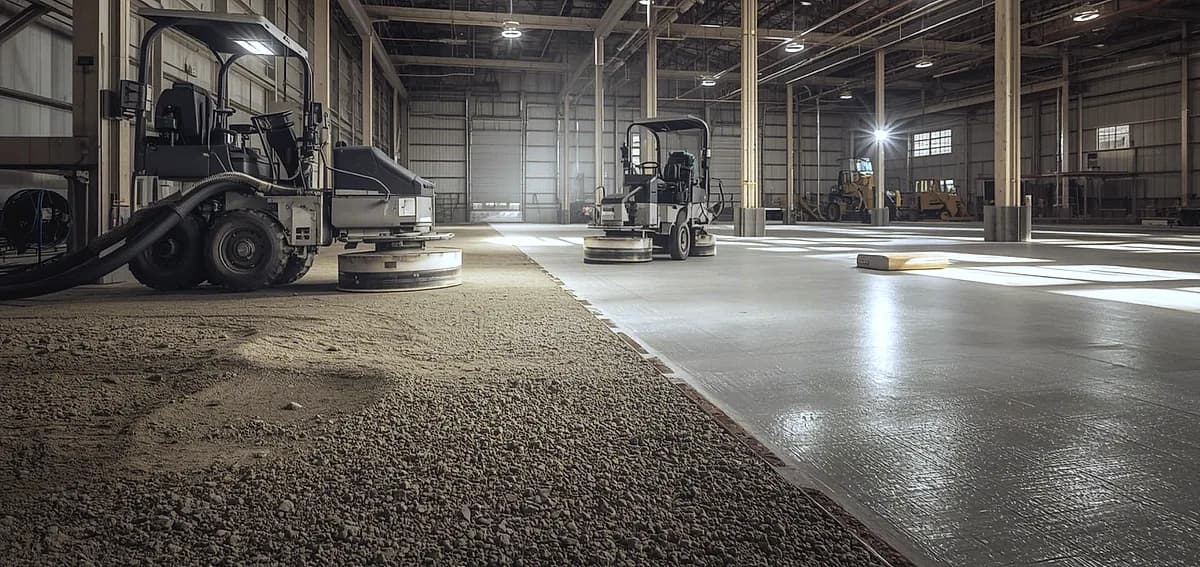
Dispensaries, lobbies, and dry storage warehouses benefit greatly from polished concrete. This process involves mechanically grinding the existing slab with progressively finer diamond abrasives until it reaches a desired level of gloss. Chemical densifiers are applied during the process to harden the surface, making it highly resistant to abrasion and heavy foot traffic. It is a highly aesthetic, cost-effective, and LEED-compliant option.
For older slabs displaying severe aesthetic damage, professionals may apply micro-toppings (ultra-thin concrete overlays) before polishing to create a pristine, uniform canvas. While polished concrete is extremely durable, it is not entirely chemical-proof or perfectly non-porous. Therefore, it is generally restricted to dry zones and retail areas rather than wet cultivation or extraction rooms.
Comparison Of Flooring Options For Cultivation, Processing, And Dispensaries
Understanding the strengths of each system allows facility managers to allocate their construction budgets efficiently. The following table breaks down the primary characteristics of the three most common industrial surfaces used in the agricultural sector.
| Flooring Material | Best Use Case | Thermal Shock Resistance | Chemical Resistance |
|---|---|---|---|
| Urethane Cement | Extraction labs, washdown areas | Excellent | Excellent |
| Epoxy Coatings | Cultivation rooms, packaging | Moderate | High |
| Polished Concrete | Dispensaries, dry storage | Low | Moderate |
Steps To Prepare And Install Facility Flooring
The longevity of any resinous system relies entirely on the quality of the surface preparation. Applying high-performance coatings over a poorly prepared slab guarantees rapid delamination and failure. Professional contractors follow strict, standardized procedures to ensure long-lasting adhesion.
- Moisture Vapor Testing: Contractors must measure the moisture emitting from the slab. High moisture vapor transmission forces coatings off the concrete. If levels exceed material specifications, a specialized moisture mitigation primer must be applied. Mechanical Profiling: The surface is prepared using shot blasting or heavy-duty diamond grinding. This removes old mastics, opens the concrete pores, and creates a rough profile for the base coat to grip. Concrete Repair: All cracks, joints, and areas of spalling (flaking or chipping) are filled with rigid epoxy or polyurea joint fillers to create a perfectly continuous surface. Primer and Base Coat Application: The primer penetrates the concrete, and the thicker base coat provides the structural body of the system. This step often includes constructing the integral cove base along the walls. Broadcasting Aggregates: Silica sand or aluminum oxide is broadcast into the wet base coat to create a slip-resistant texture. This is critical for worker safety in wet environments. Topcoat Sealing: A protective topcoat, often a UV-stable urethane or polyaspartic layer, is applied to seal the aggregates. Polyaspartic topcoats typically offer a fast 12 to 24-hour return-to-service time.
Cost Factors For Industrial Processing Environments
Budgeting for facility upgrades requires an understanding of the variables that influence pricing. The primary factor is the condition of the existing slab. Floors with extensive spalling, severe cracking, or high moisture readings require polymer-modified overlays and intensive repair work before any resin can be applied. These preparatory steps significantly impact the final project cost.
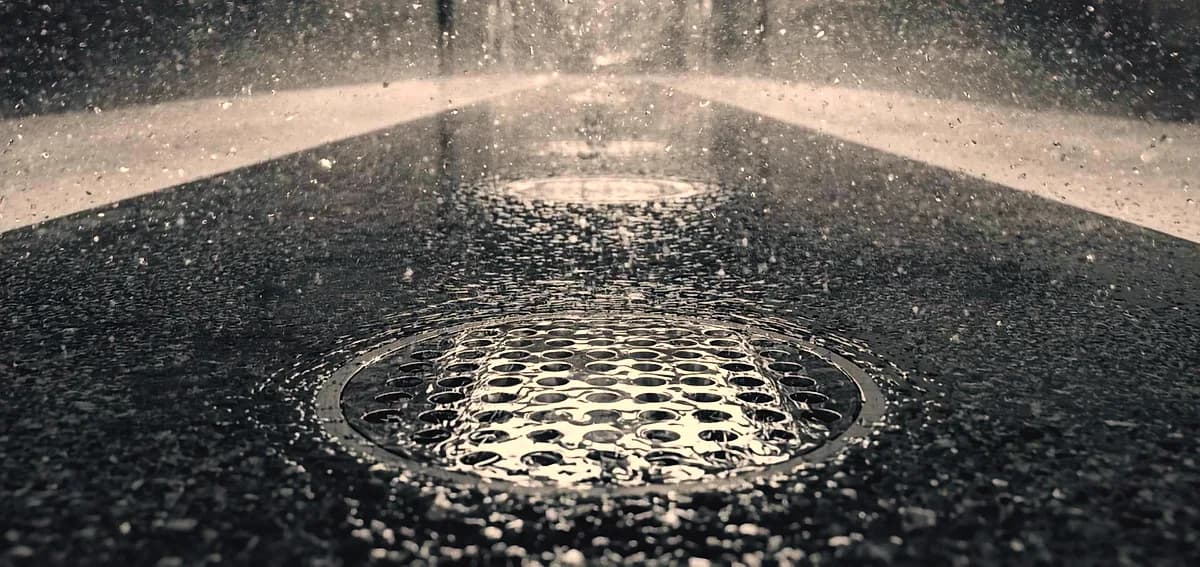
Square footage also plays a critical role due to economies of scale. Larger open spaces generally cost less per square foot to coat than small, compartmentalized rooms that require extensive hand-troweling around drains and machinery. Furthermore, specific safety mandates can alter the material requirements. According to the Occupational Safety and Health Administration, proper anti-slip surfaces are mandatory in agricultural washdown zones. Broadcasting specialized aggregates increases material costs but is necessary for compliance.
As Robert Chen, Chief Safety Officer at the Commercial Facility Bureau, explains: ‘Slip-resistant topcoats reduce workplace slip-and-fall incidents by up to 45 percent in wet processing areas, making them a crucial investment.’ Upgrading to highly resilient materials like urethane cement requires a larger upfront investment but yields lower maintenance costs over the facility’s lifespan.
Common Flooring Mistakes In Processing Facilities
Facility owners frequently attempt to cut costs by bypassing critical testing phases, which leads to catastrophic material failure. The most common error is ignoring moisture vapor transmission tests. Concrete acts like a sponge, drawing moisture from the ground below. When an impermeable epoxy traps this moisture, hydrostatic pressure builds until the coating bubbles and peels away.
Another frequent mistake is applying standard epoxies in environments subjected to freeze-thaw cycles or extreme heat. When heavy machinery undergoes high-temperature steam sterilization, the hot water hits the floor. If the flooring material does not expand at the exact same rate as the concrete beneath it, the bond shears apart. Selecting the correct chemistry, such as urethane cement for thermal zones, prevents this expensive error. Finally, relying on standard hardware store paints instead of industrial 100% solids epoxy leaves floors vulnerable to chemical burns from harsh fertilizers and cleaning agents.
Frequently Asked Questions
How Long Does It Take To Install Flooring In A Cultivation Room?
A standard epoxy or urethane cement installation typically takes three to five days, depending on the facility’s size and the concrete’s condition. Extensive surface preparation and moisture mitigation may add additional days to the timeline. Polyaspartic topcoats can accelerate the final curing phase.
Are Polished Concrete Floors Suitable For Grow Rooms?
Polished concrete is generally not recommended for active grow rooms or wet processing areas. Because it remains slightly porous, it can absorb water, nutrients, and organic material over time. It is, however, an excellent choice for dry dispensaries and administrative corridors.
What Is An Integral Cove Base?
An integral cove base is a seamless transition that curves the floor coating up the wall, usually between 4 to 6 inches high. It eliminates right angles where the floor meets the wall, preventing dirt and water from accumulating. This feature is strictly required to pass GMP hygiene inspections in agricultural settings.
How Do I Clean And Maintain Urethane Cement?
Urethane cement is incredibly resilient and can be cleaned with aggressive industrial sanitizers, including bleach solutions and heavy degreasers. It is designed to withstand high-pressure washing and high-temperature steam cleaning without degrading. Regular sweeping and mechanical scrubbing ensure long-term performance.
Can Epoxy Be Applied Over Damaged Concrete?
Yes, but the damaged concrete must be aggressively repaired first. Contractors use rigid joint fillers to fix cracks and apply self-leveling overlays or polymer-modified mixtures to restore heavily spalled areas. Applying resin directly over damaged concrete will result in immediate peeling and failure.
Why Is Urethane Cement Better For Extraction Labs?
Extraction labs utilize extreme temperatures and highly corrosive solvents that quickly destroy standard coatings. Urethane cement provides unmatched resistance to thermal shock and harsh chemical spills. It expands and contracts with the concrete slab, preventing cracking under severe operational stress.
Conclusion
Navigating the complex requirements of agricultural and industrial regulations requires a durable, hygienic foundation. From the exceptional chemical resistance of urethane cement in extraction labs to the seamless microbial control of epoxy in cultivation zones, selecting the correct material ensures operational safety and regulatory compliance. Proper mechanical preparation and professional installation remain the critical factors determining the lifespan of your investment. Protect your concrete slabs, minimize facility downtime, and maintain strict GMP compliance by working with experienced specialists. Contact us today to schedule a consultation and evaluate your facility’s flooring needs.
References
Written by

Founder and CEO
Chris Lavin is an esteemed leader in concrete polishing and epoxy coatings with a distinguished 20-year career. As founder and CEO of National Concrete Polishing and owner of Xtreme Polishing Systems, he's renowned for polishing and epoxy coating more floors than anyone globally. Chris is recognized for his innovative approach and commitment to enhancing floor durability and aesthetics. His hands-on experience and technical proficiency make him a respected authority and a valuable resource in the field of floor polishing and coatings.
Same topic
Related articles
All stories
Commercial9 min read
How Polished Concrete Solves Office Acoustic Problems
Hard floors and noise complaints. What polished concrete does to sound in an open office, and how to spec around it.
Read it
Commercial10 min read
Flooring for Hotel Wet Areas, Kitchens, and Parking Decks
Kitchens, pool decks and parking structures punish a floor daily. Which systems hold up in hotel service areas, and why.
Read it
Commercial11 min read
Specifying Floors for a New Hotel Build
For owners and architects on a new build. What to write into the flooring spec so the hotel opens on a floor that lasts.
Read it
Tell us about the floor
Tell us the space and roughly how big it is.We come back with what it would cost and when we could start.
Prefer to talk? Call +1 844-876-5474
- Leads@
nationalconcretepolishing.net - 2200 NW 32nd St #600,
Pompano Beach, FL 33069 Mon to Fri, 9:00 to 5:30