
The NCP blog
The Complete 2026 Guide to Concrete Resurfacing: Materials, Costs, and Application
Cost & ROIUpdated 9 min read
We are naturally drawn to aesthetically beautiful surfaces and repelled by dirty, worn-out, or cracked environments.
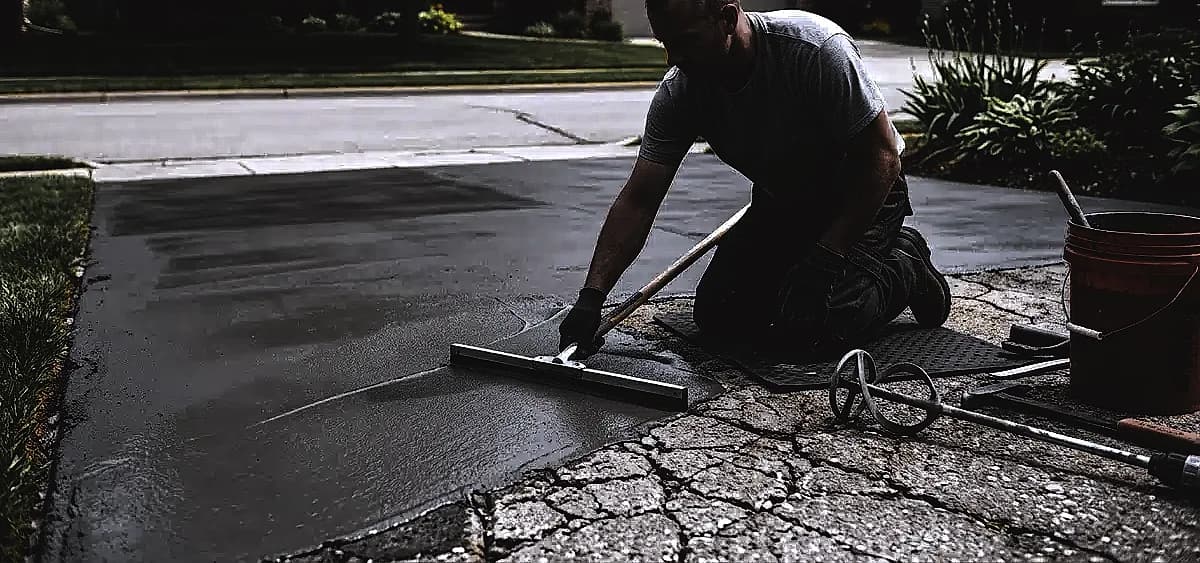
Concrete resurfacing is the application of a specialized, polymer-modified cementitious overlay or resinous coating directly onto an existing concrete slab to restore its structural integrity and aesthetic appeal. By utilizing advanced bonding agents, this process eliminates the need for costly demolition while providing a durable, customized finish that resists abrasion, moisture, and UV damage. Rather than breaking up a worn-out driveway, patio, or commercial floor, resurfacing creates a molecular bond with the old substrate, resulting in a surface that is often stronger than the original pour.
The Science of Modern Concrete Restoration
We are naturally drawn to aesthetically beautiful surfaces and repelled by dirty, worn-out, or cracked environments. For property owners, maintaining curb appeal is not just about real estate valuation; it is about preserving the structural condition of the property. Repairing cracked concrete through traditional tear-out methods is notoriously expensive and time-consuming.
Modern resurfacing technology relies on advanced polymer chemistry. When a cement-based veneer or resinous coating is applied, particular bonding agents penetrate the porous capillaries of the existing slab. As the material cures, it forms a monolithic bond. According to research from the American Concrete Institute (ACI), these polymer-modified overlays flex slightly under stress, making them highly resistant to the freeze-thaw cycles and heavy loads that typically crack standard concrete.
“The polymer-modified overlays we use in 2026 bond at a molecular level, making delamination virtually impossible when the substrate is properly profiled,” explains Dr. Marcus Thorne, Materials Engineer at the Concrete Preservation Institute. “We are no longer just covering up bad concrete; we are structurally upgrading it.”
Why Resurface Instead of Replace?
To improve the appearance of a deteriorating slab, accepted thinking historically maintained that old concrete must be ripped out and replaced. However, the economic and environmental landscape of 2026 dictates a different approach. There are a variety of repair options that save significant money, conserve raw resources, and eliminate disposal issues.
The Environmental Protection Agency (EPA) reports that construction and demolition debris accounts for more than 600 million tons of waste annually in the United States. By choosing to resurface rather than replace, property owners divert heavy masonry from landfills and reduce the carbon emissions associated with mixing and transporting new ready-mix concrete by up to 40%.
Economically, the benefits are undeniable. While a full tear-out and replacement can cost upwards of $15 to $30 per square foot when factoring in labor and disposal, resurfacing typically ranges from $3 to $25 per square foot, depending on the complexity of the chosen finish. Furthermore, data indicates that high-quality exterior resurfacing yields a return on investment (ROI) of up to 65% upon property resale.
Premium Resurfacing Materials and Finishes for 2026
If your concrete is in decent structural shape but needs a cosmetic and functional makeover, you have access to an unprecedented array of materials. From industrial-grade resins to decorative cementitious overlays, the options can be tailored to any environment.
Polyaspartic Quartz and Flake Systems
Bayer Material Science, one of the world’s major chemical corporations, first introduced polyaspartic coatings in the early 1990s. This novel technology was initially used as a corrosion-resistant steel coating for bridges and other harsh-environment applications. From a technical standpoint, the term “polyaspartic” refers to an aliphatic compound known as aliphatic polyurea.
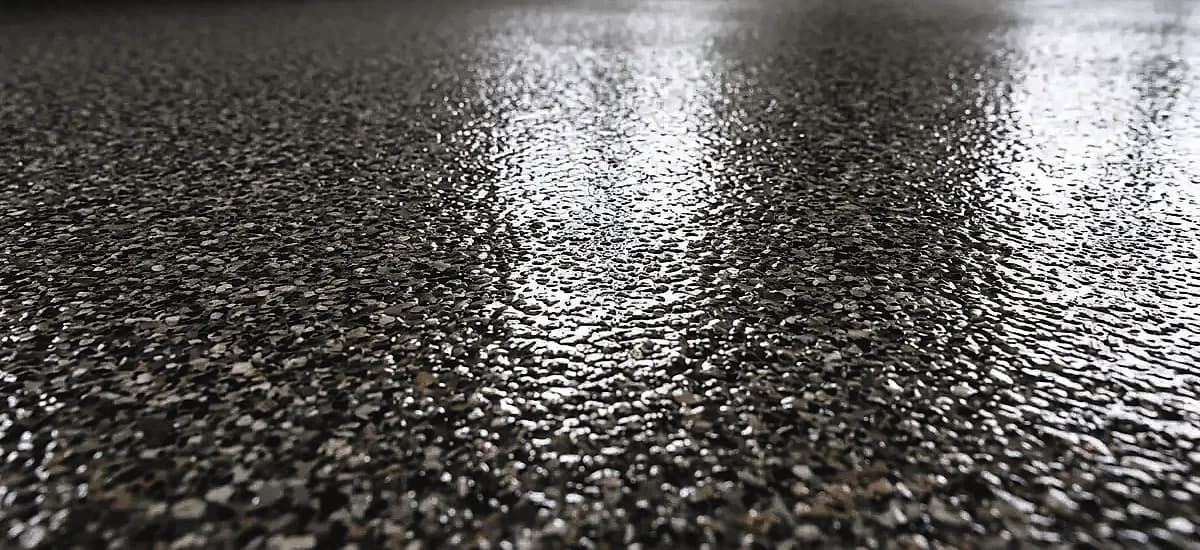
The final conclusion of decades of testing is that polyaspartic floor coatings are extremely durable due to their unique chemistry. They possess high elasticity combined with extreme surface hardness, giving them excellent abrasion resistance. Furthermore, they are 100% UV stable, meaning they will not yellow when exposed to direct sunlight. When comparing polyaspartic and epoxy coatings, polyaspartic systems often win out in exterior or high-traffic environments because they can cure in as little as 2 to 4 hours.
Metallic Epoxy Coatings
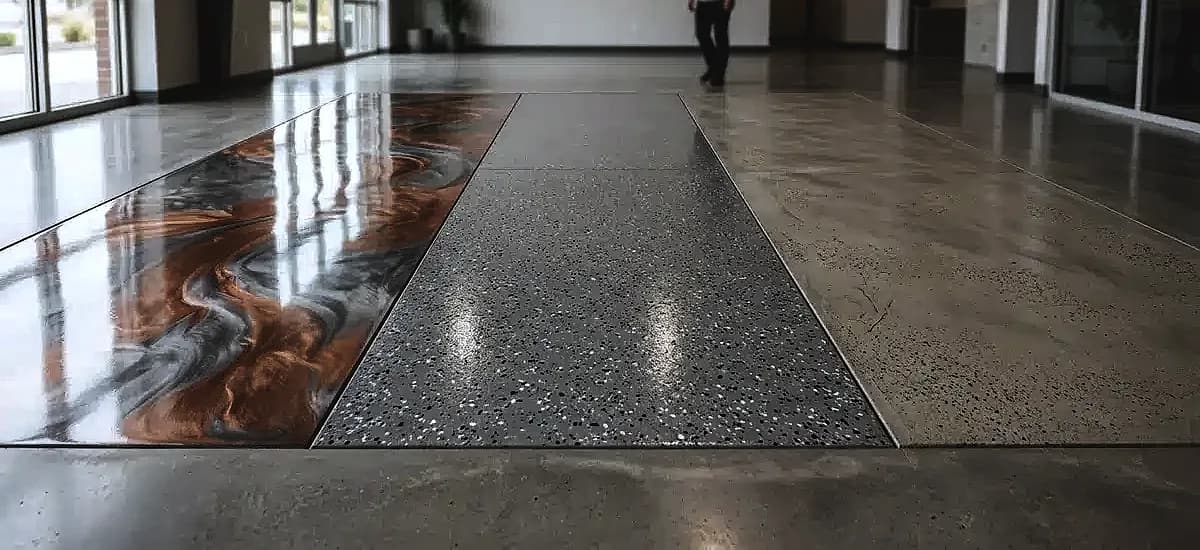
Metallic epoxy is a type of solid resin that contains metallic, light-reflective pigments. When properly blended and placed, the appearance is incredibly unusual and eye-catching, with three-dimensional scintillating swirls appearing throughout the flooring. This finish mimics the look of molten metal, marble, or even storm clouds.
While the aesthetic benefits of stunning metallic epoxy designs greatly exceed the drawbacks, it is crucial to examine the pros and cons. Metallic epoxy requires a pristine, perfectly level substrate, as the high-gloss finish will highlight any underlying imperfections. It is predominantly used in interior commercial spaces, showrooms, and high-end residential garages.
Glitter Epoxy Enhancements
Stunning spectacular effects can be achieved with an exotic variety of glitter particles to captivate guests and clients. An industrial-grade polyester glitter enhances any 3D flooring design and provides a stunning sparkle to epoxy coating treatments. This specialized glitter is impervious to the majority of commercial solvents and may be used with virtually any resin, acrylic, vinyl, or gel system. Metallic, holographic, and iridescent color bits are available, making it a popular choice for retail environments and entertainment venues.
Comparing Concrete Resurfacing Materials
Choosing the right material depends heavily on the environment, budget, and desired aesthetic. The following table breaks down the core differences between the most popular resurfacing systems in 2026.
| Material Type | Best Application | Cure Time | UV Resistance | Estimated Lifespan |
|---|---|---|---|---|
| Polyaspartic | Garages, Patios, Exteriors | 2 – 4 Hours | Excellent (No Yellowing) | 15 – 20+ Years |
| Standard Epoxy | Interior Commercial, Warehouses | 24 – 72 Hours | Poor (Requires Urethane Topcoat) | 10 – 15 Years |
| Cementitious Overlay | Pool Decks, Driveways, Walkways | 24 – 48 Hours | Excellent (With Proper Sealer) | 15 – 25 Years |
The Professional 5-Step Resurfacing Process
Achieving a flawless, long-lasting finish requires strict adherence to mechanical and chemical preparation standards. Industry data shows that 85% of coating failures are due to improper preparation rather than material defects. Here is the standard 5-step process used by professionals to ensure a permanent bond.
- Moisture Vapor Testing: Before any material is mixed, the slab must be tested for Moisture Vapor Transmission Rate (MVTR). If the concrete is emitting more than 3 pounds of moisture per 1,000 square feet over 24 hours, a specialized moisture mitigation primer must be applied to prevent future blistering.
- Mechanical Surface Profiling: The existing concrete must be ground down using heavy-duty planetary diamond grinders or shot blasters. This removes old sealers, stains, and weak laitance, creating a Concrete Surface Profile (CSP) of 2 or 3. This rough texture gives the new coating something to physically grip. This step is vital for achieving a smooth concrete finish ultimately.
- Structural Patching and Crack Repair: All spalls, divots, and moving cracks are chased with a diamond blade and filled with a rapid-curing polyurea filler or epoxy mortar. The patches are then ground flush with the rest of the slab.
- Coating Application: The chosen resurfacing material is applied. For resinous systems, this involves squeegeeing and back-rolling a primer, followed by the base coat and any decorative broadcasts (like quartz or vinyl flakes). For cementitious overlays, the material is gauge-raked and troweled to the desired thickness.
- Topcoat Sealing and Curing: A clear, abrasion-resistant topcoat (often aliphatic polyurethane or polyaspartic) is applied to lock in the design and provide chemical resistance. Property owners must then wait the appropriate time before verifying your floor coating is fully cured and ready for foot or vehicle traffic.
Concrete Resurfacing Costs in 2026
Concrete resurfacing costs typically range from $3 per square foot for basic overlays to $25 per square foot for complex, multi-layered metallic or quartz systems. However, the cost of your specific project will be determined by a number of variables.
How much does it cost to resurface concrete accurately? The average cost of a finished job depends on a range of elements, not simply the raw material cost. Therefore, the answer isn’t the same for every client. Here are the primary factors that will influence the final invoice:
- The Size of the Surface: Larger square footage often lowers the price per square foot due to economies of scale.
- Current Concrete Condition: Slabs requiring extensive crack repair, oil stain extraction, or heavy diamond grinding will incur higher labor costs.
- Desired Design Features: Custom stenciling, multiple colors, saw-cut patterns, and premium glitter or metallic additives increase material and labor expenses.
- Accessibility: Hard-to-reach areas that require hand-grinding rather than large walk-behind machines will take longer to prepare.
Preventing Common Application Failures
Even with the best materials, environmental factors can compromise a resurfacing project. Temperature and humidity play massive roles in how polymers cross-link and cure. For instance, standard epoxies require a minimum ambient temperature of 50 degrees Fahrenheit to cure properly. Applying materials outside of the manufacturer’s specified window can lead to outgassing (bubbles forming in the coating) or complete delamination.
“Skipping the moisture vapor transmission test is the single biggest mistake contractors make,” warns David Chen, Senior Technical Director at the Resin Flooring Association. “If your concrete is emitting high levels of hydrostatic pressure, any standard resin will eventually blister and peel away from the substrate.”
If you are already dealing with a failed DIY coating, professional intervention is required. Fixing peeling epoxy floors involves completely grinding off the failed material down to bare concrete and starting the preparation process from scratch.
Frequently Asked Questions
How long does a resurfaced concrete driveway last?
When properly installed and maintained, a polymer-modified cementitious overlay or polyaspartic coating can last 15 to 25 years. Applying a fresh clear sealer every 3 to 5 years will significantly extend its lifespan and protect against UV degradation.
Can you resurface concrete that is badly cracked?
Yes, but the cracks must be structurally repaired first. Hairline cracks are easily filled, but moving cracks (active structural shifts) must be treated with flexible polyurea joint fillers to prevent the crack from telegraphing through the new surface.
Is concrete resurfacing slippery when wet?
It can be, especially with high-gloss epoxy or polyaspartic topcoats. However, professionals always mix anti-slip additives, such as aluminum oxide or clear polymer grit, into the final topcoat to ensure the surface meets ADA slip-resistance standards.
How long does the resurfacing process take?
Most residential projects, such as a standard two-car garage or patio, take 2 to 3 days to complete. This timeline includes surface preparation, patching, coating application, and initial curing. Standard concrete polishing timelines or resurfacing schedules depend heavily on the square footage and material used.
Can I resurface concrete myself?
While DIY kits are available, they are highly discouraged for long-term durability. DIY kits usually lack the commercial-grade diamond grinders needed for proper surface profiling, leading to coatings that peel under hot tires or heavy foot traffic within a year.
Conclusion
Concrete resurfacing is a highly technical, transformative process that breathes new life into deteriorating surfaces. By leveraging advanced materials like aliphatic polyurea, metallic epoxies, and polymer-modified veneers, property owners can achieve stunning aesthetics and industrial-grade durability without the exorbitant costs and environmental waste of full concrete replacement. Whether you are upgrading a residential garage, a commercial showroom, or an outdoor patio, understanding the science of surface preparation and material selection is the key to a permanent solution.
At National Concrete, we collaborate closely with you to ensure that you receive the exact results you desire while staying within your budget. From decorative epoxy color pigments to sparkling epoxy glitter fragment additives, our industrial-grade solutions provide a one-of-a-kind floor finish that is completely customized for your space. Don’t settle for cracked, unsightly concrete. Contact us today to schedule a professional consultation and discover how we can transform your property.
Written by

Founder and CEO
Chris Lavin is an esteemed leader in concrete polishing and epoxy coatings with a distinguished 20-year career. As founder and CEO of National Concrete Polishing and owner of Xtreme Polishing Systems, he's renowned for polishing and epoxy coating more floors than anyone globally. Chris is recognized for his innovative approach and commitment to enhancing floor durability and aesthetics. His hands-on experience and technical proficiency make him a respected authority and a valuable resource in the field of floor polishing and coatings.
Same topic
Related articles
All stories
Cost & ROI10 min read
A Facility Manager's Guide to Long-Term Floor Maintenance Budgeting
A budgeting frame for the floor you already have. What to set aside each year, and which repairs beat a replacement.
Read it
Cost & ROI11 min read
Polished Concrete vs. LVT and VCT in Retail — Total Cost of Ownership
Sticker price against years of waxing and replacement. The total cost of polished concrete versus LVT and VCT in retail.
Read it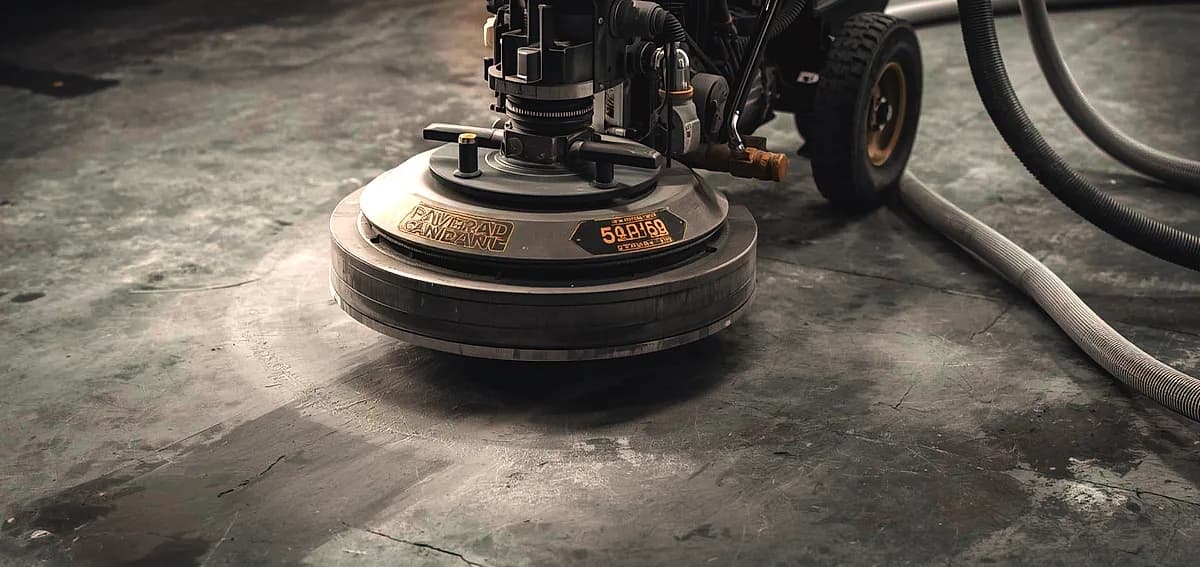
Cost & ROI7 min read
Understanding Polished Concrete Pricing in Fort Lauderdale
The average cost of professional concrete polishing in 2026 generally ranges from $3 to $12 per square foot.
Read it
Tell us about the floor
Tell us the space and roughly how big it is.We come back with what it would cost and when we could start.
Prefer to talk? Call +1 844-876-5474
- Leads@
nationalconcretepolishing.net - 2200 NW 32nd St #600,
Pompano Beach, FL 33069 Mon to Fri, 9:00 to 5:30