
The NCP blog
Can I DIY Polish Concrete Floor Myself? Step By Step Guide
Polished concreteUpdated 9 min read
We’ll explore the steps and equipment needed to guide you through the process if you choose to start this DIY adventure.
When you think of concrete, you might envision a dull, gray surface. But with the right DIY polish concrete floor techniques, concrete can be transformed into a beautiful and highly durable flooring option. Polished concrete floors are known for their impressive durability, making them suitable for both residential and commercial settings.
Like many other people, you might be wondering if polished concrete floor maintenance is something you can handle yourself or if would you need to hire a professional for the task. The good news is that with the right preparation and tools, it’s entirely possible to achieve a polished concrete floor on your own. We’ll explore the steps and equipment needed to guide you through the process if you choose to start this DIY adventure.
Can you polish an existing concrete floor?
Yes, you can polish an existing concrete floor. When it comes to the suitability of different types of concrete floors for polishing, it’s important to consider the condition and purpose of the floor. Residential concrete floors, for example, are commonly polished to create a sleek and modern look in living spaces, kitchens, or basements.
Commercial concrete floors, such as those in retail stores or offices, can benefit from polishing to create an inviting and professional atmosphere. Even industrial concrete floors, found in warehouses or factories, can be polished to increase their durability and resistance to wear and tear.
However, it’s worth noting that there are certain limitations and conditions that may affect the feasibility of polishing certain concrete floors. For instance, severe damage, deep cracks, or significant unevenness in the surface can make it more challenging to achieve desirable results.
In such cases, it may be necessary to address these issues through repairs or leveling before attempting the polishing process. It’s essential to assess the condition of the floor and determine if any preparatory work is required to ensure a successful outcome.
Furthermore, the age of the concrete floor and the presence of existing coatings or sealants can also impact the polishing process. If the floor has been previously treated with coatings or sealants, they may need to be removed before proceeding with polishing. This can be done through grinding or other methods to expose the raw concrete surface.
Can you polish the concrete floor yourself?
Yes, it is indeed possible to take on a DIY concrete floor polishing project. However, there are several factors to consider before deciding if it’s the right choice for you.
1. Assess the size of the area you plan to polish
DIY concrete floor polishing requires time and effort, so larger areas may require a significant investment of both. If you have a small room or a manageable space, it may be more feasible to tackle the project on your own. But for larger areas or whole-house projects, you might want to consider hiring professionals who have the experience and resources to handle the task efficiently.
2. Level of experience
Concrete floor polishing involves using specialized equipment and techniques. While it’s not overly complicated, having some prior experience with DIY projects or a willingness to learn is beneficial. If you’re a complete novice, it may be worth investing time in researching and familiarizing yourself with the process before diving in.
3. Desired Outcome
Are you looking for a professional-grade, flawless finish, or are you content with a more rustic and imperfect look? DIY concrete floor polishing can yield great results, but achieving a showroom-quality finish may require advanced skills and experience. Set realistic expectations and be prepared to embrace the unique character that DIY polishing can bring.
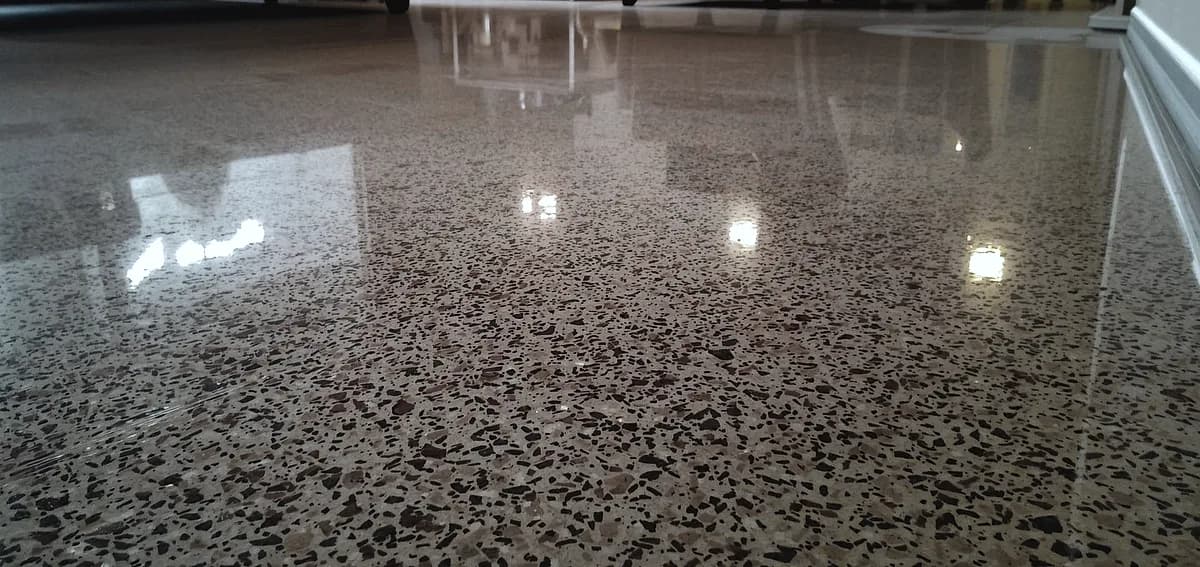
One crucial aspect to emphasize is that DIY concrete floor polishing requires the right equipment. Investing in or renting professional-grade concrete grinders, diamond abrasive pads, and a dust extraction system is essential for achieving optimal results. These tools ensure proper surface preparation, grinding, and polishing. It’s also important to have the necessary safety gear, such as goggles, gloves, and a mask, to protect yourself during the process.
How to achieve a DIY Polish concrete floor?
Here’s a step-by-step guide to achieving a DIY polished concrete floor:
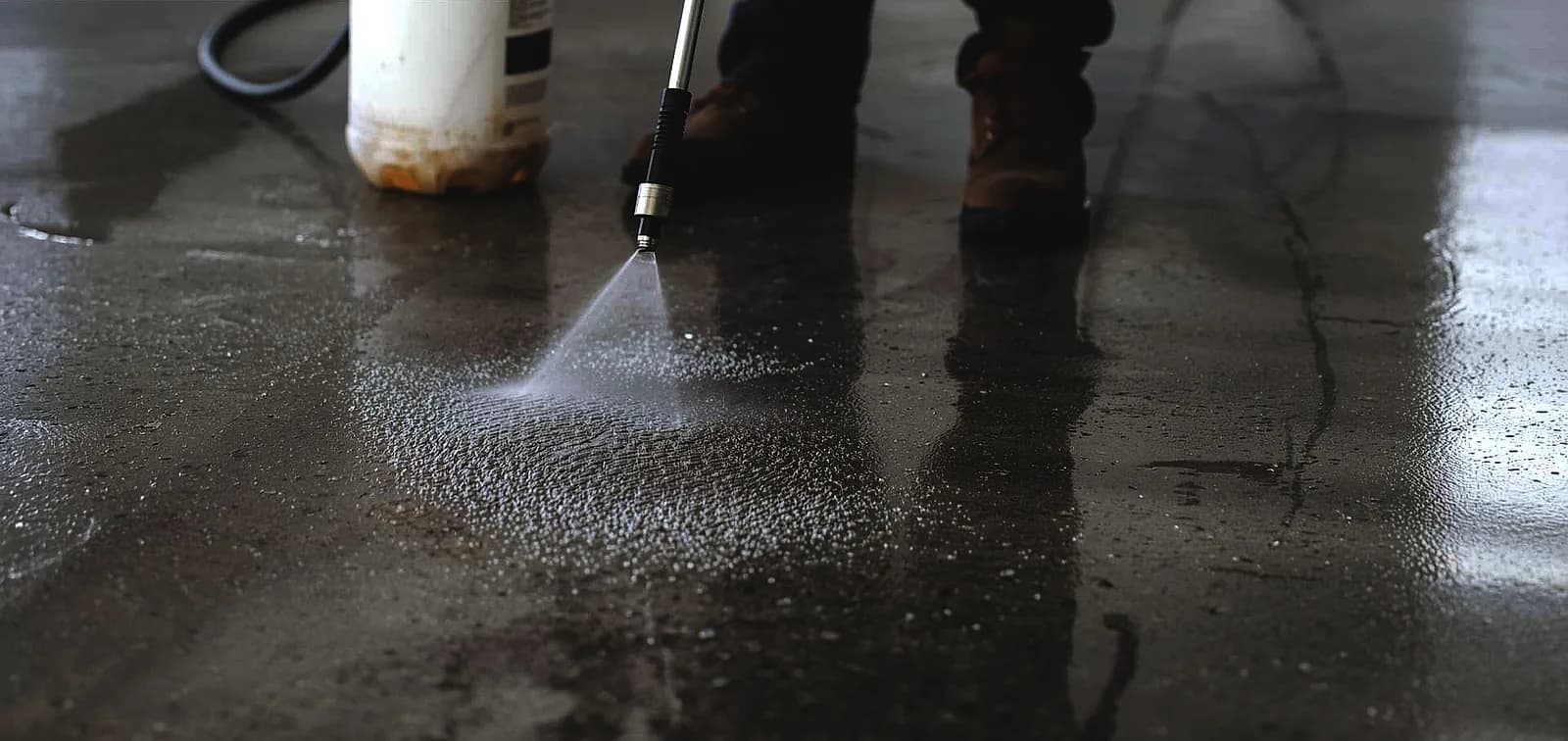
1. Surface preparation
- Thoroughly clean the concrete floor, removing any dirt, dust, or debris.
- If there are existing coatings or sealants, use appropriate methods (grinding, chemical stripping, etc.) to remove them and expose the raw concrete surface.
2. Grinding and honing
- Start with a coarse-grit diamond abrasive pad on a concrete grinder.
- Move the grinder in a back-and-forth motion, covering the entire floor surface.
- Gradually switch to finer-grit pads, repeating the grinding process until the desired level of smoothness is achieved.
- Consider using a densifier during this stage to strengthen the concrete and reduce porosity.
3. Polishing
- Continue with progressively finer diamond abrasive pads, following the same back-and-forth motion.
- Each grit level will refine the surface, removing scratches and further enhancing smoothness.
- Repeat the process with increasingly finer pads until reaching the desired level of glossiness.
4. Densifying and sealing
- Apply a concrete densifier according to the manufacturer’s instructions.
- The densifier will penetrate the concrete, filling pores and increasing its strength
- After allowing the densifier to cure, apply a suitable concrete sealer to protect the floor from stains and enhance its durability.
- Follow the sealer manufacturer’s guidelines for application and curing time.
If you’re unsure about any step or lack experience, it’s advisable to consult professionals or seek guidance from experts in the field.
What equipment do you need to polish the concrete floor?
To polish a concrete floor, you will need several essential pieces of equipment. Here’s a list of the necessary items and a brief explanation of their purpose:
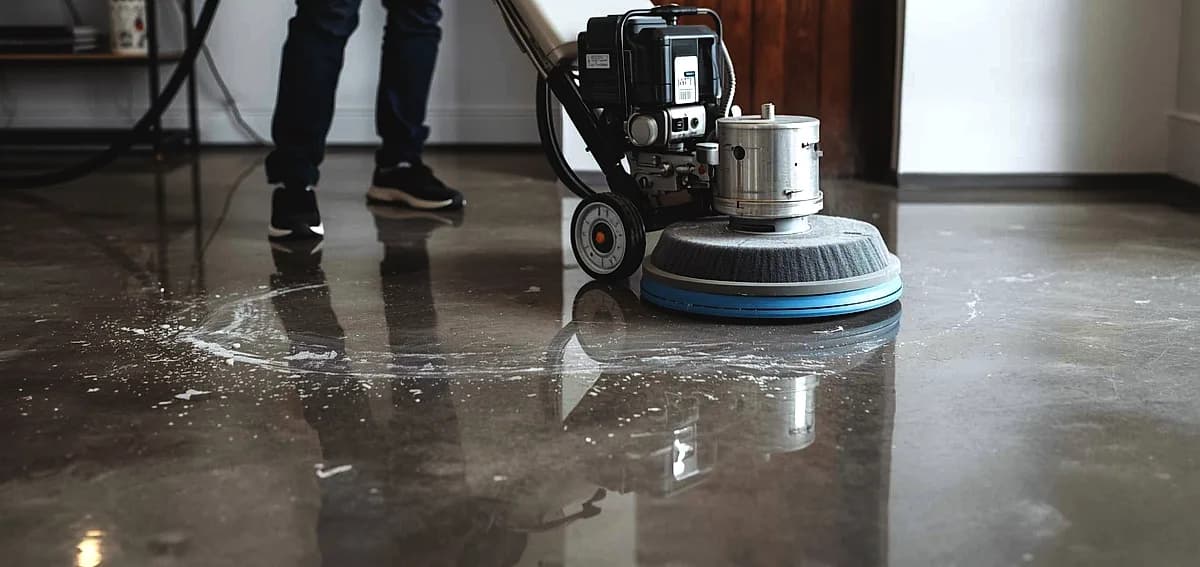
- Concrete grinder/polisher which typically features rotating discs with diamond-embedded abrasive pads for effective surface refinement.
- Diamond pads to grind and polish the concrete surface, gradually achieving a smoother and glossier finish.
- Dust extraction system to control and minimize dust during the grinding and polishing process.
- Safety gear like gloves, goggles, and mask to protect yourself while working with concrete.
- Cleaning supplies such as broom, mop, scrub brush, and concrete cleaner for surface preparation.
These are the essential equipment and supplies needed for DIY concrete floor polishing. However, it’s worth noting that the specific requirements may vary depending on the size of the project, the condition of the floor, and personal preferences.
Maintenance and Care
Maintaining the luster and integrity of a polished concrete floor is crucial for ensuring its longevity and aesthetic appeal. Proper care not only enhances the floor’s durability but also prevents costly repairs down the line. By following a few straightforward maintenance routines, you can keep your polished concrete looking as pristine as the day it was finished.
Routine Cleaning Tips
- Regular Sweeping: Use a soft-bristle broom or a microfiber mop to remove dust and dirt daily. This prevents abrasive particles from scratching the surface.
- Mopping: Use a pH-neutral cleaner mixed with water for mopping. Avoid acidic or alkaline cleaners as they can damage the concrete’s finish.
- Immediate Spill Cleanup: Clean spills immediately to prevent staining, using a damp cloth or mop.
Dealing with Stains and Scratches Post-Polishing
- Stain Removal: For oil or grease stains, apply a poultice that draws out the stain. For organic stains like wine or coffee, use a mild phosphate-free cleanser.
- Scratch Repair: Minor scratches can be buffed out using a fine-grit polishing pad. For deeper scratches, you may need to re-polish the affected area.
Long-Term Care Strategies
- Reapply Sealant: Depending on traffic and wear, reapply the floor sealant every 2-3 years to maintain protection and shine.
- Use Floor Mats: Place mats at entrances to reduce the amount of dirt and grit that may scratch the floor.
- Avoid Harsh Chemicals: Never use harsh chemicals or abrasive tools for cleaning, as they can wear down the polish.
Final Thoughts
DIY concrete floor polishing is feasible with proper preparation and the right equipment. Key points to consider include assessing the size of the area, evaluating personal experience with DIY projects, and setting realistic expectations for the desired outcome. The process involves surface preparation, grinding, honing, polishing, and optional steps such as densifying and sealing. However, it’s important to note that DIY concrete floor polishing requires a significant investment of time and effort.
Overall, ensure to assess your skills and available resources before deciding whether to tackle the project yourself or hire a professional.
concrete Polishing needed?
We specialize in top-quality concrete and epoxy flooring services, enhancing the beauty and durability of your surfaces. Our experienced team is ready to assist you in the following cities:
- Epoxy & Polished Concrete Flooring In Oklahoma
- Epoxy & Polished Concrete Flooring In Philadelphia
- Epoxy & Polished Concrete Flooring In Tampa
Can’t find your city listed? No worries! We operate nationwide. Just give us a call, and we’ll take care of the rest.
Can I use regular household cleaners on polished concrete floors?
No, regular household cleaners are not recommended for polished concrete floors as they can be too harsh and potentially damage the surface. Instead, use pH-neutral floor cleaners specifically designed for polished concrete to maintain the integrity and shine of the floor.
What are the ecological benefits of choosing polished concrete floors?
Polished concrete floors are considered eco-friendly because they often utilize existing concrete surfaces, reducing the need for additional materials. Moreover, their high reflectivity can help reduce lighting needs, and energy consumption, and they don’t harbor allergens or dust mites, contributing to healthier indoor air quality.
How can I enhance the slip resistance of my polished concrete floor?
To enhance the slip resistance of polished concrete, especially in areas prone to moisture, you can apply a non-slip additive to the sealant used during the final stages of polishing. These additives subtly texture the surface, increasing traction without compromising the aesthetic appeal.
What’s the ideal way to clean polished concrete floors to maintain their shine?
The ideal way to clean polished concrete floors is to use a microfiber mop and a pH-neutral cleaner diluted in water. Avoid using abrasive tools or cleaners with a high pH level. Regularly dust mop the floors to remove any particles that could scratch the surface.
How do polished concrete floors contribute to a home’s energy efficiency?
Polished concrete floors improve energy efficiency by enhancing ambient light reflectivity, which reduces the need for artificial lighting. Their thermal mass also helps moderate indoor temperatures, reducing the load on heating and cooling systems, thus potentially lowering energy costs.
What should I do if heavy furniture leaves scratches on my polished concrete floor?
If heavy furniture leaves scratches on your polished concrete, you can often repair minor scratches using a fine-grit polishing pad. For deeper scratches, the area may need to be re-grounded with a concrete grinder and re-polished to restore the surface.
Can polished concrete floors be colored or designed during the DIY polishing process?
Yes, during the DIY polishing process, you can add color to your concrete floors using acid stains, concrete dyes, or by applying a colored hardener to the concrete before the polishing steps. These products can create vibrant, varied, or translucent color effects, enhancing the aesthetic appeal of your floors.
What is the most effective method to remove oil stains from polished concrete?
To effectively remove oil stains from polished concrete, use a commercial-grade degreaser designed for concrete. Apply the degreaser to the stained area, let it sit for the recommended duration, then scrub with a nylon brush and rinse thoroughly with clean water.
Why is it crucial to use a concrete densifier in the polishing process?
Using a concrete densifier is crucial in the polishing process because it hardens the concrete surface, making it more durable and resistant to wear and staining. It fills the pores within the concrete, which helps achieve a higher level of polish and increases the longevity of the finish.
Can polished concrete floors be repaired if severely damaged?
Yes, polished concrete floors can be repaired even if they are severely damaged. The process typically involves re-grinding the affected area to remove any imperfections and then re-polishing to restore the floor’s appearance. In cases of deep cracks or chips, filling compounds may be used before the re-polishing process.
Written by

Founder and CEO
Chris Lavin is an esteemed leader in concrete polishing and epoxy coatings with a distinguished 20-year career. As founder and CEO of National Concrete Polishing and owner of Xtreme Polishing Systems, he's renowned for polishing and epoxy coating more floors than anyone globally. Chris is recognized for his innovative approach and commitment to enhancing floor durability and aesthetics. His hands-on experience and technical proficiency make him a respected authority and a valuable resource in the field of floor polishing and coatings.
Same topic
Related articles
All stories
Polished concrete11 min read
Polished Concrete vs Epoxy Coatings: Which Floor Is Right for Your Space?
Two systems, two price curves, one slab. What each one costs to install and to keep, and which spaces each one actually suits.
Read it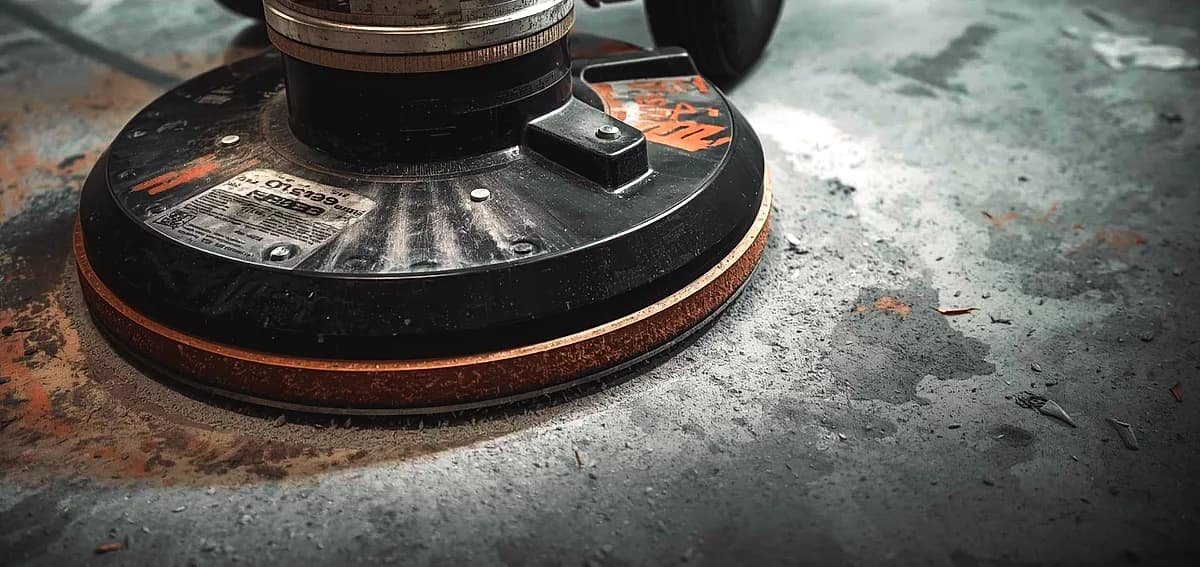
Polished concrete8 min read
What to Know Before Polishing Your Existing Concrete Slab
Before any mechanical refinement can begin, a thorough evaluation of the current foundation is required.
Read it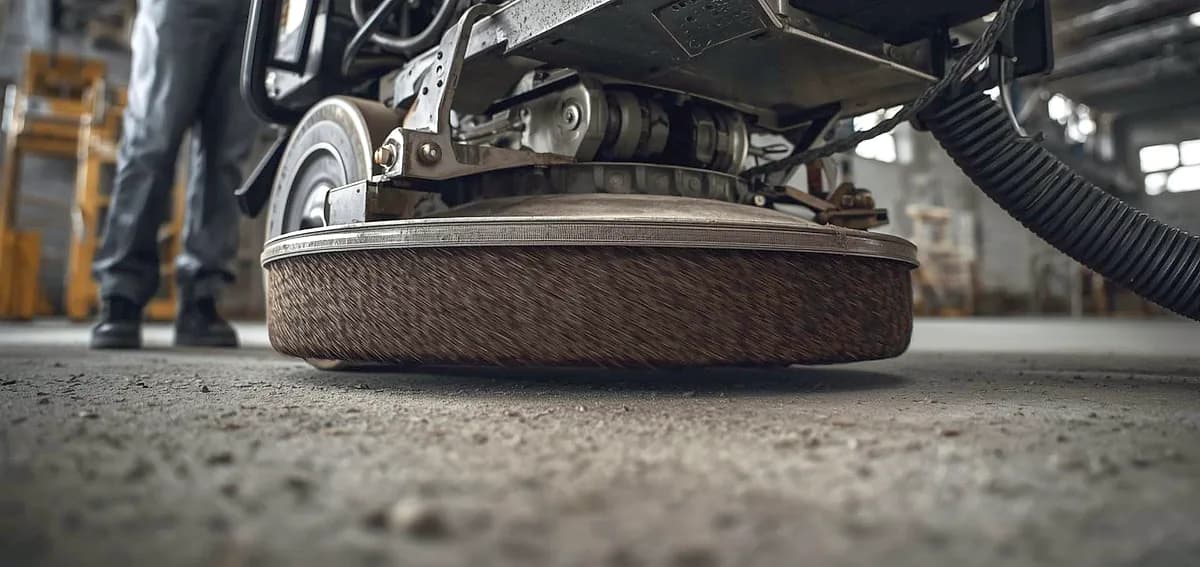
Polished concrete8 min read
Is Polished Concrete Worth the Investment for Miami Properties?
It is essential to distinguish between a simple topical seal and mechanically refined concrete.
Read it
Tell us about the floor
Tell us the space and roughly how big it is.We come back with what it would cost and when we could start.
Prefer to talk? Call +1 844-876-5474
- Leads@
nationalconcretepolishing.net - 2200 NW 32nd St #600,
Pompano Beach, FL 33069 Mon to Fri, 9:00 to 5:30