
The NCP blog
What Type Of Epoxy Is The Best Choice For Your Garage Floor?
ResidentialUpdated 5 min read
If you want a new garage floor, you have probably watched youtube videos or seen pinterest pictures of amazing garage floors.
If you want a new garage floor, you have probably watched youtube videos or seen pinterest pictures of amazing garage floors. They exist, and we install them. A garage floor coated with water-based paint, or with a thin epoxy that has been thinned with paint, is a lighter-duty product and is more likely to wear through or peel under hot tires. The sections below explain the differences.
How to Choose the Best Epoxy Coating
100% solids epoxy has no solvent to evaporate, so what goes on the floor stays on the floor as a bonded, solid film. How long it lasts depends on the system, the preparation and how the floor is used. It is also nonporous and easy to clean, which is why it is used in restaurants, food businesses and industrial settings.
Epoxy flooring is very common for garage floors. Epoxy is a common choice if you want a strong, durable garage floor, but make sure that you have the right type of epoxy. You can do it on your own but for the best result better hire an expert. There are several types of epoxy and you should choose based on what kind of flooring you have, cost and your preference.
Here some of the choices:
Water-Based Paint
Water-based epoxy is the lightest-duty option. It is usually the cheapest and the easiest to apply, but it is not the right choice for industrial use or for a garage that sees heavy traffic.
Two-Part Solvent-Based
Two-part solvent-based epoxy is thinned with solvent so it rolls on easily, which leaves a thinner film than a 100% solids system once the solvent has evaporated. Kits vary between water-based, solvent-based and 100% solids, so read the label. If the coating is not well bonded, hot tires can lift it in summer. A trade article on sealers for decorative concrete notes that the most important factor in hot-tire pickup is sealer adhesion to the substrate, which is a reason to prepare the slab as carefully as you choose the product.
Two-Part 100 Percent Solids
A durable choice for a garage floor. The two parts react chemically when mixed and cure into a hard film. It is a common choice for professionally installed garage floors. How well it resists chemicals and abrasion depends on the product, so check its data sheet.
Flake Epoxy Garage
This is a 100% solids epoxy that has vinyl chips broadcast (tossed and scattered) into it with a clear coat of epoxy applied on top. This is a durable floor that works well for garages.
Metallic Epoxy Garage Coating
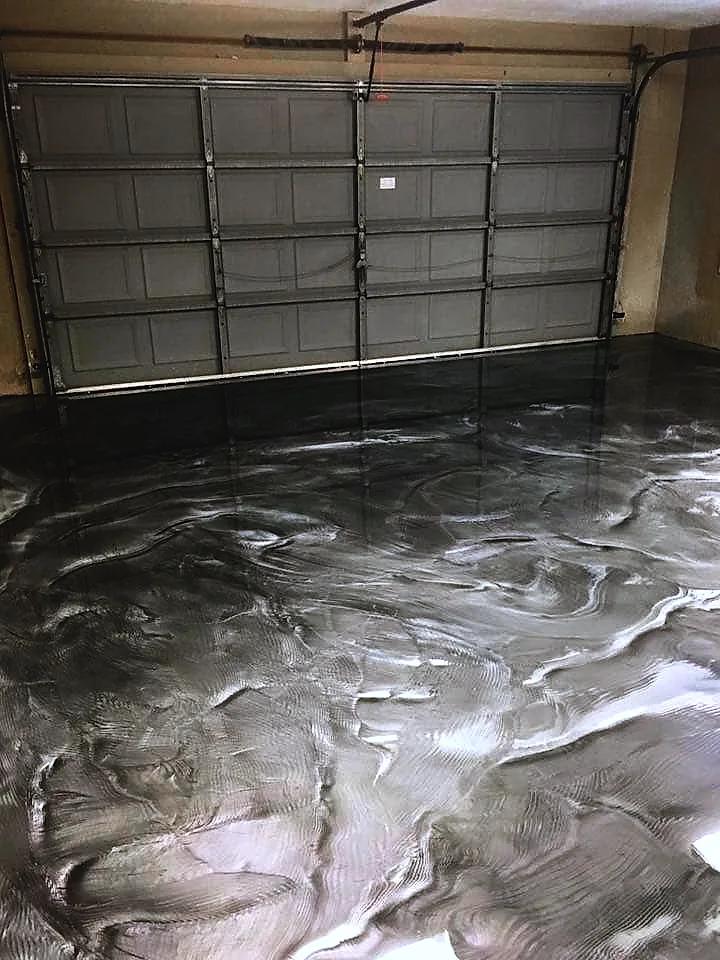
Metallic Epoxy garage coatings are a work of art. The different colors are chosen ahead of time and mixed and then applied throughout the garage floor. They are truly a one-of-a-kind floor.
Garage Floor Coatings
Epoxy coating can improve the look of a garage floor and protects the concrete underneath from stains. National Concrete Polishing has been installing epoxy floors since 2013, and a standard garage coating takes two to three working days on site, longer when there is heavy removal, repairs or moisture to deal with. If you have questions about your new floor, give us a call.
We Install Garage Floor Coatings in South Florida and Take On Projects Nationwide
If you are looking for a professionally installed garage floor, give us a call.
What should I consider when choosing epoxy for my garage floor?
When choosing epoxy for your garage floor, consider factors such as durability, ease of application, resistance to chemicals and stains, aesthetic preferences, and the specific requirements of your garage environment (e.g., high traffic, heavy equipment).
Can epoxy coatings be applied over old concrete?
Yes, epoxy coatings can be applied over old concrete as long as the surface is properly prepared. This typically involves cleaning, repairing any cracks or damage, and ensuring the surface is free of grease, oil, and other contaminants. Some products may also require etching or grinding the concrete to ensure proper adhesion.
Are there epoxy kits for garage floors?
Yes, DIY kits are sold by home centers and coatings manufacturers, and they often come with the epoxy resin, hardener, and decorative flakes. Kits differ a lot, so read the product data sheet for the type of epoxy, the film thickness, the coverage per kit and the cure times before you buy.
How long does it take for epoxy to cure on a garage floor?
For epoxy that a crew installs, our planning windows are foot traffic in about 10 to 24 hours, wheels in 24 to 72 hours, and full cure in about 7 days. The exact curing time can vary based on the product used and environmental conditions such as temperature and humidity.
What are the advantages of using epoxy on a garage floor?
The advantages of using epoxy on a garage floor include increased durability, resistance to chemicals and stains, improved aesthetics, easier cleaning and maintenance, and the ability to cover minor imperfections in the concrete.
Can epoxy flooring be slippery?
Epoxy flooring can be slippery when wet, but you can add anti-slip additives to the topcoat to enhance traction. These additives come in various forms, such as sand or polymer grit, and can help prevent slips and falls.
How do I maintain the shine of epoxy floors?
To keep epoxy floors shiny, regularly sweep and mop the surface to remove dirt and debris. Use a gentle, non-abrasive cleaner, and avoid using harsh chemicals that could dull the finish. Additionally, applying a periodic topcoat or polish can help maintain the glossy appearance.
Can epoxy flooring handle heavy vehicles and equipment?
Epoxy floors are used in garages and shops where vehicles and equipment are common. How well a floor handles impact, abrasion and heavy loads depends on the system and how thick it is, so ask for the data sheet.
Is professional installation of epoxy flooring worth the cost?
Professional installation of epoxy flooring can be worth the cost if you want a properly prepared, durable finish. Professionals have the experience and equipment to properly prepare the surface and apply the epoxy, which can result in a more durable and attractive outcome compared to a DIY project.
What should I do if my epoxy floor starts to peel or crack?
If your epoxy floor starts to peel or crack, it’s important to address the issue promptly. You may need to remove the damaged area, clean and repair the underlying concrete, and reapply the epoxy. For extensive damage, consulting a professional may be necessary to ensure a proper fix.
Can epoxy be applied in cold weather?
Only within the range on the product’s data sheet. For example, the data sheet for Sikafloor-264, a solvent-free epoxy, allows ambient and substrate temperatures of 50 to 85°F, with the substrate at least 5°F above the dew point, and warns of a loss in workability and slower cure rates outside those limits. Other products have other ranges, so check the one you are using.
How long will an epoxy garage floor last?
There is no single number. A study of home components found that life expectancy depends on the quality of installation, the level of maintenance, weather and climate conditions, and the intensity of use. For a garage that means slab preparation, moisture in the slab, how the coating is built up, hot tires and how often it is cleaned. Properly specified and maintained resinous flooring is built for long-term service, but expected life depends on the system and how the floor is used, not one fixed number.
Written by

Founder and CEO
Chris Lavin is an esteemed leader in concrete polishing and epoxy coatings with a distinguished 20-year career. As founder and CEO of National Concrete Polishing and owner of Xtreme Polishing Systems, he's renowned for polishing and epoxy coating more floors than anyone globally. Chris is recognized for his innovative approach and commitment to enhancing floor durability and aesthetics. His hands-on experience and technical proficiency make him a respected authority and a valuable resource in the field of floor polishing and coatings.
Same topic
Related articles
All stories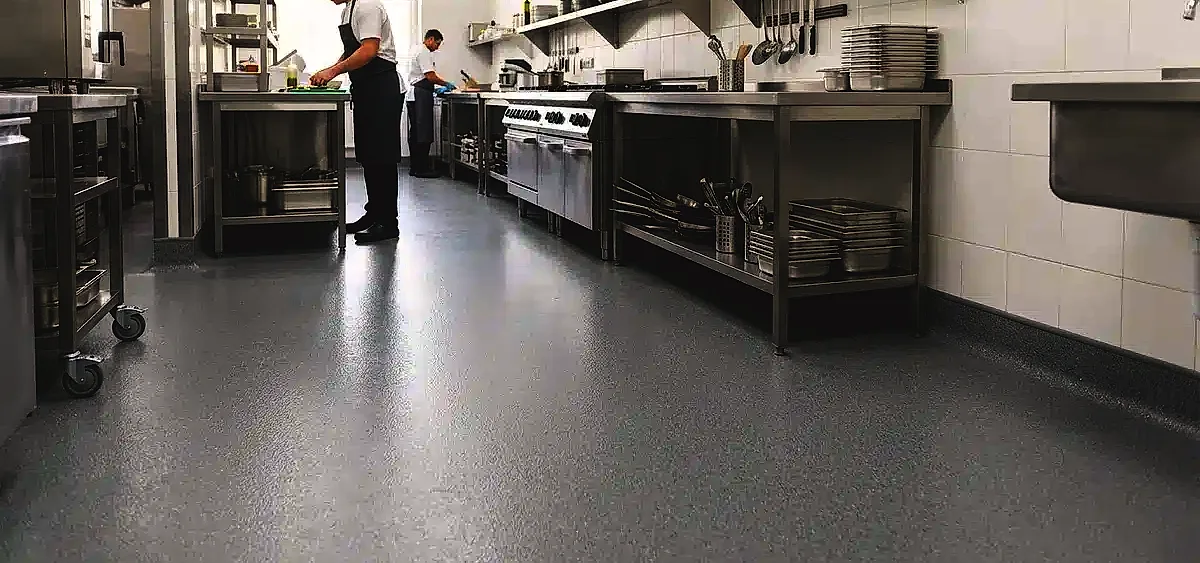
Commercial10 min read
Commercial Kitchen Floor Requirements in Florida
Operating a food service establishment in South Florida requires navigating a complex web of building and health codes.
Read it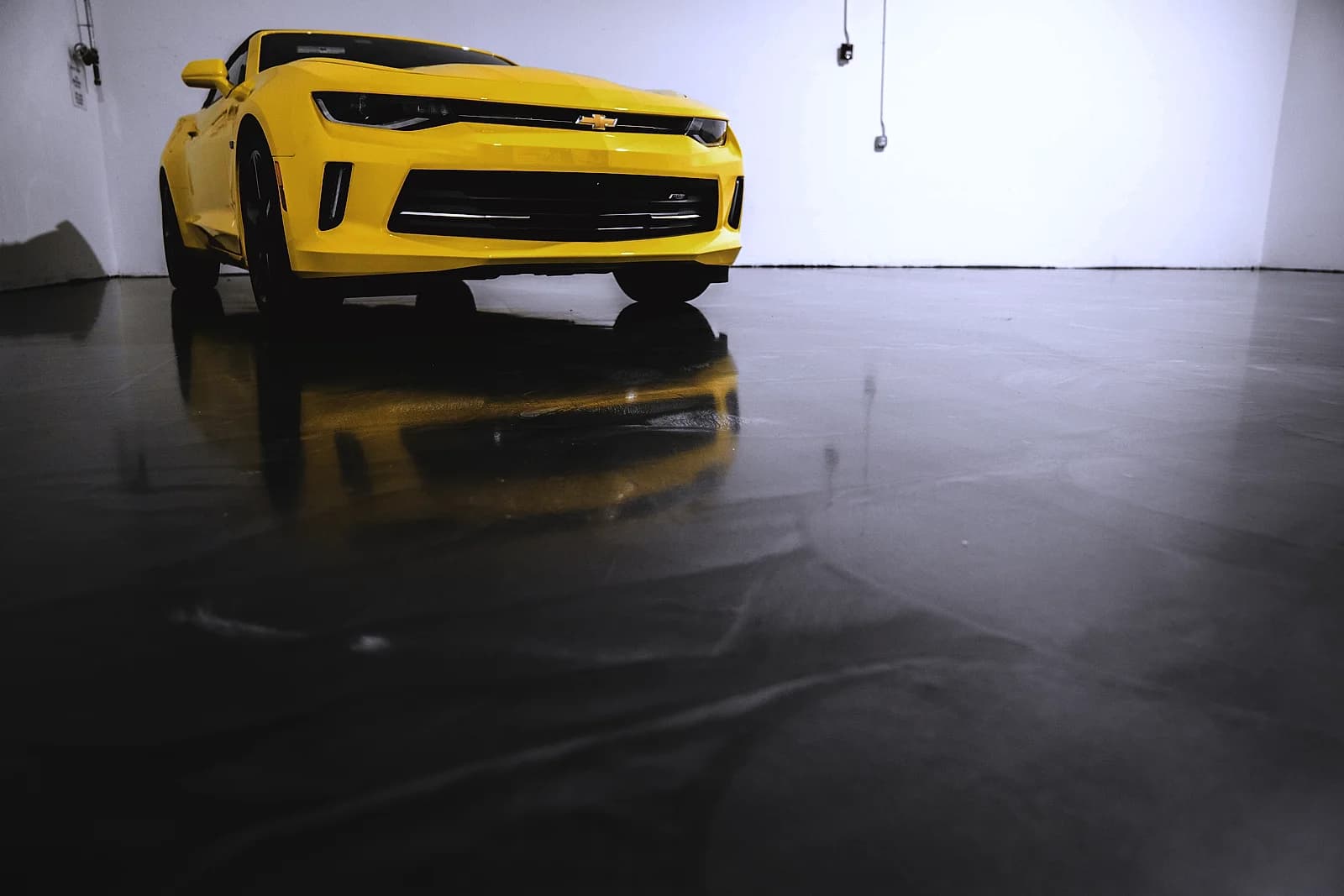
Residential7 min read
Polished Concrete Garage Floor vs Epoxy: Pros and Cons
This process enhances the concrete’s durability and resistance to stains, making it suitable for high-traffic areas.
Read it
Residential7 min read
Matte Polished Concrete Floors: The Complete Guide for South Florida Homes
The technical measurement that categorizes these finishes relies on Gloss Unit (GU) readings.
Read it
Tell us about the floor
Tell us the space and roughly how big it is.We come back with what it would cost and when we could start.
Prefer to talk? Call +1 844-876-5474
- Leads@
nationalconcretepolishing.net - 2200 NW 32nd St #600,
Pompano Beach, FL 33069 Mon to Fri, 9:00 to 5:30