
The NCP blog
What Makes Concrete Floors Prone to Dusting Issues
Polished concrete14 min read
For businesses and property owners dealing with dusting concrete floors, the implications extend far beyond mere aesthetics.
Concrete floors are renowned for their durability and longevity, making them a popular choice for industrial facilities, warehouses, garages, and commercial spaces. However, one persistent problem that plagues many concrete installations is dusting – the continuous shedding of fine particles from the surface that creates a chalky residue and compromises both aesthetics and functionality. Understanding what makes some concrete floors more prone to dusting issues is crucial for property owners, facility managers, and contractors who want to prevent this costly problem from occurring.
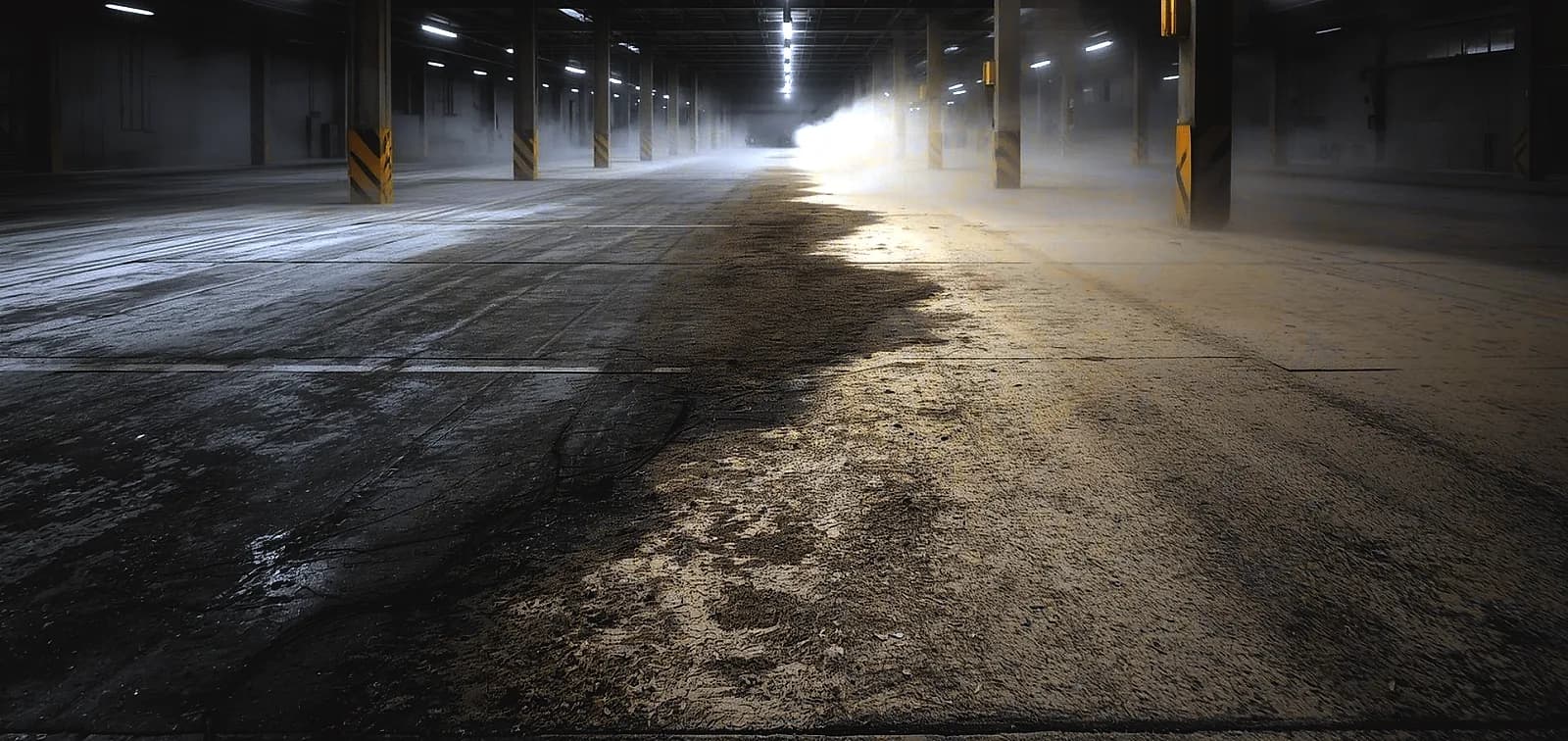
Dusting occurs when the surface layer of concrete becomes weak and begins to deteriorate, releasing fine particles into the environment. This phenomenon not only creates maintenance headaches but can also impact air quality, damage equipment, and create safety concerns in work environments. The issue becomes particularly problematic in high-traffic areas where mechanical abrasion accelerates the dusting process, leading to increasingly visible wear patterns and compromised floor performance.
Several interconnected factors contribute to concrete dusting susceptibility, ranging from initial mix design and installation practices to environmental conditions and ongoing maintenance protocols. The concrete’s water-to-cement ratio, aggregate quality, curing procedures, and surface finishing techniques all play critical roles in determining whether a floor will develop dusting problems over time. Additionally, external factors such as freeze-thaw cycles, chemical exposure, and mechanical wear can exacerbate existing weaknesses in the concrete matrix.
For businesses and property owners dealing with dusting concrete floors, the implications extend far beyond mere aesthetics. Dust accumulation can contaminate products in manufacturing environments, create slip hazards when mixed with moisture, and require constant cleaning that increases operational costs. Understanding the root causes of concrete deterioration issues enables informed decision-making about prevention strategies, treatment options, and long-term maintenance approaches that can preserve floor integrity and performance.
Understanding Concrete Dusting: The Fundamentals
Concrete dusting represents a form of surface deterioration where the top layer of concrete becomes weak and friable, continuously shedding fine particles that create visible dust accumulation. This phenomenon occurs when the cement paste matrix at the surface lacks sufficient strength to bind the aggregate particles together effectively. The result is a progressively deteriorating surface that not only looks unsightly but also compromises the floor’s functionality and longevity.
The dusting process typically begins with microscopic surface degradation that gradually becomes more pronounced over time. Initially, the problem may manifest as a powdery surface condition that appears after cleaning or traffic. As the condition progresses, more substantial particle release occurs, leading to visible dust accumulation and increasingly rough surface texture. In severe cases, the deterioration can expose aggregate particles and create significant surface irregularities that impact both appearance and performance.
Several mechanisms contribute to the development of dusting issues, with most relating to fundamental weaknesses in the concrete’s surface layer. When the cement paste lacks adequate strength, normal wear and tear from foot traffic, equipment operation, and environmental exposure gradually erodes the surface. This erosion process is self-perpetuating – once dusting begins, the exposed surface becomes increasingly vulnerable to further deterioration, creating a cycle of progressive damage that can be difficult to arrest without intervention.
The economic impact of concrete dusting extends beyond the obvious cleaning and maintenance costs. In manufacturing environments, concrete dust can contaminate products, damage sensitive equipment, and create health concerns for workers. Food processing facilities face particular challenges, as concrete dust can compromise sanitary conditions and potentially lead to regulatory compliance issues. Understanding these broader implications helps emphasize the importance of preventing dusting problems through proper installation and maintenance practices.
Mix Design Factors That Increase Dusting Susceptibility
The concrete mix design represents the foundation of floor performance, with several key parameters directly influencing dusting susceptibility. The water-to-cement ratio stands as perhaps the most critical factor, as excessive water creates a weaker cement paste matrix that’s inherently prone to surface deterioration. When contractors add too much water to improve workability or extend working time, they inadvertently compromise the concrete’s long-term durability and increase the likelihood of dusting problems.
Cement content and type also play crucial roles in determining surface strength and dusting resistance. Mixes with insufficient cement content may lack the binding capacity needed to create a durable surface layer, while certain cement types may be more susceptible to specific environmental conditions. The use of supplementary materials like densifiers can significantly improve concrete density and reduce dusting susceptibility when properly incorporated into the mix design or applied as a treatment.
Aggregate selection and gradation significantly impact the concrete’s overall performance and dusting characteristics. Dirty aggregates containing excessive fines can interfere with proper cement hydration and create weak zones within the concrete matrix. Similarly, poorly graded aggregates may result in segregation during placement, leading to areas with varying strength characteristics and increased dusting susceptibility. The aggregate-to-cement ratio must be carefully balanced to ensure adequate paste content for durability without creating an overly rich mix that’s prone to surface defects.
Admixture selection and dosage rates can either help or hinder dusting resistance depending on their application. Water-reducing admixtures can improve concrete strength by allowing lower water-to-cement ratios while maintaining workability. However, overdosing certain admixtures or using incompatible combinations can create setting problems or surface defects that increase dusting susceptibility. Air-entraining admixtures, while beneficial for freeze-thaw resistance, must be carefully controlled to prevent excessive air content that could weaken the surface layer.
The timing of concrete delivery and placement also affects mix characteristics and potential dusting issues. Extended mixing times or delayed placement can lead to moisture loss and stiffening that may require additional water or admixtures to restore workability. These field modifications often compromise the original mix design intent and can create conditions favorable to dusting development. Proper coordination between concrete suppliers and placement crews is essential to maintain mix integrity throughout the construction process.
Installation and Curing Practices That Contribute to Dusting
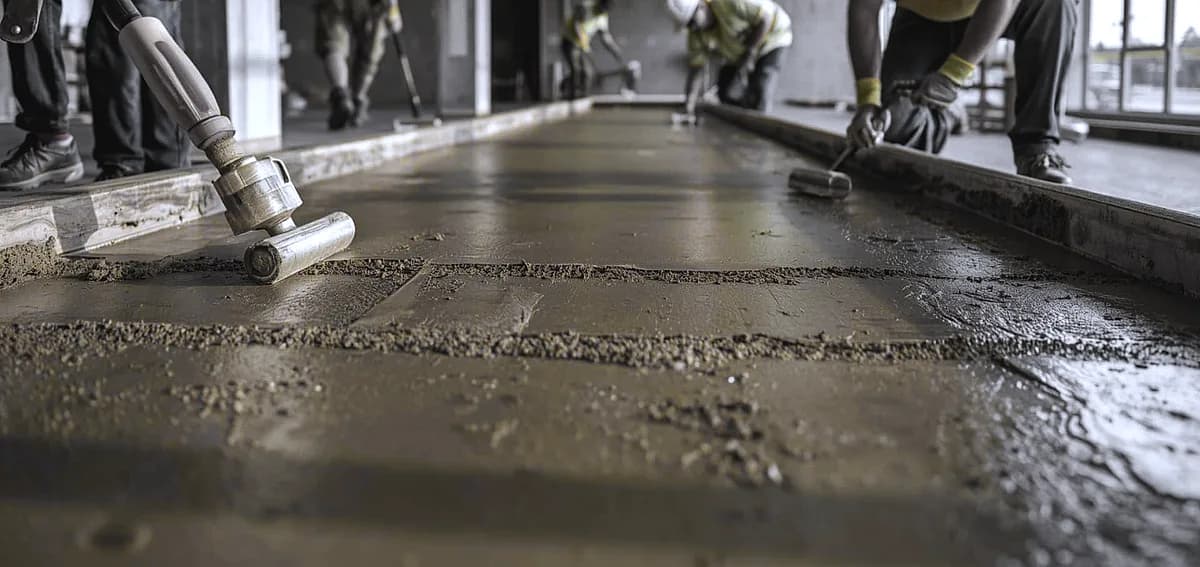
The installation process significantly influences concrete floor performance and dusting susceptibility, with surface finishing techniques playing a particularly critical role. Overworking the concrete surface during floating and troweling operations can bring excess water and fine particles to the top, creating a weak “cream” layer that’s highly susceptible to dusting. This phenomenon, known as laitance formation, occurs when aggressive finishing techniques separate the cement paste from the aggregate structure, resulting in a surface layer with reduced strength and durability.
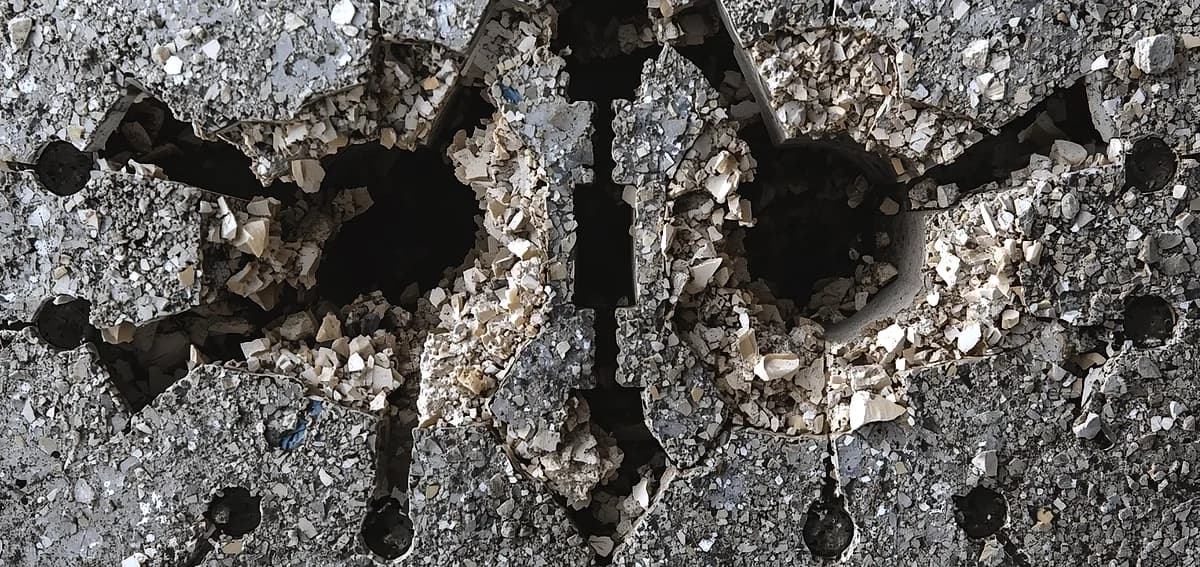
Timing of finishing operations critically affects surface quality and long-term performance. Beginning finishing operations too early, while bleed water is still present on the surface, can trap moisture beneath the surface layer and create conditions favorable to dusting development. Conversely, waiting too long to begin finishing can result in a surface that’s difficult to work and may require additional water to achieve the desired texture, potentially compromising surface strength.
Curing practices represent another crucial factor in preventing dusting issues, as proper hydration is essential for developing adequate surface strength. Inadequate curing procedures prevent complete cement hydration, resulting in a weak surface layer that readily deteriorates under normal use. This problem is particularly common in dry or windy conditions where rapid moisture loss occurs before the concrete has achieved sufficient strength to resist surface damage.
The use of curing compounds and their application timing can significantly impact dusting susceptibility. Applying curing compounds too early, while bleed water is still present, can create a barrier that traps moisture and leads to surface defects. However, waiting too long to apply curing compounds allows excessive moisture loss that compromises hydration and surface strength development. Proper application requires careful timing and uniform coverage to ensure effective moisture retention without creating surface problems.
Environmental conditions during installation and early curing significantly influence the concrete’s final properties and dusting resistance. High temperatures accelerate moisture loss and can lead to rapid surface drying that prevents proper hydration. Cold temperatures slow the hydration process and may require extended curing periods to achieve adequate strength development. Wind and low humidity conditions exacerbate moisture loss problems and increase the risk of surface defects that contribute to dusting susceptibility.
Surface preparation and substrate conditions also affect the concrete’s performance characteristics. Inadequate substrate preparation can lead to bonding problems or differential moisture movement that creates stress concentrations and potential failure points. Contaminated substrates may interfere with proper bonding or introduce chemicals that affect the concrete’s curing characteristics and long-term durability.
Environmental Factors and Their Impact on Dusting Development
Environmental conditions play a significant role in determining whether concrete floors will develop dusting problems over their service life. Freeze-thaw cycles represent one of the most destructive environmental factors, as repeated freezing and thawing of moisture within the concrete pores creates internal stress that can weaken the surface layer and increase dusting susceptibility. This mechanism is particularly problematic in unheated buildings or outdoor applications where temperature fluctuations regularly cross the freezing point.
Chemical exposure from various sources can compromise concrete integrity and accelerate dusting development. De-icing salts, commonly used in cold climates, can penetrate the concrete surface and create chemical reactions that weaken the cement paste matrix. Industrial chemicals, cleaning agents, and acidic substances can also attack the concrete surface, gradually dissolving the cement paste and creating conditions favorable to dusting. The concentration and frequency of chemical exposure directly influence the rate and severity of deterioration.
Moisture conditions significantly affect concrete performance and dusting characteristics. Excessive moisture can lead to efflorescence, where dissolved salts migrate to the surface and create deposits that weaken the surface layer. Conversely, extremely dry conditions can cause the concrete to become brittle and more susceptible to mechanical damage that initiates dusting. Fluctuating moisture conditions create dimensional changes that can stress the concrete and contribute to surface deterioration over time.
Temperature extremes and rapid temperature changes can create thermal stress within the concrete that leads to surface cracking and increased dusting susceptibility. High temperatures can accelerate chemical reactions that weaken the cement paste, while low temperatures can make the concrete more brittle and prone to impact damage. Thermal cycling between extreme temperatures creates repeated stress that gradually weakens the surface layer and increases the likelihood of dusting problems.
Air quality and atmospheric conditions can also influence concrete durability and dusting development. Carbonation, caused by carbon dioxide in the atmosphere reacting with the cement paste, gradually reduces the concrete’s alkalinity and can weaken the surface layer. This process is accelerated in environments with high carbon dioxide concentrations or low humidity conditions that allow deeper penetration of atmospheric gases.
Ultraviolet radiation exposure, while primarily affecting surface appearance, can also contribute to surface degradation in some concrete formulations. Extended exposure to intense sunlight can cause thermal stress and may affect certain admixtures or surface treatments, potentially increasing dusting susceptibility over time. This factor is particularly relevant for outdoor applications or buildings with extensive natural lighting.
Traffic Patterns and Mechanical Factors in Dusting Acceleration
The type and intensity of traffic on concrete floors significantly influence dusting development and progression. Heavy equipment operation creates concentrated loads and potential impact damage that can initiate surface deterioration in vulnerable areas. Forklift traffic, particularly with hard wheels or poor maintenance, can create abrasive conditions that gradually wear away weak surface layers and accelerate dusting. The repetitive nature of equipment traffic in defined pathways often creates visible wear patterns that highlight areas most susceptible to dusting problems.
Foot traffic patterns, while less immediately damaging than heavy equipment, can contribute to dusting development through cumulative abrasive action. High-traffic areas such as doorways, corridors, and work stations experience continuous wear that gradually erodes weak surface layers. The presence of abrasive materials on shoes or equipment wheels can significantly accelerate this wear process, particularly in industrial environments where sand, grit, or other particles are commonly present.
The type of wheels or contact surfaces used on equipment directly affects the concrete’s wear characteristics and dusting susceptibility. Hard plastic or metal wheels create more concentrated loads and abrasive action compared to pneumatic or cushioned wheels. Poorly maintained equipment with damaged or irregular wheel surfaces can create gouging or scraping action that rapidly deteriorates concrete surfaces and initiates dusting problems in otherwise sound floors.
Vibration from heavy machinery or equipment operation can contribute to concrete deterioration and dusting development, particularly in floors with existing weaknesses. Continuous or repeated vibration can cause micro-cracking in the concrete surface that provides pathways for moisture penetration and chemical attack. This mechanism is particularly problematic in manufacturing facilities with heavy production equipment or areas subject to impact loading from material handling operations.
Cleaning and maintenance practices can either help prevent or inadvertently accelerate dusting problems. Aggressive cleaning methods using hard brushes or abrasive materials can gradually wear away weak surface layers and expose increasingly vulnerable concrete beneath. Conversely, inadequate cleaning that allows accumulation of abrasive materials or chemicals can create conditions that accelerate surface deterioration and dusting development.
The interaction between traffic patterns and environmental conditions often creates synergistic effects that accelerate dusting beyond what either factor would cause individually. Wet conditions can soften concrete surfaces and make them more susceptible to traffic damage, while dry conditions can make dust particles more airborne and abrasive. Understanding these interactions is crucial for developing effective prevention and mitigation strategies.
How National Concrete Polishing Addresses Dusting Issues
National Concrete Polishing brings extensive expertise in identifying, preventing, and resolving concrete dusting problems through comprehensive assessment and targeted treatment approaches. Our team understands that effective dusting remediation requires addressing the underlying causes rather than simply treating surface symptoms. We begin each project with a thorough evaluation of the concrete’s condition, identifying factors that contribute to dusting susceptibility and developing customized solutions that address both immediate concerns and long-term performance requirements.
Our approach to dusting prevention focuses on proper surface preparation and the application of penetrating hardeners that strengthen the concrete matrix from within. These chemical hardeners react with the concrete to create additional binding compounds that significantly increase surface density and abrasion resistance. By penetrating deep into the concrete surface, these treatments address existing weaknesses while providing long-term protection against future dusting development.
For existing dusting problems, National Concrete Polishing employs mechanical polishing techniques that remove the deteriorated surface layer and expose sound concrete beneath. Our progressive polishing process gradually refines the surface while applying chemical densifiers that strengthen the concrete and create a durable, dust-free finish. This approach not only eliminates existing dusting problems but also creates a surface that’s inherently resistant to future deterioration.
We recognize that each facility has unique requirements and operational constraints that must be considered in developing dusting solutions. Our team works closely with clients to understand their specific needs, traffic patterns, and maintenance capabilities to ensure that recommended treatments provide optimal performance within their operational environment. This collaborative approach ensures that solutions are both technically sound and practically implementable within the client’s operational framework.
National Concrete Polishing also provides ongoing support and maintenance recommendations to help clients preserve their investment and prevent future dusting problems. Our maintenance protocols are designed to be practical and cost-effective while providing maximum protection against the factors that contribute to dusting development. We believe that proper maintenance is essential for long-term success and work with clients to develop sustainable maintenance programs that fit their operational requirements and budget constraints.
Frequently Asked Questions
What are the early warning signs of concrete dusting problems?
Early indicators include a chalky residue appearing after cleaning, fine powder accumulation in low-traffic areas, and a slightly rough texture developing on the surface. These signs often appear gradually and may be subtle initially.
Can concrete dusting be prevented during initial installation?
Yes, proper mix design with appropriate water-to-cement ratios, correct finishing techniques, adequate curing, and surface treatments can significantly reduce dusting susceptibility. Prevention is always more cost-effective than remediation.
How does the age of concrete affect dusting susceptibility?
Older concrete floors are generally more susceptible to dusting due to cumulative wear, environmental exposure, and potential degradation of the surface layer over time. However, well-maintained older floors can remain dust-free for decades.
Are certain types of concrete more prone to dusting than others?
Yes, concrete with high water-to-cement ratios, poor aggregate quality, or inadequate curing is more susceptible. Lean mixes with insufficient cement content are also at higher risk for dusting problems.
Can environmental controls help prevent dusting in existing floors?
Environmental controls such as humidity management, temperature control, and protection from chemical exposure can help slow dusting progression, but they cannot reverse existing surface deterioration.
What role does traffic type play in dusting development?
Heavy equipment with hard wheels, high-frequency traffic, and the presence of abrasive materials significantly accelerate dusting in susceptible floors. Traffic patterns often determine where dusting problems first appear.
How effective are topical sealers in preventing dusting?
Topical sealers can provide temporary dust control but may not address underlying concrete weaknesses. Penetrating hardeners that strengthen the concrete matrix are generally more effective for long-term dusting prevention.
Is it possible to completely eliminate dusting from a problematic floor?
Yes, through proper surface preparation, mechanical polishing, and chemical densification, even severely dusting floors can be restored to a dust-free condition with proper treatment by experienced professionals.
Conclusion
Understanding what makes some concrete floors more prone to dusting issues is essential for anyone involved in concrete floor installation, maintenance, or management. The factors contributing to dusting susceptibility are interconnected and often compound each other, making prevention strategies more effective than remediation efforts. From initial mix design and installation practices to ongoing environmental exposure and traffic patterns, each element plays a crucial role in determining whether a concrete floor will develop dusting problems over its service life.
The key to preventing concrete dusting lies in recognizing that surface strength and durability must be built into the floor from the beginning through proper mix design, installation techniques, and curing practices. However, even floors with existing dusting problems can be successfully restored through appropriate treatment methods that address the underlying causes rather than merely masking surface symptoms. Professional assessment and treatment by experienced contractors like National Concrete Polishing can transform problematic dusting floors into durable, low-maintenance surfaces that provide years of reliable service.
Investing in proper dusting prevention and treatment not only improves floor appearance and functionality but also provides significant long-term cost savings through reduced maintenance requirements and extended floor life. By understanding the factors that contribute to dusting susceptibility and implementing appropriate prevention or treatment strategies, property owners can ensure their concrete floors continue to provide the durability and performance that makes concrete such a popular flooring choice across diverse applications.
Written by

Founder and CEO
Chris Lavin is an esteemed leader in concrete polishing and epoxy coatings with a distinguished 20-year career. As founder and CEO of National Concrete Polishing and owner of Xtreme Polishing Systems, he's renowned for polishing and epoxy coating more floors than anyone globally. Chris is recognized for his innovative approach and commitment to enhancing floor durability and aesthetics. His hands-on experience and technical proficiency make him a respected authority and a valuable resource in the field of floor polishing and coatings.
Same topic
Related articles
All stories
Polished concrete11 min read
Polished Concrete vs Epoxy Coatings: Which Floor Is Right for Your Space?
Two systems, two price curves, one slab. What each one costs to install and to keep, and which spaces each one actually suits.
Read it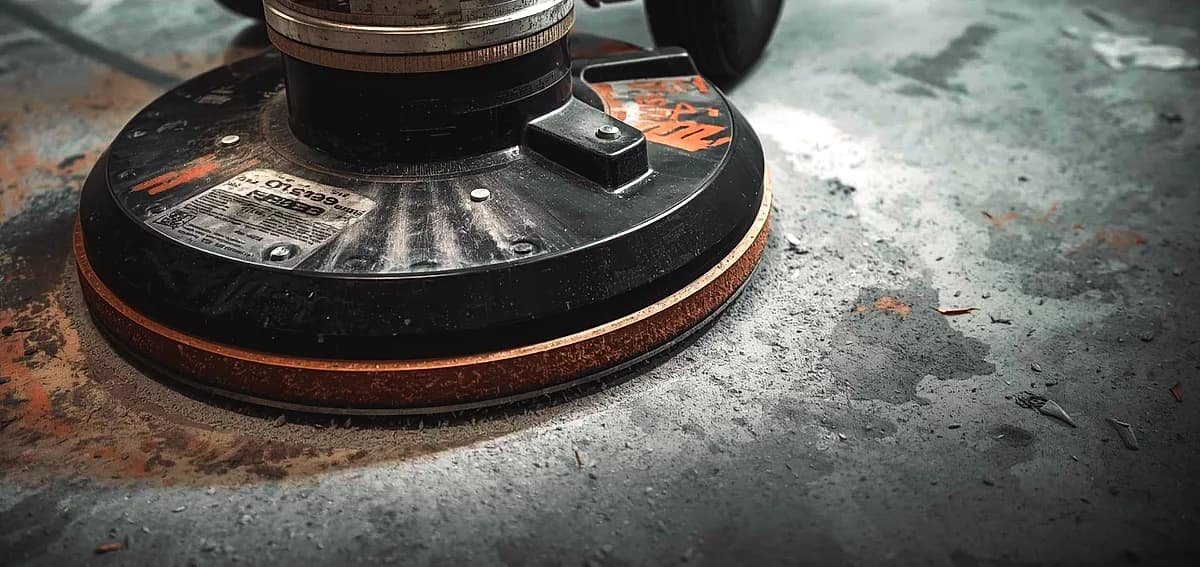
Polished concrete8 min read
What to Know Before Polishing Your Existing Concrete Slab
Before any mechanical refinement can begin, a thorough evaluation of the current foundation is required.
Read it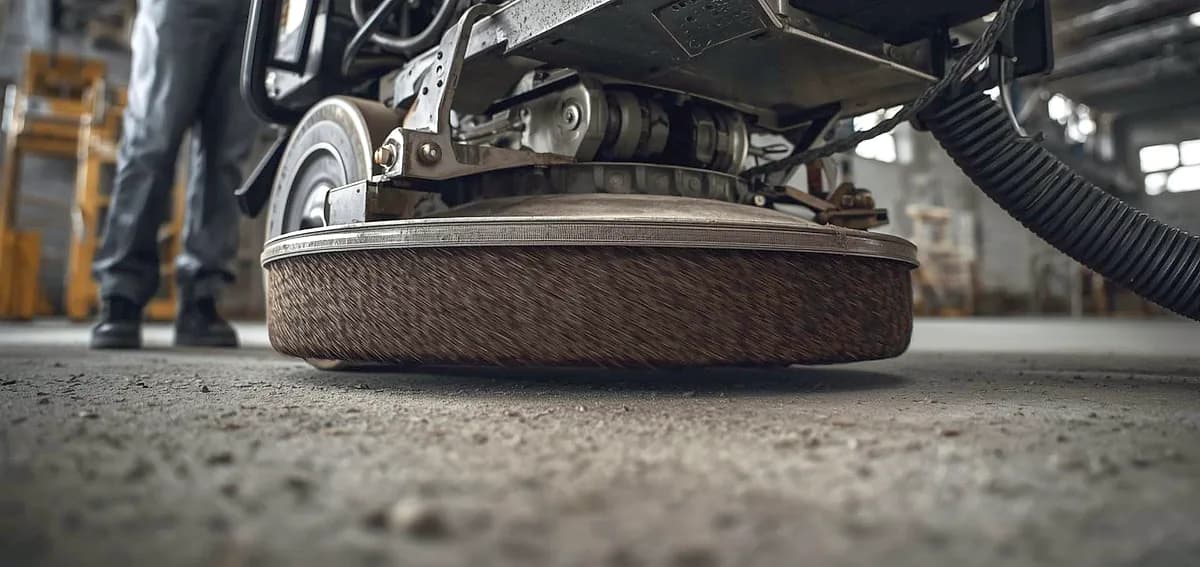
Polished concrete8 min read
Is Polished Concrete Worth the Investment for Miami Properties?
It is essential to distinguish between a simple topical seal and mechanically refined concrete.
Read it
Tell us about the floor
Tell us the space and roughly how big it is.We come back with what it would cost and when we could start.
Prefer to talk? Call +1 844-876-5474
- Leads@
nationalconcretepolishing.net - 2200 NW 32nd St #600,
Pompano Beach, FL 33069 Mon to Fri, 9:00 to 5:30