
The NCP blog
What Is Resinous Flooring? Complete Guide & Uses
Epoxy & coatings12 min read
Resinous flooring combines synthetic resins with additives into seamless, high-performance surfaces that handle extreme conditions.
Resinous flooring has emerged as one of the most versatile and durable flooring solutions in modern construction and renovation projects. This innovative flooring system combines synthetic resins with various additives to create seamless, high-performance surfaces that can withstand extreme conditions while maintaining aesthetic appeal. Understanding what resinous flooring is and how it’s implemented in projects is crucial for anyone considering flooring options for commercial, industrial, or residential applications.
The term “resinous flooring” encompasses a broad category of flooring systems that utilize polymer-based materials as their primary binding agent. These systems have revolutionized the flooring industry by offering solutions that traditional materials like concrete, tile, or wood simply cannot match in terms of durability, chemical resistance, and customization options. From pharmaceutical clean rooms to automotive manufacturing facilities, resinous flooring has become the go-to choice for environments that demand superior performance.
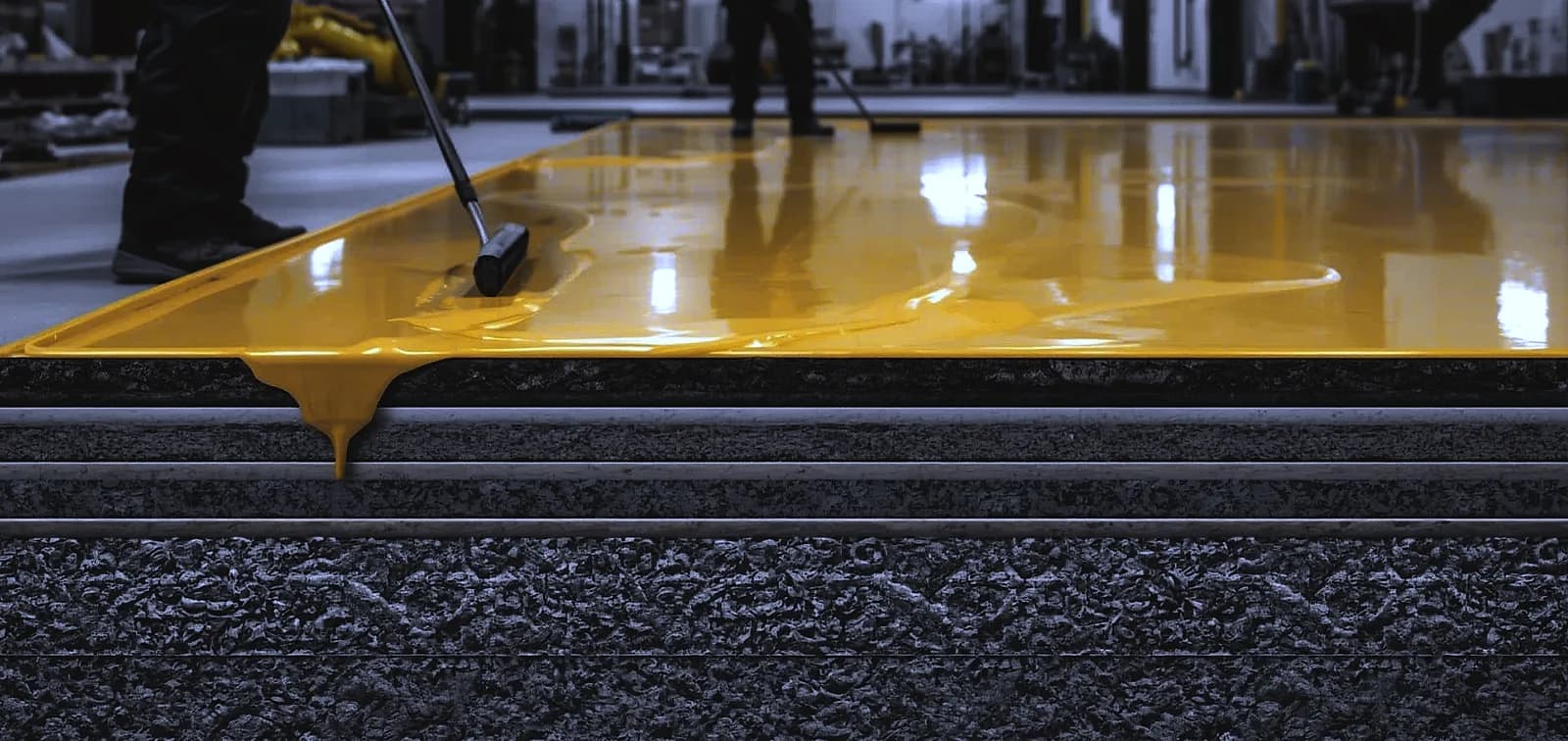
What makes resinous flooring particularly appealing is its ability to be tailored to specific project requirements. Whether there’s a need for a floor that can withstand heavy machinery, resist chemical spills, provide anti-static properties, or simply offer an attractive finish, resinous systems can be formulated to meet these diverse needs. The installation process involves applying liquid resin materials that cure to form a solid, monolithic surface, eliminating joints and seams that can harbor bacteria or allow moisture penetration.
The popularity of resinous flooring continues to grow across various industries due to its exceptional longevity and low maintenance requirements. Unlike traditional flooring materials that may require frequent replacement or extensive upkeep, properly installed resinous floors can last decades with minimal intervention. This longevity, combined with their superior performance characteristics, makes them an increasingly attractive investment for facility managers and property owners looking for cost-effective flooring solutions.
Understanding Resinous Flooring Systems
Resinous flooring represents a sophisticated approach to surface protection and aesthetics that goes far beyond simple floor coatings. These systems consist of synthetic polymer resins that are applied in liquid form and cure to create a solid, durable surface. The most common types of resins used include epoxy, polyurethane, methyl methacrylate (MMA), and polyaspartic materials, each offering unique properties and advantages for specific applications.
The fundamental principle behind resinous flooring lies in the chemical reaction that occurs during curing. When the resin components are mixed with hardeners or catalysts, they undergo polymerization, transforming from a liquid state into a solid, cross-linked polymer network. This process creates a surface that is chemically bonded to the substrate, typically concrete, resulting in exceptional adhesion and durability that far exceeds mechanical attachment methods.
What distinguishes resinous flooring from other flooring types is its ability to be engineered for specific performance requirements. Through the selection of different resin types, additives, and application techniques, these systems can be customized to provide varying levels of chemical resistance, flexibility, hardness, and aesthetic appeal. This versatility makes resinous flooring suitable for applications ranging from decorative residential floors to industrial environments with extreme chemical exposure.
The thickness of resinous flooring systems can vary significantly based on the intended application and performance requirements. Thin-film systems may be only a few mils thick and are suitable for light-duty applications, while heavy-duty industrial systems can be applied at thicknesses of several millimeters to provide maximum protection and durability. This scalability allows for cost-effective solutions that provide exactly the level of protection needed without over-engineering the system.
Types and Formulations
Epoxy resinous flooring systems represent the most widely used category in commercial and industrial applications. These systems offer excellent adhesion to concrete substrates, superior chemical resistance, and can be formulated to provide various performance characteristics. Standard epoxy systems typically consist of a two-component mixture that cures at ambient temperatures, making them suitable for a wide range of installation conditions. High-performance epoxy formulations can include additives such as quartz aggregates for enhanced durability, anti-static agents for electronics manufacturing environments, or antimicrobial additives for healthcare facilities.
Polyurethane resinous flooring systems excel in applications requiring flexibility and impact resistance. These systems maintain their integrity under thermal cycling and mechanical stress better than rigid epoxy systems, making them ideal for environments with heavy equipment traffic or temperature fluctuations. Polyurethane systems also offer superior UV stability, making them suitable for areas with natural light exposure where epoxy systems might yellow or degrade over time.
Methyl methacrylate (MMA) resinous flooring systems provide unique advantages for projects requiring rapid installation and return to service. These systems can cure at extremely low temperatures and achieve full strength in a matter of hours rather than days. This rapid curing capability makes MMA systems particularly valuable for projects with tight schedules or facilities that cannot afford extended downtime. Additionally, MMA systems offer excellent chemical resistance and can be applied in very thin films while still providing substantial protection.
Polyaspartic resinous flooring represents the newest generation of flooring technology, combining many of the best characteristics of other resin types. These systems offer rapid curing like MMA, excellent UV stability like polyurethane, and chemical resistance comparable to epoxy. Polyaspartic systems can often be applied and returned to service within a single day, making them increasingly popular for commercial applications where minimizing disruption is critical.
Specialty formulations within each resin category allow for even more specific performance characteristics. Conductive resinous flooring systems incorporate carbon or metallic additives to provide static dissipation in electronics manufacturing or explosive environments. Food-grade formulations meet FDA requirements for direct food contact and include antimicrobial properties to maintain hygienic conditions in food processing facilities.
Installation Process
The installation of resinous flooring systems requires careful planning and execution to ensure optimal performance and longevity. The process begins with thorough substrate preparation, which is arguably the most critical phase of any resinous flooring project. The concrete substrate must be properly cleaned, profiled, and repaired to provide an ideal surface for resin adhesion. This typically involves mechanical preparation methods such as shot blasting, diamond grinding, or scarification to remove any contaminants and create the appropriate surface profile.
Moisture testing is an essential component of the preparation phase, as excessive moisture in the concrete substrate can lead to adhesion failure and system delamination. Various testing methods, including calcium chloride tests, relative humidity probes, and plastic sheet tests, help determine if the substrate is ready for resin application. If moisture levels are too high, additional drying time or moisture mitigation systems may be necessary before proceeding with installation.
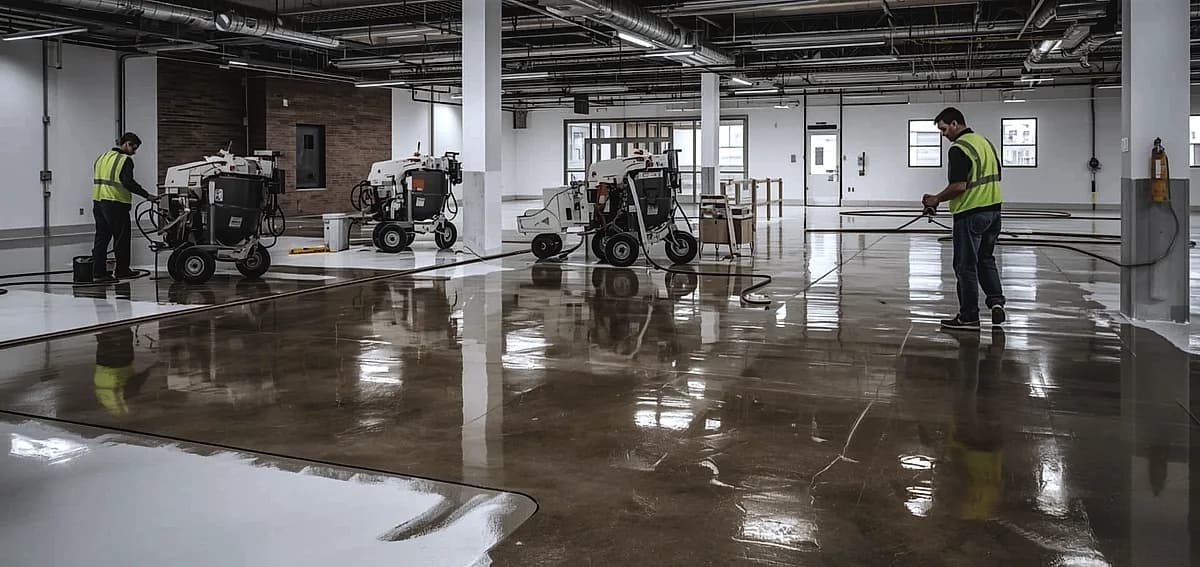
The actual application of resinous flooring systems requires skilled technicians and proper environmental conditions. Temperature and humidity levels must be within specified ranges to ensure proper curing and performance. The mixing of resin components must be precise, as incorrect ratios can result in poor curing, reduced performance, or system failure. Professional contractors like National Concrete Polishing have the expertise and equipment necessary to ensure proper mixing, application, and curing of resinous flooring systems.
Application techniques vary depending on the specific system being installed. Some systems are applied with rollers or squeegees for thin-film applications, while others may require broadcast aggregate or specialized application tools for textured finishes. Multi-coat systems involve applying successive layers with appropriate recoat windows to ensure proper inter-coat adhesion. Quality control during installation includes monitoring film thickness, checking for defects, and ensuring uniform coverage across the entire floor area.
Curing and post-installation procedures are critical for achieving the full performance potential of resinous flooring systems. While some systems may be walkable within hours, full chemical and mechanical properties typically develop over several days. During this curing period, the floor must be protected from contamination, excessive traffic, and environmental conditions that could compromise the final result. Proper curing schedules and protection measures ensure that the installed system will meet or exceed its design performance criteria.
Applications and Industry Uses
Manufacturing and industrial facilities represent the largest segment for resinous flooring applications due to the demanding conditions these environments present. Automotive manufacturing plants utilize resinous flooring systems that can withstand hydraulic fluid spills, heavy machinery loads, and frequent cleaning with industrial solvents. The seamless nature of these floors eliminates cracks and joints where contaminants could accumulate, while their chemical resistance ensures long-term performance despite exposure to oils, coolants, and cleaning chemicals.
Healthcare facilities require flooring systems that meet strict hygiene standards while providing durability and ease of maintenance. Resinous flooring systems in hospitals, laboratories, and pharmaceutical manufacturing facilities often incorporate antimicrobial additives that actively inhibit bacterial growth. These systems must also resist frequent cleaning with harsh disinfectants and maintain their integrity under the constant traffic of medical equipment and personnel. The seamless surface eliminates grout lines and joints that could harbor pathogens, making resinous flooring an ideal choice for sterile environments.
Food and beverage processing facilities present unique challenges that resinous flooring systems are well-equipped to handle. These environments require floors that can withstand thermal shock from hot water washdowns, resist a wide range of food acids and processing chemicals, and provide slip resistance even when wet. Many resinous flooring systems used in food processing are formulated to meet USDA and FDA requirements for direct food contact, ensuring food safety while providing the durability needed for industrial food production.
Commercial and retail applications of resinous flooring have grown significantly as property owners recognize the aesthetic and practical benefits these systems offer. Retail stores, showrooms, and office buildings utilize decorative resinous flooring systems that provide attractive finishes while maintaining the durability needed for high-traffic environments. These systems can incorporate decorative elements such as metallic pigments, color flakes, or even embedded logos to create unique and branded floor surfaces.
Residential applications for resinous flooring continue to expand, particularly in garages, basements, and workshops where homeowners desire the same performance benefits found in commercial applications. Residential resinous flooring systems are often designed for easier installation and may include user-friendly application methods while still providing excellent durability and chemical resistance for typical household exposures.
Benefits and Performance Characteristics
The durability of resinous flooring systems far exceeds that of traditional flooring materials in most applications. These systems can withstand heavy traffic, impact loads, and abrasive conditions that would quickly damage conventional floors. The monolithic nature of cured resinous floors eliminates weak points such as grout lines or seams that are common failure points in tile or other segmented flooring systems. This durability translates into reduced maintenance costs and longer service life, often lasting 15-20 years or more with proper maintenance.
Chemical resistance is one of the most significant advantages of resinous flooring systems, particularly in industrial and laboratory environments. Different resin formulations can be selected to resist specific chemicals, from mild cleaning solutions to concentrated acids and solvents. This resistance prevents floor degradation and contamination while maintaining a safe working environment. The impermeable nature of properly installed resinous floors also prevents chemical penetration into the substrate, protecting the underlying concrete from damage.
Hygiene and cleanability characteristics make resinous flooring systems ideal for environments where sanitation is critical. The seamless surface can be easily cleaned and disinfected without concerns about bacteria or contaminants hiding in joints or porous surfaces. Many systems can be formulated with antimicrobial additives that provide ongoing protection against bacterial growth, making them particularly valuable in healthcare, food processing, and pharmaceutical applications.
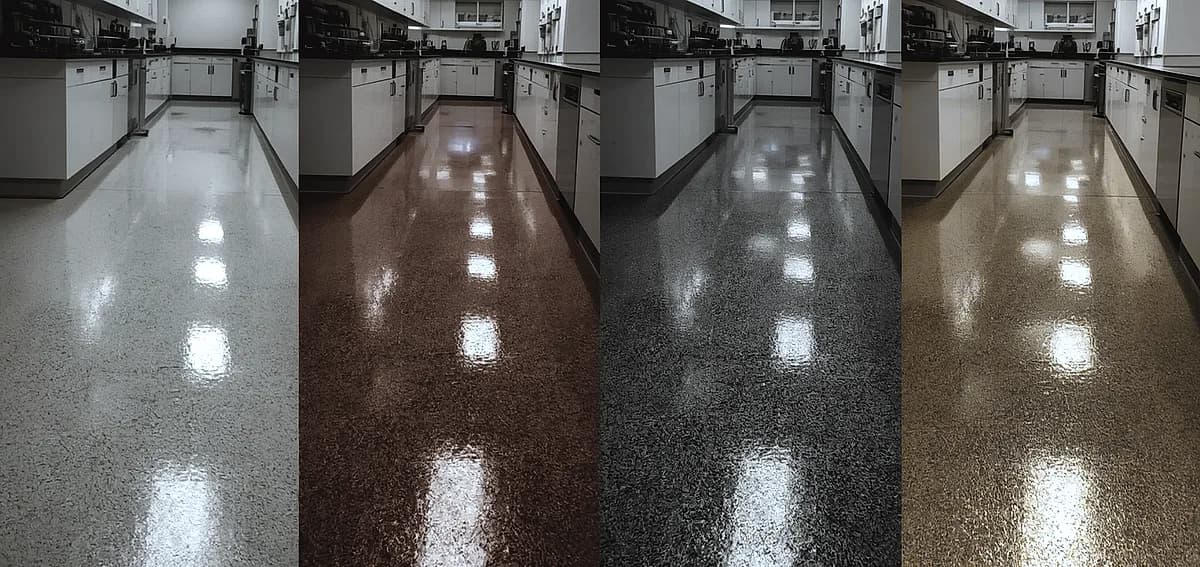
Aesthetic versatility allows resinous flooring systems to meet both functional and design requirements. These systems can be formulated in virtually any color and can incorporate decorative elements such as metallic pigments, color flakes, or quartz aggregates to create unique visual effects. The ability to create custom colors and patterns makes resinous flooring suitable for applications where appearance is as important as performance, such as retail environments or architectural showcase projects.
Safety features can be engineered into resinous flooring systems to meet specific workplace requirements. Anti-slip additives can provide traction in wet environments, while conductive formulations can prevent static buildup in electronics manufacturing or explosive environments. Bright colors and line striping can be incorporated to improve visibility and help with traffic flow and safety marking in industrial facilities. These safety features can be integrated into the flooring system rather than applied as separate materials, ensuring long-term durability and effectiveness.
Frequently Asked Questions
What is the typical lifespan of resinous flooring systems?
Properly installed resinous flooring systems typically last 15-25 years in most commercial and industrial applications, with some high-quality systems lasting even longer with appropriate maintenance. The actual lifespan depends on factors such as traffic levels, chemical exposure, maintenance practices, and the specific resin system selected for the application.
How long does resinous flooring take to cure?
Curing times vary significantly based on the resin type and environmental conditions. Fast-cure systems like polyaspartic or MMA can often return to service within 24 hours, while traditional epoxy systems may require 3-7 days for full cure. Light foot traffic is typically allowed sooner than heavy equipment loads or chemical exposure.
Can resinous flooring be applied over existing floors?
Resinous flooring can often be applied over existing concrete floors, but proper substrate preparation is critical for success. Existing coatings, sealers, or contaminants must typically be removed to ensure proper adhesion. Professional evaluation by experienced contractors like National Concrete Polishing is recommended to determine feasibility and preparation requirements.
What maintenance is required for resinous flooring systems?
Resinous flooring systems require minimal maintenance compared to traditional flooring materials. Regular cleaning with appropriate cleaners, prompt cleanup of spills, and periodic inspection for damage are typically sufficient. Some systems may benefit from periodic recoating of high-traffic areas to maintain optimal appearance and performance.
Are resinous flooring systems environmentally friendly?
Modern resinous flooring systems often feature low-VOC formulations that contribute to better indoor air quality. Many systems are also designed for long service life, reducing the environmental impact of frequent floor replacement. Some manufacturers offer systems with recycled content or other sustainable features.
How do resinous flooring costs compare to other options?
While initial installation costs for resinous flooring may be higher than some alternatives, the long-term value is often superior due to extended service life and reduced maintenance requirements. Life-cycle cost analysis typically shows resinous flooring to be cost-effective for most commercial and industrial applications.
Can resinous flooring systems be repaired if damaged?
Most resinous flooring systems can be repaired if damaged, though the repair method depends on the extent and type of damage. Small areas can often be patched or spot-repaired, while larger damaged areas may require section replacement. Professional assessment helps determine the most appropriate repair approach.
What factors should be considered when selecting a resinous system?
Key factors include the intended use environment, chemical exposure, traffic levels, aesthetic requirements, budget considerations, and installation timeline. Professional consultation with experienced flooring contractors helps ensure the selected system meets all project requirements and provides optimal long-term performance.
Conclusion
Resinous flooring systems represent a sophisticated solution for modern flooring challenges, offering unmatched durability, versatility, and performance across a wide range of applications. Understanding what resinous flooring is and how it can be effectively implemented in projects enables property owners, facility managers, and design professionals to make informed decisions that provide long-term value and superior performance.
The continued evolution of resinous flooring technology promises even better performance characteristics, faster installation methods, and more sustainable formulations in the future. As industries continue to demand higher performance standards from their flooring systems, resinous solutions are well-positioned to meet these evolving needs while providing the reliability and durability that have made them the preferred choice for demanding applications.
For projects considering resinous flooring systems, working with experienced professionals like National Concrete Polishing ensures proper system selection, installation, and long-term performance. The investment in quality resinous flooring pays dividends through reduced maintenance costs, extended service life, and superior performance that keeps facilities operating efficiently for decades to come.
Written by

Founder and CEO
Chris Lavin is an esteemed leader in concrete polishing and epoxy coatings with a distinguished 20-year career. As founder and CEO of National Concrete Polishing and owner of Xtreme Polishing Systems, he's renowned for polishing and epoxy coating more floors than anyone globally. Chris is recognized for his innovative approach and commitment to enhancing floor durability and aesthetics. His hands-on experience and technical proficiency make him a respected authority and a valuable resource in the field of floor polishing and coatings.
Same topic
Related articles
All stories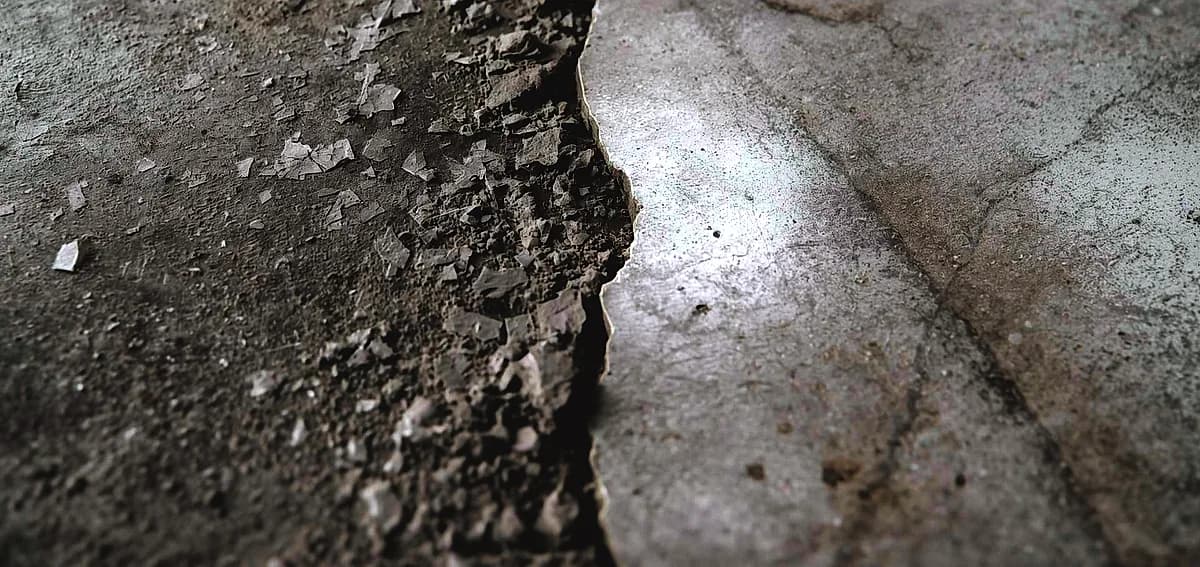
Epoxy & coatings8 min read
DIY vs Professional Epoxy Flooring in Fort Lauderdale
Hardware stores heavily market all-in-one boxes that promise a showroom finish with minimal effort.
Read it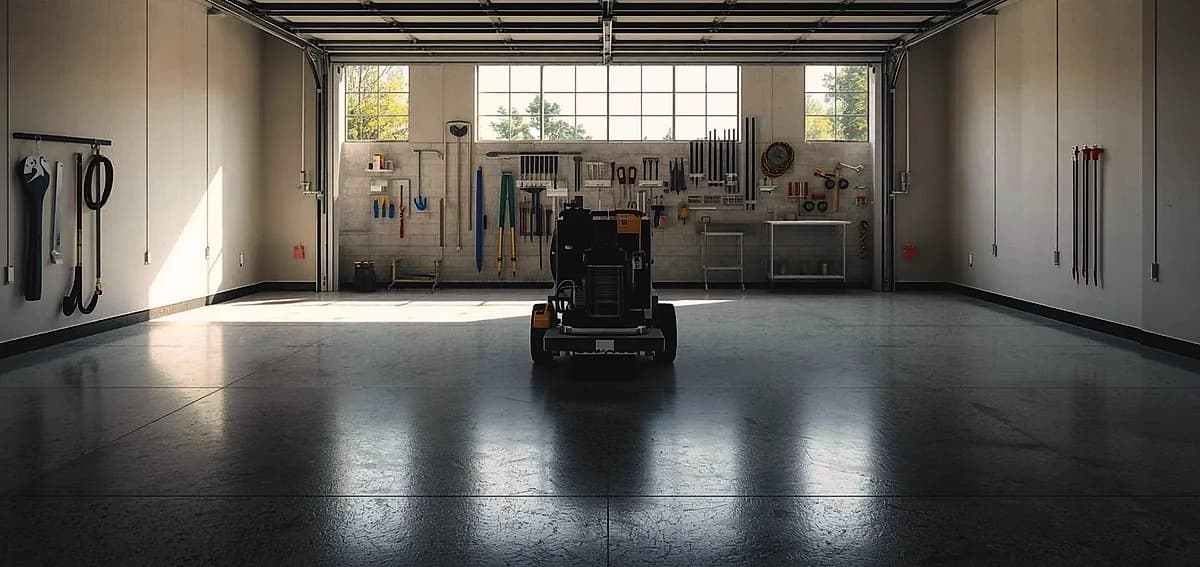
Epoxy & coatings8 min read
Can You DIY Epoxy Flooring in Miami? Pros, Cons, and Tips
Applying a durable floor finish in a tropical or highly humid climate presents unique environmental challenges.
Read it
Epoxy & coatings7 min read
DIY Epoxy Flooring in South Florida: Is It Worth the Risk?
However, these products generally contain high levels of water or solvents to extend their pot life.
Read it
Tell us about the floor
Tell us the space and roughly how big it is.We come back with what it would cost and when we could start.
Prefer to talk? Call +1 844-876-5474
- Leads@
nationalconcretepolishing.net - 2200 NW 32nd St #600,
Pompano Beach, FL 33069 Mon to Fri, 9:00 to 5:30