
The NCP blog
Reasons for Powdery Concrete Surfaces Before Treatment
Polished concrete9 min read
Over 80% of untreated slabs in South Florida develop a mysterious white coating within their first year.
Over 80% of untreated slabs in South Florida develop a mysterious white coating within their first year. This chalky residue isn’t dust – it’s efflorescence, nature’s fingerprint on construction materials.
When moisture travels through masonry, it dissolves natural salts from cement and aggregates. Like a sponge wicking water upward, your slab pushes these minerals outward. Evaporation leaves behind crystal deposits that resemble powdered sugar.
High humidity and frequent rains create perfect conditions for this process. Poor drainage or rushed curing times worsen the issue. The result? A surface that looks weathered before its time.
You’ll notice this phenomenon most where water meets porous surfaces. Driveways, patios, and pool decks become prime targets. The good news? Understanding these mechanics helps you stop the cycle.
Introduction to Powdery Concrete Surfaces
Salt crystals forming on masonry confuse many property owners. These deposits emerge when water carries minerals through porous structures. The process leaves behind a signature chalky layer that’s easily recognizable.
Overview of the Issue
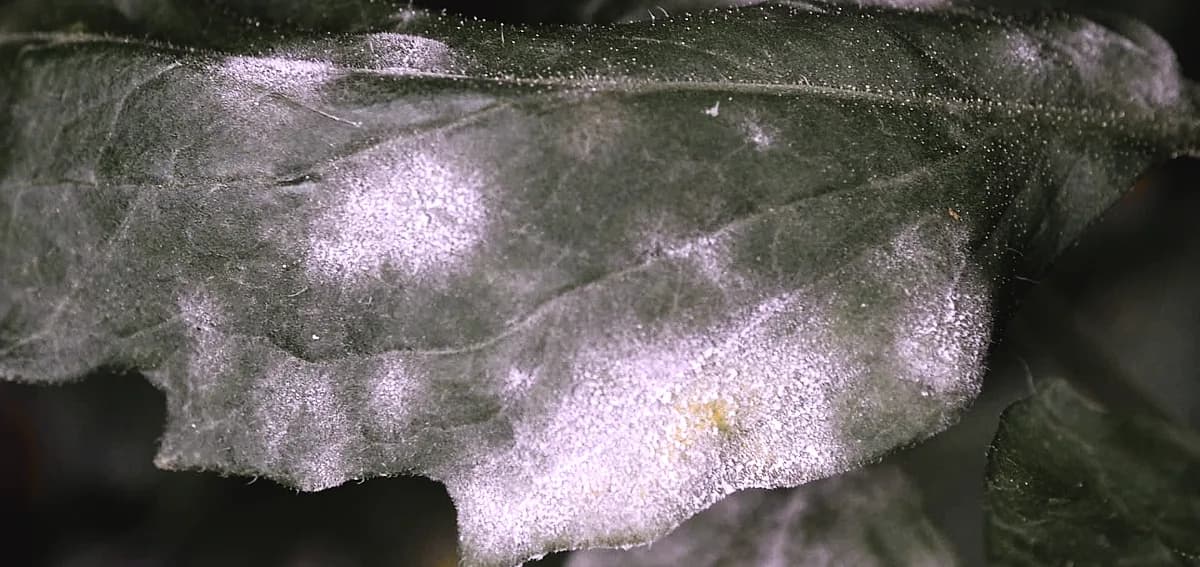
Efflorescence appears as a white powdery film or cloudy haze. On unsealed floors, rain and foot traffic usually remove it naturally. Sealed surfaces trap minerals beneath protective coatings, creating stubborn blemishes.
This phenomenon doesn’t weaken structures but suggests excess moisture. Prolonged dampness could encourage mold growth if unaddressed. Contractors often spot these deposits during finishing work.
Why It Matters to Homeowners and Contractors
For residents, efflorescence means unexpected maintenance costs. What starts as a minor eyesore can lead to expensive resealing projects. Professionals face callbacks when clients notice post-treatment discoloration.
| Factor | Unsealed Concrete | Sealed Concrete |
|---|---|---|
| Appearance | Temporary white dust | Permanent cloudy patches |
| Removal Difficulty | Easy (natural erosion) | Requires stripping sealant |
| Moisture Indication | Normal evaporation | Potential drainage issues |
| Cost Implications | $0-$100 cleaning | $500+ resealing |
Preventive measures during construction save money long-term. Proper curing times and drainage planning reduce mineral migration risks. Both parties benefit from understanding these interactions early.
Concrete Composition and Mix Design Insights
Material science determines whether your slabs stay pristine or develop white blooms. The battle against mineral deposits starts at the mixing stage, where ingredient choices dictate long-term performance.
Role of Portland Cement and Soluble Salts
Portland cement brings hidden baggage – calcium hydroxide and alkali salts. These dissolve when moisture penetrates the matrix. As water evaporates, it deposits crystals like sodium sulfate on exterior surfaces.
Higher cement content means more soluble materials available for migration. Contractors using standard mixes often face recurring issues. Each batch contains enough salts to fuel multiple efflorescence cycles.
Influence of Fly Ash and Water Reducers
Replacing 15-20% of Portland cement with fly ash cuts efflorescence risks three ways. It reduces free lime, binds existing salts chemically, and creates denser concrete through pozzolanic reactions. Less water gets trapped in the matrix.
| Mix Component | Effect on Efflorescence | Practical Benefit |
|---|---|---|
| Portland Cement | Increases salt content | Standard strength |
| Fly Ash (20%) | Reduces free lime by 40% | Lower maintenance |
| Water Reducer | Enables 0.45 w/c ratio | Faster curing |
Water-reducing admixtures let you achieve ideal 0.45 water-cement ratios without sacrificing workability. This tighter matrix blocks moisture pathways. Fewer channels mean less salt transportation to the surface.
Smart mix designs address efflorescence at its source. You gain durable slabs that resist environmental pressures. The right balance of materials saves time and money across the project lifecycle.
Environmental Influences on Concrete Powderiness
South Florida’s climate acts like a laboratory for testing concrete durability. Daily humidity averages 74%, while summer rains deliver 60 inches of annual precipitation. These elements team up to create ideal conditions for mineral migration.
Morning dew combines with afternoon showers to keep surfaces damp for hours. This extended wetness gives dissolved salts more time to travel upward. You’ll notice faster efflorescence formation near coastal zones where saltwater intrusion adds extra minerals.
Effects of Ambient Moisture and Temperature
Humid air slows evaporation, leaving more moisture in concrete pores. Contractors working in these conditions often see crystalline blooms within weeks. Temperature swings between 90°F days and 75°F nights worsen the issue through thermal expansion.
| Factor | Dry Season Impact | Wet Season Impact |
|---|---|---|
| Moisture Evaporation | Faster | Slower |
| Salt Deposition | Thin layers | Thick crusts |
| Removal Frequency | Every 6 months | Monthly |
Groundwater levels rise 18 inches during rainy months, introducing new moisture sources. This hydraulic pressure pushes water through slab undersides. Combined with surface dampness, it creates a moisture sandwich that continuously moves salts.
Follow ACI 306 guidelines even in warm climates. Maintaining 60°F concrete temperatures during placement reduces bleeding. Insulated blankets help achieve denser matrices that resist environmental pressures.
Primary vs Secondary Efflorescence in Concrete
Efflorescence reveals itself in two distinct forms, each requiring different approaches. Contractors must recognize these variations to implement effective solutions. The key difference lies in moisture origin and persistence.
Defining Primary Efflorescence
Primary efflorescence emerges during initial curing. Mix water evaporates through fresh slabs, transporting dissolved cement salts upward. These crystal deposits typically form within 28 days of placement.
Cold weather increases salt solubility, creating thicker deposits. Most projects experience this temporary condition that gradually decreases as internal salts deplete. Simple brushing or rainwater often removes these surface residues.
Understanding Secondary Efflorescence
Secondary efflorescence signals external moisture infiltration. Groundwater, improper drainage, or excessive cleaning introduces new water sources. This continuous cycle deposits fresh salts long after installation.
- Recurs despite cleaning efforts
- Indicates foundation moisture issues
- Requires vapor barrier installation
- Demands drainage system evaluation
Diagnostic tests help identify moisture paths. Calcium chloride tests measure vapor emission rates, while infrared scans locate trapped water. Addressing root causes prevents repeat occurrences.
Deep Dive: what causes concrete surfaces to become powdery before treatment
The formation of powdery deposits begins with a hidden water highway system within masonry. Moisture acts like a freight train, dissolving natural salts from cement and aggregates. This solution travels upward through capillary channels, escaping as vapor through porous areas.
Three critical elements combine to create efflorescence: soluble minerals, moisture movement, and evaporation points. High-slump mixes containing extra water leave behind interconnected pores when curing. These microscopic tunnels become permanent pathways for salt-laden vapor.
Common accelerators like calcium chloride introduce double trouble. They add chloride ions that bond with calcium hydroxide, creating highly mobile salts. Decorative processes involving water (staining, polishing) reactivate dormant minerals in cured slabs.
- Excess mix water expands the capillary network
- Temperature swings drive vapor transmission
- Additives increase available soluble salts
- Surface treatments trap migrating minerals
You’ll see the worst cases where multiple factors collide. Cool-weather pours using accelerants followed by rainy seasons create perfect storms. The cycle continues until either moisture sources dry up or salt supplies deplete.
Stopping efflorescence requires disrupting this transportation system. Proper mix designs reduce soluble content, while vapor barriers block upward moisture flow. Controlling these variables helps maintain clean, durable surfaces.
Moisture and Vapor Transmission in Concrete Slabs
Moisture behaves like an invisible freight train inside cured slabs, carrying dissolved salts toward evaporation points. This hidden process explains why some installations develop efflorescence despite proper curing. The key lies in understanding vapor dynamics and testing protocols.
Mechanisms of Vapor Migration
Concrete’s capillary network acts like microscopic highways. Vapor moves from high-humidity zones (below slabs) to drier areas (surface). Poorly compacted mixes with high water content create wider pathways, accelerating mineral transport.
Density determines migration speed. Low 0.45 water-cement ratio concrete slows vapor movement by 60% compared to standard mixes. Seasonal humidity changes intensify this process – summer moisture penetrates deeper, while winter drying pulls salts upward.
Methods of Testing Moisture Levels
Contractors use three primary diagnostics:
| Test | Procedure | Data Type | Best For |
|---|---|---|---|
| Plastic Sheet | 18″x18″ poly taped for 16 hours | Visual (condensation) | Quick field checks |
| Calcium Chloride | 72-hour covered dish measurement | lbs/1000sqft/day | Sealer compatibility |
| Digital Meters | Non-invasive depth readings | %MC at 20mm depth | Hidden moisture detection |
Protimeter and Tramex devices provide instant subsurface readings. These tools help predict long-term efflorescence risks by mapping moisture distribution. Remember: Tests fail when ambient humidity matches slab conditions.
Choose methods based on project stage. Pre-treatment evaluations demand quantitative data from calcium chloride tests. Post-installation troubleshooting benefits from digital meters’ depth analysis.
Impact of Admixtures and Construction Practices
Construction crews often create lasting issues while chasing short-term efficiency. The industry’s widespread use of quick-fix methods sets the stage for recurring mineral deposits. Let’s examine how common shortcuts backfire over time.
The Water of Convenience Dilemma
Adding extra water during finishing seems harmless but has severe consequences. This “convenience” increases porosity by 30%, creating permanent pathways for salt migration. Each gallon added reduces slab durability while raising efflorescence risks.
| Problematic Practice | Consequence | Prevention Strategy |
|---|---|---|
| High-slump concrete | Wider capillary channels | Use plasticizers instead |
| Calcium chloride accelerants | Introduces soluble salts | Non-chloride alternatives |
| Overwatering during finishing | Weakens surface layer | Train crews on proper techniques |
| Ignoring weather conditions | Accelerated salt migration | Follow ACI 306 temperature guidelines |
Calcium chloride remains popular despite its dual threat. It adds chloride ions that bond with cement compounds, forming highly mobile salts. Cool-weather applications amplify these effects through extended curing times.
Certified finishers make critical differences. ACI-trained professionals reduce water usage by 22% compared to uncertified crews. Their techniques maintain workability without compromising density.
Three prevention steps yield immediate results:
- Specify maximum 0.45 water-cement ratios
- Ban calcium chloride in decorative applications
- Require moisture testing before sealing
These measures cost 5% more upfront but prevent 85% of post-treatment issues. Your slabs stay cleaner longer when crews prioritize science over speed.
Diagnosing Efflorescence in South Florida Conditions
South Florida’s environment creates a perfect storm for persistent mineral deposits. The combination of porous limestone bedrock and extreme weather patterns demands specialized evaluation techniques. Professionals like National Concrete Polishing use region-specific strategies to pinpoint moisture sources and prevent recurring issues.
Groundwater Dynamics and Surface Flow
High water tables sit just 2-4 feet below ground here, keeping slabs constantly damp. During summer storms, groundwater rises 18 inches within hours. This pushes moisture upward through concrete pores, carrying dissolved minerals from limestone-rich soil.
Check drainage patterns around your home. Water should flow away from foundations at 5% slope. Many properties here have flat yards, causing puddling that seeps into slab edges. French drains or swales redirect surface runoff effectively.
National Concrete Polishing teams map subsurface moisture paths using infrared scanners. Their approach considers seasonal changes – what works in dry winter months often fails during hurricane season. Proactive drainage planning reduces efflorescence risks by 70% in coastal homes.
Addressing these conditions requires dual solutions: vapor barriers beneath slabs and graded landscaping. Combining both methods creates lasting protection against salt migration, even during record rainfall years.
Frequently Asked Questions
How does Portland cement lead to powdery residue on slabs?
Portland cement contains soluble salts like calcium hydroxide. When moisture moves through the slab, these salts dissolve, migrate to the surface, and crystallize as efflorescence after evaporation.
Why does hydrostatic pressure worsen efflorescence?
Hydrostatic pressure forces groundwater upward through porous concrete. This accelerates salt transport to the surface, especially in slabs without proper vapor barriers or drainage systems.
Can using calcium chloride additives cause surface issues?
Yes. Calcium chloride accelerators increase the risk of salt deposits by introducing chloride ions into the mix. These react with cement compounds, forming soluble byproducts that rise with moisture.
How do South Florida’s climate conditions affect efflorescence?
High humidity slows evaporation, prolonging moisture exposure in slabs. Frequent rain and poor drainage also elevate hydrostatic pressure, pushing more salts toward the surface over time.
What’s the difference between primary and secondary efflorescence?
Primary efflorescence occurs during initial curing as excess water exits the slab. Secondary efflorescence happens later due to external water intrusion, like leaks or groundwater seepage.
Why do brick or masonry surfaces show white stains more often?
Mortar joints and porous bricks absorb water, dissolving inherent salts. As moisture evaporates, these salts accumulate on the surface, creating visible white deposits.
How can you test for moisture-related powdering risks?
Use ASTM F1869 (calcium chloride tests) or in-situ relative humidity probes. These measure vapor emission rates, helping determine if sealing or drying is needed before treatment.
Does sealing prevent salt migration in garage floors?
Penetrating sealers like silane/siloxane blends reduce water absorption but won’t stop internal salt movement. Epoxy coatings provide better barrier protection if adhesion isn’t compromised by existing efflorescence.
Written by

Founder and CEO
Chris Lavin is an esteemed leader in concrete polishing and epoxy coatings with a distinguished 20-year career. As founder and CEO of National Concrete Polishing and owner of Xtreme Polishing Systems, he's renowned for polishing and epoxy coating more floors than anyone globally. Chris is recognized for his innovative approach and commitment to enhancing floor durability and aesthetics. His hands-on experience and technical proficiency make him a respected authority and a valuable resource in the field of floor polishing and coatings.
Same topic
Related articles
All stories
Polished concrete11 min read
Polished Concrete vs Epoxy Coatings: Which Floor Is Right for Your Space?
Two systems, two price curves, one slab. What each one costs to install and to keep, and which spaces each one actually suits.
Read it
Polished concrete8 min read
What to Know Before Polishing Your Existing Concrete Slab
Before any mechanical refinement can begin, a thorough evaluation of the current foundation is required.
Read it
Polished concrete8 min read
Is Polished Concrete Worth the Investment for Miami Properties?
It is essential to distinguish between a simple topical seal and mechanically refined concrete.
Read it
Tell us about the floor
Tell us the space and roughly how big it is.We come back with what it would cost and when we could start.
Prefer to talk? Call +1 844-876-5474
- Leads@
nationalconcretepolishing.net - 2200 NW 32nd St #600,
Pompano Beach, FL 33069 Mon to Fri, 9:00 to 5:30