The NCP blog
When Shot Blasting is Required for Concrete Repairs
Polished concrete10 min read
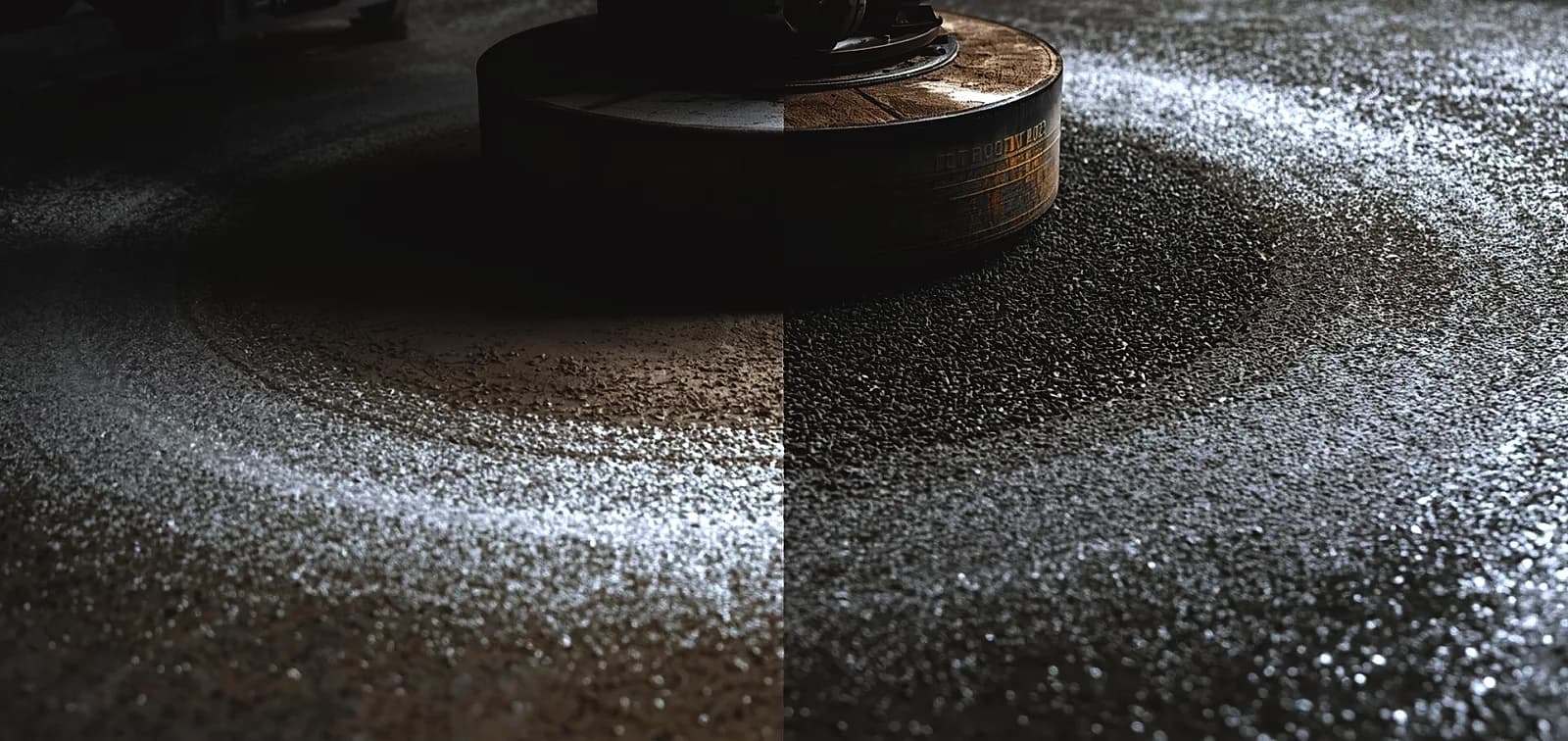
Shot blasting uses high-velocity steel shot to remove contaminants and expose sound concrete before a repair.
Shot blasting has become an indispensable technique in the concrete repair industry, serving as a critical preparatory step that determines the success of virtually every restoration project. This mechanical surface preparation method uses high-velocity steel shot to remove surface contaminants, create optimal surface profiles, and expose sound concrete substrates necessary for effective repairs. Understanding when shot blasting is required can mean the difference between a repair that lasts decades and one that fails within months.
The process of shot blasting concrete repair involves more than simply cleaning the surface. It’s a precision operation that addresses multiple challenges simultaneously: removing deteriorated concrete layers, eliminating contaminants that could compromise adhesion, creating the proper surface texture for new materials to bond effectively, and revealing the true condition of the underlying substrate. This comprehensive approach makes shot blasting an essential tool for professional contractors who demand lasting results.
Modern concrete structures face numerous challenges that necessitate repair work. From industrial facilities dealing with chemical exposure to parking garages suffering from freeze-thaw cycles, the need for effective concrete restoration continues to grow. Traditional preparation methods often fall short when dealing with severely contaminated or deteriorated surfaces, making shot blasting the preferred choice for demanding applications.
The versatility of shot blasting extends across various concrete repair scenarios. Whether addressing delaminated concrete in bridge decks, preparing surfaces for protective coatings in chemical plants, or removing failed overlays in commercial facilities, this technique provides the thorough preparation required for successful repairs. The ability to adjust blast parameters allows contractors to customize the process for specific project requirements, ensuring optimal results regardless of the application.
Key Takeaways
Surface Contamination Removal: Shot blasting effectively removes oil, grease, paint, sealers, and other contaminants that prevent proper adhesion of repair materials. Unlike chemical methods, it provides immediate, visible results without introducing additional chemicals to the substrate.
Optimal Surface Profile Creation: The process creates the precise surface roughness required for different repair materials, typically achieving profiles ranging from CSP-3 to CSP-9 according to ICRI standards. This controlled texturing ensures maximum mechanical bond strength.
Delaminated Concrete Removal: Shot blasting efficiently removes loose, deteriorated, or weakened concrete layers that could compromise repair integrity. The impact energy reveals and eliminates areas that might not be visible to conventional inspection methods.
Coating and Overlay Removal: Failed protective coatings, overlays, or previous repair materials are completely removed without damaging the underlying substrate. Shot blasting will effectively remove coatings 8 mils or less, though thicker coatings may require grinding.
Surface Preparation Standards: Shot blasting produces measurable, consistent outcomes that can be verified using standard testing methods, typically achieving SSPC-SP 11 cleanliness standards.
Versatile Parameter Control: Blast wheel speed, shot flow rate, machine travel speed, and shot size can all be modified to match specific surface conditions and project requirements.
Dust Collection Compliance: Modern shot blasting equipment includes comprehensive dust collection systems that capture airborne particles and prevent environmental contamination.
Professional Installation Importance: Working with experienced contractors like National Concrete Polishing ensures proper equipment selection, parameter adjustment, and quality control throughout the preparation process.
Understanding Shot Blasting in Concrete Repair Applications
Shot blasting concrete repair represents a sophisticated approach to surface preparation that goes far beyond simple cleaning. The process utilizes centrifugal force to propel steel shot at high velocity against concrete surfaces, creating controlled impact energy that removes surface materials while simultaneously texturing the substrate. This dual action makes shot blasting uniquely effective for preparing concrete surfaces that require both cleaning and profiling in a single operation.
The equipment used in shot blasting operations consists of several critical components working in harmony. The blast wheel, powered by electric motors, accelerates steel shot to high velocities. This high-energy impact removes surface contaminants and creates the desired surface profile. Simultaneously, a powerful vacuum system captures the steel shot, debris, and dust, allowing the shot to be recycled while containing environmental hazards.
Professional contractors choose shot blasting when project specifications demand precise surface preparation results. The process provides measurable, consistent outcomes that can be verified using standard testing methods. Surface cleanliness levels typically achieve SSPC-SP 11 standards, while surface profiles can be controlled to meet specific project requirements. This level of precision is particularly important when applying high-performance coatings or specialized repair materials that require exact surface conditions.
The versatility of shot blasting equipment allows contractors to adjust multiple parameters to achieve optimal results. Blast wheel speed, shot flow rate, machine travel speed, and shot size can all be modified to match specific surface conditions and project requirements. This flexibility enables effective treatment of everything from lightly contaminated surfaces requiring minimal preparation to heavily deteriorated concrete needing aggressive removal of unsound material.
Critical Situations Requiring Shot Blasting for Concrete Repairs
Certain concrete conditions absolutely require shot blasting to ensure successful repairs. Surfaces contaminated with oil, grease, or chemical substances present one of the most common scenarios where shot blasting becomes essential. These contaminants penetrate into the concrete pores, creating barriers that prevent proper adhesion of repair materials. The removal of these contaminants must be accomplished before creating a surface profile, as contamination affects both adhesion and performance of applied materials.
Delaminated or spalled concrete represents another critical situation where shot blasting is indispensable. Deteriorated or spalled concrete should be removed back to sound concrete, and shot blasting provides the most effective method for achieving this removal while simultaneously preparing the exposed surface for repair materials. The process efficiently removes loose, deteriorated, or weakened concrete layers that could compromise repair integrity.
Failed coating systems or previous repair materials create complex preparation challenges that shot blasting addresses effectively. Shot blasting will only remove coatings 8 mils or less; if thicker, grinding the coatings from the surface yields the best result. When protective coatings lose adhesion or repair materials begin to fail, complete removal becomes necessary to prevent future problems.
Concrete surfaces with laitance or weak surface layers require shot blasting to expose the stronger substrate beneath. Even new floors must be prepared to remove any curing compounds or sealers and to open up the pores in the concrete. Before any coating application, testing whether water soaks into the floor or beads up on the surface helps determine if proper preparation has been achieved.
Reinforcing steel preparation often requires shot blasting as part of comprehensive repair procedures. Corrosion products on reinforcing bars should be removed by abrasive or high-pressure water blasting, and exposed reinforcing steel must be undercut to provide mechanical bond for repair materials.
Surface Profile Requirements and Shot Blasting Specifications
The success of concrete repair projects depends heavily on achieving the correct surface profile, and shot blasting provides precise control over this critical parameter. Surface profile refers to the depth and pattern of surface roughness created during preparation, measured according to established industry standards. The International Concrete Repair Institute (ICRI) has developed Concrete Surface Profile (CSP) standards, with shot blasting typically producing profiles between CSP-3 and CSP-9.
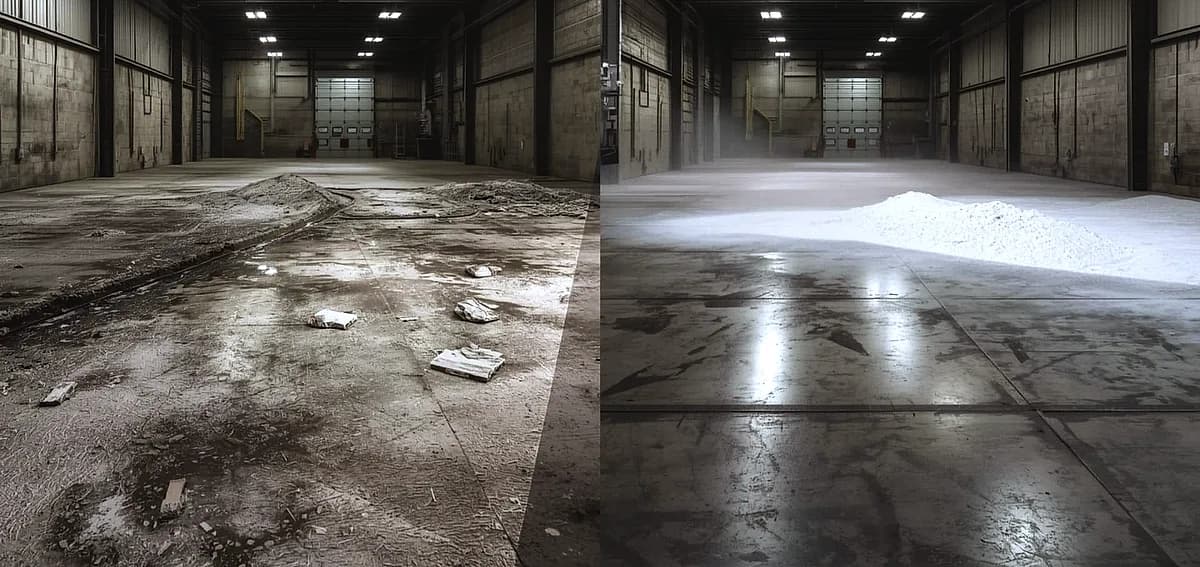
Different repair materials require specific surface profiles for optimal performance. The final surface profile required determines the size of the shot and blast parameters used. Larger shot sizes create more aggressive profiles and deeper textures, while smaller shot produces lighter profiles suitable for thin coatings. This precision ensures that repair materials achieve maximum adhesion and long-term performance.
Adjusting blast parameters controls the intensity and results of shot blasting operations. If shot blasting is to be used, blasting an area using different abrasive sizes and travel speeds helps determine the optimal settings for desired results. A larger shot size or a mix of steel shot and grit is more aggressive, while travel speed variations affect the depth of material removal.
The relationship between surface profile and adhesion strength is well-documented in industry research. Taking steps to correctly prepare the existing concrete surface saves time and money, and can substantially reduce the possibility of coating failure. Inadequate surface profiles result in weak mechanical bonds that fail under stress, while proper preparation ensures long-term repair success.
Quality control during shot blasting operations involves regular monitoring of surface profile using replica tape or digital profiling instruments. These measurements ensure consistency across the entire project area and verify compliance with specification requirements. Before proceeding with full-scale work, performing test surface repairs in various locations helps verify that preparation methods achieve desired results.
Equipment Selection and Operational Considerations
Selecting appropriate shot blasting equipment for concrete repair projects requires careful consideration of multiple factors including surface area, accessibility, contamination levels, and desired production rates. Walk-behind units offer excellent maneuverability for smaller areas and complex geometries, while ride-on machines provide higher productivity for large, open surfaces. The choice between these options significantly impacts project efficiency and cost-effectiveness.
Shot media selection affects both surface preparation results and operational costs. Steel shot provides excellent durability and recycling characteristics, making it suitable for most concrete repair applications. Shot size influences surface profile depth and blast aggressiveness, with larger shot creating deeper profiles and more aggressive cleaning action. If rubberized coatings are present, testing a mix of steel shot and grit introduces more sharp edges in the abrasive mix, which cuts through coating more effectively.
Operational parameters require continuous adjustment based on surface conditions and desired results. The travel speed of the shot blast unit can be adjusted to vary results—slower travel speeds tend to remove more material than if the shot blaster is moved quickly over the surface. The distance from the surface down to the first major layer of aggregate is the limiting factor for the amount of surface removed.
Dust collection capability represents a critical consideration for both worker safety and environmental compliance. Modern shot blasting equipment incorporates high-efficiency filtration systems that capture airborne particles and prevent environmental contamination. These systems protect workers from silica exposure while maintaining productivity.
National Concrete Polishing Expertise
National Concrete Polishing brings extensive experience in shot blasting concrete for repair applications throughout South Florida. Our team understands the critical importance of proper surface preparation in ensuring long-lasting concrete repairs. We utilize state-of-the-art shot blasting equipment and proven techniques to achieve optimal surface profiles that meet or exceed industry standards.
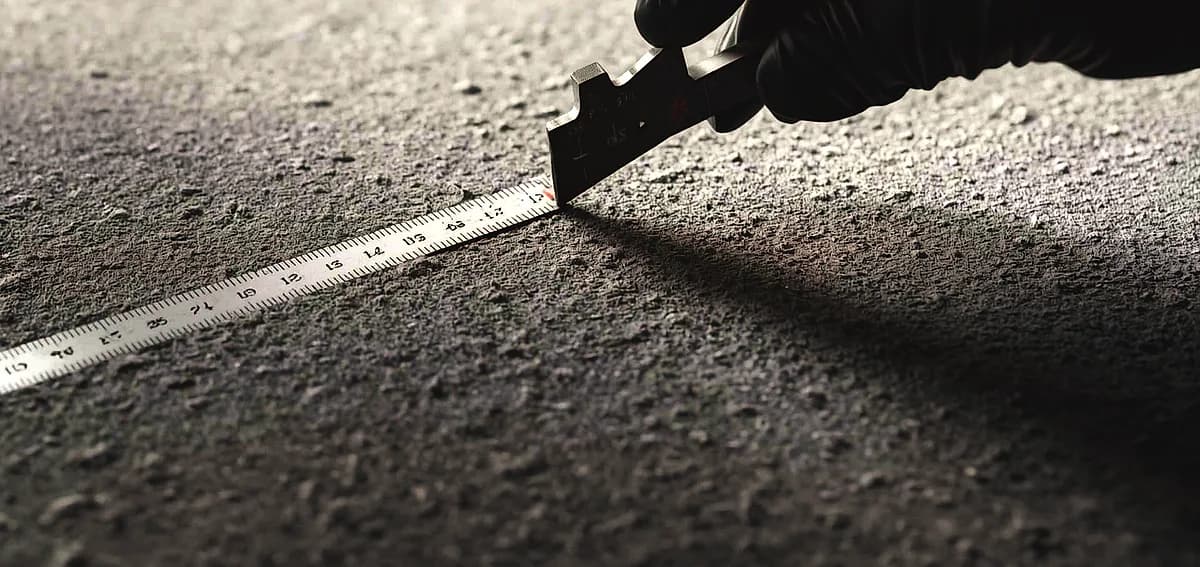
Our comprehensive approach includes thorough evaluation of existing conditions, appropriate equipment selection, and precise parameter adjustment to match specific project requirements. We maintain strict quality control throughout the preparation process, conducting regular surface profile measurements and cleanliness verification. Our expertise with concrete surface profiles ensures that repair materials achieve maximum adhesion and long-term performance.
Frequently Asked Questions
When is shot blasting required instead of other surface preparation methods?
Shot blasting is required when surfaces have heavy contamination, failed coatings, or delaminated concrete that cannot be effectively removed by grinding or chemical methods. It’s also necessary when specifications require specific surface profiles that other methods cannot achieve consistently.
How deep does shot blasting remove concrete material?
Shot blasting typically removes material from the surface down to the first major layer of aggregate, with the depth controlled by adjusting shot size, blast intensity, and machine travel speed. The distance to the first major aggregate layer is the limiting factor for removal depth.
Can shot blasting damage sound concrete?
When properly executed by experienced operators, shot blasting removes only deteriorated material while preserving sound concrete. The process should be carefully controlled to avoid unnecessary damage to substrate concrete.
What surface profile does shot blasting create?
Shot blasting typically produces surface profiles ranging from CSP-3 to CSP-9 according to ICRI standards. The specific profile depends on shot size, blast intensity, and machine parameters, which can be adjusted to meet project requirements.
What happens to coating materials during shot blasting?
Shot blasting will only remove coatings 8 mils or less effectively. If thicker coatings are present, grinding from the surface yields better results. For rubberized coatings, a mix of steel shot and grit may be necessary to cut through the material effectively.
How is shot blasting quality controlled?
Quality control involves performing test patches using different abrasive sizes and travel speeds, monitoring surface profile with replica tape or digital instruments, and verifying that preparation meets specification requirements.
Is shot blasting environmentally safe?
Modern shot blasting equipment includes comprehensive dust collection systems that capture airborne particles and prevent environmental contamination. Proper waste management and disposal procedures ensure environmental compliance.
How long does shot blasting take compared to other methods?
Shot blasting is typically one of the most efficient methods for large-area concrete preparation. Production rates vary based on equipment size, surface conditions, and desired profile depth, but the method generally offers faster results than manual grinding or chemical preparation.
Conclusion
Shot blasting represents a critical technology in modern concrete repair applications, providing the thorough surface preparation necessary for long-lasting repairs. The process addresses multiple preparation challenges simultaneously, removing contaminants, creating optimal surface profiles, and revealing substrate conditions that influence repair strategies. Understanding when shot blasting is required enables contractors to specify appropriate preparation methods that ensure repair success.
The precision and consistency offered by shot blasting make it indispensable for projects where failure is not acceptable. From industrial facilities requiring chemical-resistant surfaces to infrastructure projects demanding decades of service life, shot blasting provides the foundation for successful concrete repairs. The ability to control surface profile, cleanliness levels, and preparation depth gives contractors the tools necessary to meet demanding specifications.
Professional execution of shot blasting operations requires expertise in equipment selection, parameter adjustment, and quality control protocols. Companies like National Concrete Polishing bring this expertise to concrete repair projects, ensuring that surface preparation meets or exceeds industry standards. The investment in proper shot blasting preparation pays dividends through extended repair life and reduced maintenance requirements.
Written by

Founder and CEO
Chris Lavin is an esteemed leader in concrete polishing and epoxy coatings with a distinguished 20-year career. As founder and CEO of National Concrete Polishing and owner of Xtreme Polishing Systems, he's renowned for polishing and epoxy coating more floors than anyone globally. Chris is recognized for his innovative approach and commitment to enhancing floor durability and aesthetics. His hands-on experience and technical proficiency make him a respected authority and a valuable resource in the field of floor polishing and coatings.
Same topic
Related articles
All stories
Polished concrete11 min read
Polished Concrete vs Epoxy Coatings: Which Floor Is Right for Your Space?
Two systems, two price curves, one slab. What each one costs to install and to keep, and which spaces each one actually suits.
Read it
Polished concrete8 min read
What to Know Before Polishing Your Existing Concrete Slab
Before any mechanical refinement can begin, a thorough evaluation of the current foundation is required.
Read it
Polished concrete8 min read
Is Polished Concrete Worth the Investment for Miami Properties?
It is essential to distinguish between a simple topical seal and mechanically refined concrete.
Read it
Tell us about the floor
Tell us the space and roughly how big it is.We come back with what it would cost and when we could start.
Prefer to talk? Call +1 844-876-5474
- Leads@
nationalconcretepolishing.net - 2200 NW 32nd St #600,
Pompano Beach, FL 33069 Mon to Fri, 9:00 to 5:30