
The NCP blog
How to Polish Concrete by Hand: Complete DIY Guide
Polished concrete13 min read
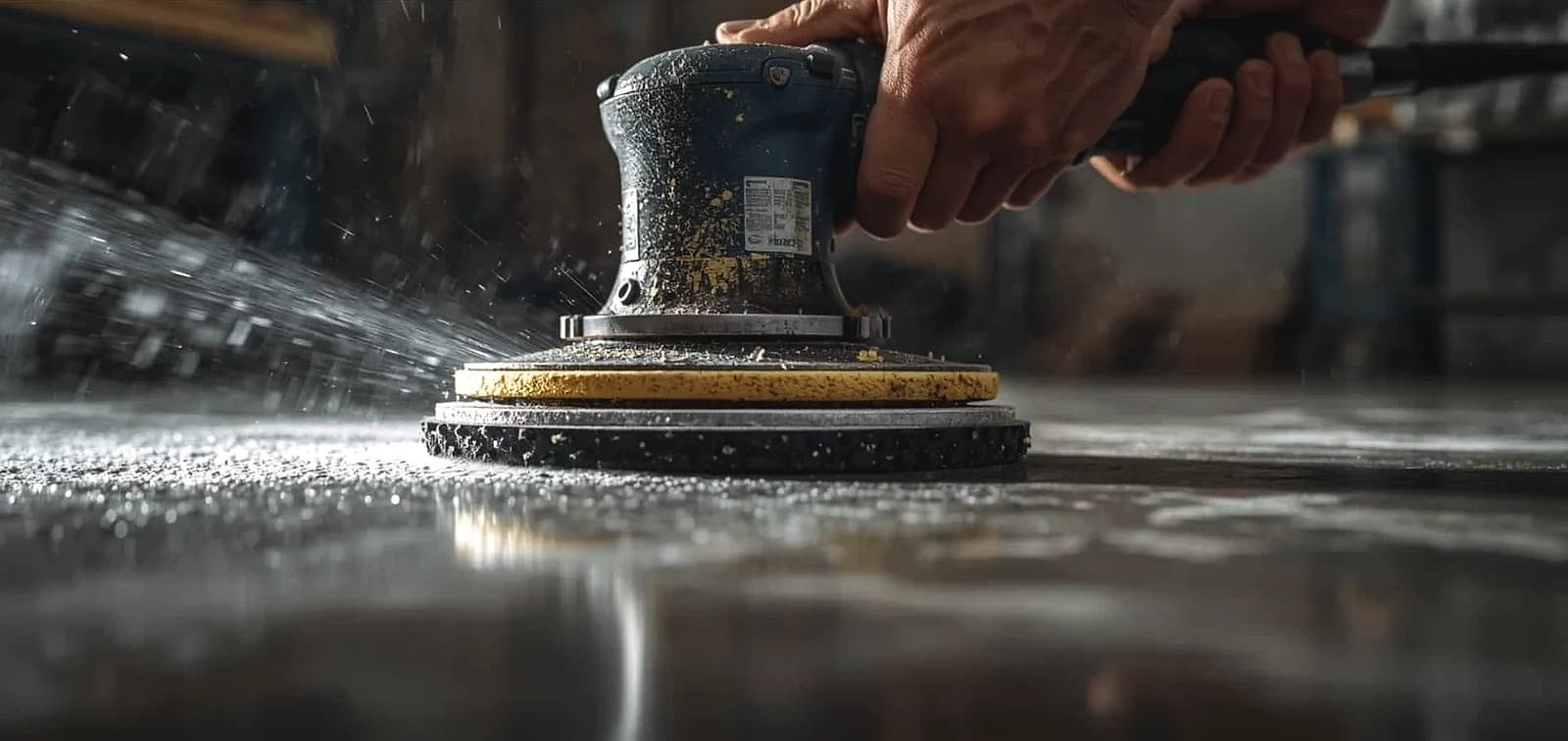
The polishing process densifies the concrete, making it less porous and more resistant to wear.
Learning how to polish concrete by hand opens up a world of possibilities for creating stunning, durable floors that rival any expensive flooring option. Hand polishing concrete has become increasingly popular among DIY enthusiasts and professional contractors alike, offering complete control over the finishing process and exceptional results when done correctly. This comprehensive guide will walk you through every step of the hand polishing process, from initial preparation to achieving that mirror-like finish you’ve always wanted.
The art of hand polishing concrete requires patience, the right tools, and a thorough understanding of the concrete polishing process. Unlike machine polishing, hand polishing concrete gives you the ability to work in tight spaces, around obstacles, and achieve detailed work that larger equipment simply cannot accomplish. Whether you’re working on a small residential project, touching up areas that machines couldn’t reach, or tackling intricate decorative concrete work, mastering hand polishing techniques is an invaluable skill.
Professional contractors like National Concrete Polishing understand that hand polishing is often the difference between a good job and an exceptional one. While machine polishing handles the bulk of large-scale projects efficiently, hand polishing allows for the precision work that creates truly professional results. The technique involves using progressively finer diamond pads and polishing compounds to gradually refine the concrete surface, removing imperfections and creating an increasingly smooth and reflective finish.
The benefits of hand polishing concrete extend beyond just aesthetics. Properly polished concrete becomes more resistant to stains, easier to clean, and significantly more durable than untreated surfaces. The polishing process densifies the concrete, making it less porous and more resistant to wear. This makes hand polishing an excellent investment for both residential and commercial applications where durability and appearance are priorities.
Throughout this guide, we’ll cover everything from selecting the right tools and materials to troubleshooting common problems that arise during the polishing process. You’ll learn about grit progression, proper technique, safety considerations, and maintenance requirements. By the end, you’ll have the knowledge and confidence to tackle your own concrete polishing project and achieve professional-quality results.
Key Takeaways
Progressive Grit System: Hand polishing concrete requires working through a series of increasingly fine diamond pads, typically starting with 50-100 grit and progressing to 3000 grit or higher for a mirror finish
Proper Surface Preparation: Success depends heavily on starting with a clean, level surface free of cracks, stains, and debris that could interfere with the polishing process
Tool Selection Matters: Handheld grinders, variable speed polishers, and quality diamond pads are essential for achieving professional results in hand polishing concrete
Water Management: Wet polishing helps control dust and heat while extending pad life, but proper drainage and cleanup are crucial for safety and results
Patience and Technique: Hand polishing concrete requires steady, overlapping passes with consistent pressure to avoid swirl marks and achieve uniform results
Safety First: Proper protective equipment including dust masks, safety glasses, and hearing protection is essential when hand polishing concrete surfaces
Densifier Application: Chemical densifiers applied during the polishing process help harden the concrete and improve the final polish quality
Quality Control: Regular inspection and testing of the surface throughout the process ensures consistent results and helps identify issues early
Maintenance Requirements: Understanding post-polishing care and maintenance helps preserve the finish and extend the life of the polished concrete
Cost-Effectiveness: While labor-intensive, hand polishing concrete can be more cost-effective than other flooring options when considering long-term durability and maintenance
Understanding the Concrete Hand Polishing Process
The concrete hand polishing process is fundamentally about gradually refining the surface through mechanical abrasion using progressively finer diamond abrasives. Unlike other flooring treatments that apply coatings or overlays, polishing works with the existing concrete to bring out its natural beauty while enhancing its performance characteristics. The process transforms ordinary concrete into a sophisticated, high-performance surface that can last for decades with proper care.
Hand polishing concrete begins with understanding the concrete itself. The age, composition, and condition of your concrete will significantly impact your approach and the results you can achieve. Newer concrete typically requires different handling than older, well-cured surfaces. The aggregate content and type also play crucial roles in determining the final appearance and the techniques you’ll need to employ during polishing.
The basic principle involves using diamond-embedded pads to gradually wear away microscopic layers of the concrete surface. Each successive grit level removes the scratches left by the previous grit while creating finer scratches of its own. This continues until the scratches become so fine that they’re invisible to the naked eye, creating the smooth, reflective surface characteristic of polished concrete. For those interested in DIY concrete floor polishing, understanding this progressive refinement is essential. The process requires patience because rushing through grits or skipping steps will result in visible scratches and an inferior finish.
Water plays a critical role in the hand polishing process, serving multiple functions including dust suppression, heat dissipation, and lubrication. Wet polishing is generally preferred for hand applications because it provides better control and produces superior results. However, managing water runoff and ensuring proper cleanup becomes an important consideration in your planning and execution.
Essential Tools and Materials for Hand Polishing
Success in hand polishing concrete starts with having the right tools and materials. The most critical piece of equipment is a quality handheld grinder or polisher capable of variable speed control. Variable speed is essential because different grits and polishing stages require different speeds for optimal results. A grinder with speeds ranging from 1,500 to 4,000 RPM gives you the flexibility needed for all stages of the polishing process.
Diamond polishing pads form the heart of your abrasive system. These pads come in various grits, typically ranging from 50 grit for heavy grinding to 3000 grit or higher for final polishing. Understanding the proper diamond grit sequence is crucial for achieving professional results. Quality pads will have consistent diamond distribution and proper bonding to ensure even wear and consistent results. Cheap pads may seem economical initially but often result in poor performance and increased costs due to frequent replacement and inferior results.
Water management equipment is crucial for wet polishing applications. This includes spray bottles or water feed systems for your grinder, wet/dry vacuums for cleanup, and proper drainage solutions. Some handheld grinders come with built-in water feed systems, which can significantly improve efficiency and results. Additionally, you’ll need squeegees, mops, and absorbent materials for managing water during and after the polishing process.
Safety equipment cannot be overlooked when hand polishing concrete. Even with wet polishing, some dust generation is inevitable, making respiratory protection essential. Safety glasses protect against flying debris, while hearing protection guards against the noise generated by grinders and polishers. Non-slip footwear is particularly important when working with water on concrete surfaces. Knee pads can provide comfort during extended polishing sessions, especially when working on large areas.
Chemical densifiers and polishing compounds enhance the polishing process and improve final results. Concrete densifiers penetrate the concrete and react chemically to harden the surface, making it easier to achieve high levels of polish. Polishing compounds used in final stages can enhance gloss and provide additional protection. Understanding when and how to apply these products is crucial for achieving professional-quality results in your hand polishing project.
Step-by-Step Hand Polishing Technique
The actual hand polishing technique requires systematic approach and consistent execution to achieve professional results. Begin with thorough concrete surface preparation, ensuring the concrete is clean, dry, and free of any coatings, sealers, or contaminants that could interfere with the polishing process. Any cracks or significant imperfections should be repaired before beginning polishing, as these issues will only become more apparent as you progress through finer grits.
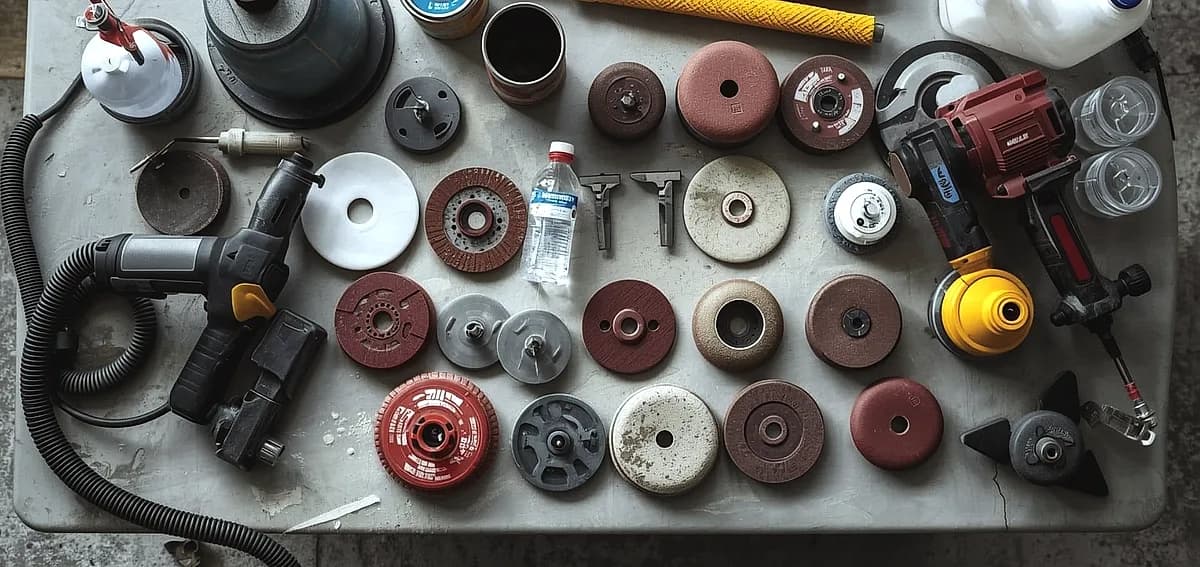
Start with your coarsest grit pad, typically 50 or 100 grit, depending on the condition of your concrete surface. Work in small sections, maintaining consistent pressure and speed while making overlapping passes. The key to avoiding swirl marks and achieving uniform results is maintaining steady movement and avoiding dwelling in any one area too long. Move the grinder in straight lines or gentle curves, overlapping each pass by approximately 50% to ensure complete coverage.
Water management during the polishing process requires constant attention. Too little water results in excessive heat buildup and premature pad wear, while too much water can create safety hazards and complicate cleanup. The ideal amount creates a slurry that lubricates the cutting action while carrying away debris. Monitor the slurry color and consistency as indicators of your progress and pad condition.
Progress through your grit sequence methodically, typically doubling the grit number with each step (100, 200, 400, 800, 1500, 3000). Each grit level should completely remove the scratches from the previous level before moving to the next finer grit. This requires patience and careful inspection of your work. Those learning to polish concrete floors must understand that rushing through grits or skipping levels will result in visible scratches that become increasingly difficult to remove as you progress to finer abrasives.
Apply densifier at the appropriate stage in your grit progression, typically around 400 or 800 grit. The densifier needs time to penetrate and react with the concrete, so follow manufacturer recommendations for application and curing times. After the densifier has cured, you may need to lightly polish with your current grit to remove any residue before proceeding to finer grits. The timing and application of densifier can significantly impact your final results, so careful attention to this step is crucial.
Grit Progression and Timing
Understanding proper grit progression is fundamental to achieving excellent results in hand polishing concrete. The progression from coarse to fine grits must be logical and systematic, with each step building upon the previous one. Skipping grits or making too large jumps between grit levels will result in scratches that become increasingly difficult to remove as you progress to finer abrasives. The general rule is to never jump more than double the previous grit number, and in some cases, smaller increments may be necessary for optimal results.
The starting grit depends entirely on the condition of your concrete surface. New, smooth concrete might start with 100 or 200 grit, while older or rougher surfaces may require starting with 50 grit or even metal-bonded diamonds for initial grinding. Assess your surface carefully before beginning, looking for scratches, stains, surface irregularities, and overall condition. The goal of your initial grit is to establish a uniform surface texture that provides the foundation for subsequent polishing steps.
Timing at each grit level is crucial for achieving consistent results. Spend enough time with each grit to completely remove the scratches from the previous level, but avoid over-working any area, which can create low spots or uneven surfaces. A good indicator of readiness to move to the next grit is when the surface has a uniform appearance with consistent scratch pattern from your current grit. This requires good lighting and careful inspection of your work area.
The transition from grinding grits (typically 50-200) to polishing grits (400 and above) often involves changes in technique and equipment settings. Polishing grits require lighter pressure and often different speeds to achieve optimal results. The concrete surface should begin developing a slight sheen as you progress through medium grits (400-800), with increasing gloss becoming apparent in higher grits (1500-3000). Understanding different polished concrete sheen levels helps you determine when you’ve achieved your desired finish.
Document your grit progression and timing for future reference. Keep notes on what worked well and what challenges you encountered at each stage. This information becomes invaluable for future projects and helps you refine your technique over time. Different concrete mixes and conditions may require adjustments to your standard progression, so flexibility and attention to results are key to consistent success in hand polishing concrete.
Troubleshooting Common Hand Polishing Issues
Even experienced professionals encounter challenges when hand polishing concrete, so understanding common issues and their solutions is essential for achieving consistent results. One of the most frequent problems is visible scratches that persist through multiple grit levels. This typically indicates that insufficient time was spent with coarser grits or that too large a jump was made between grit levels. The solution requires returning to a coarser grit to properly remove the scratches before proceeding.
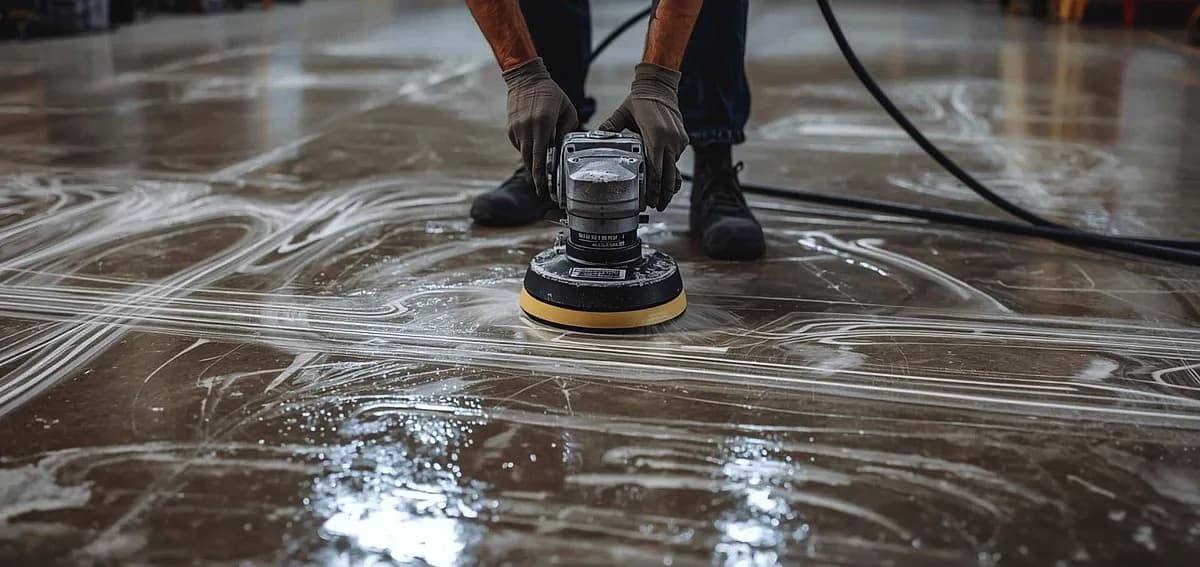
Swirl marks represent another common challenge in hand polishing concrete. These circular patterns result from improper technique, typically caused by circular motions with the grinder or inconsistent pressure application. Prevention involves maintaining steady, straight-line movements with consistent overlap patterns. If swirl marks appear, they must be removed with the current grit before progressing to finer abrasives, as they will only become more apparent with higher levels of polish.
Uneven gloss levels across the surface indicate inconsistent technique or varying concrete hardness. Some areas may polish more readily than others due to differences in aggregate content, concrete age, or surface preparation. Address this by spending additional time with current or previous grits in areas that are lagging behind. Sometimes, selective application of densifier can help equalize surface hardness and improve polishing uniformity.
Pad loading occurs when the diamond pad becomes clogged with concrete debris, reducing cutting efficiency and potentially causing surface damage. This is often caused by insufficient water flow, working too aggressively, or using worn pads beyond their effective life. Regular pad cleaning and proper water management prevent most loading issues. When pads do become loaded, they must be cleaned or replaced before continuing work.
Color variations or staining can become more apparent as polishing progresses, particularly if surface preparation was inadequate. Some stains may require specialized treatment or may be permanent features of the concrete. Understanding the difference between removable stains and permanent concrete characteristics helps set realistic expectations and determine appropriate remedial actions. In some cases, decorative techniques can be employed to incorporate unavoidable variations into the overall design aesthetic.
Frequently Asked Questions
Q: How long does it take to hand polish concrete compared to machine polishing?
A: Hand polishing concrete typically takes 3-5 times longer than machine polishing for equivalent areas. A small room that might take 4-6 hours with machines could require 15-20 hours of hand polishing. However, hand polishing allows for detailed work and precision that machines cannot achieve in tight spaces or around obstacles.
Q: Can I achieve the same level of gloss with hand polishing as with machine polishing?
A: Yes, hand polishing can achieve identical gloss levels to machine polishing when proper techniques and grit progressions are followed. The key is patience and systematic progression through all grit levels without skipping steps or rushing the process.
Q: What’s the minimum concrete age required before hand polishing?
A: Concrete should be at least 28 days old before polishing to ensure complete curing. However, older concrete (90+ days) often polishes more easily and achieves better results due to continued hydration and hardening.
Q: Is wet or dry hand polishing better for DIY projects?
A: Wet polishing is generally superior for hand applications because it controls dust, reduces heat buildup, extends pad life, and produces better surface quality. Dry polishing should only be used when water cannot be managed effectively.
Q: How do I know when I’m ready to move to the next grit level?
A: Move to the next grit when the surface shows uniform scratches from your current grit with no visible scratches from previous grits. Good lighting and careful inspection are essential for making this determination accurately.
Q: Can hand polishing remove existing coatings or sealers from concrete?
A: Yes, starting with coarse grits (50-100) can remove most coatings and sealers. However, some thick or well-bonded coatings may require specialized removal methods before polishing can begin effectively.
Q: What safety precautions are most important for hand polishing concrete?
A: Essential safety measures include respiratory protection (even with wet polishing), safety glasses, hearing protection, non-slip footwear, and proper electrical safety when using water near power tools. Adequate ventilation is also crucial.
Q: How often should diamond pads be replaced during hand polishing?
A: Pad life varies significantly based on concrete hardness, technique, and pad quality. Monitor cutting efficiency and surface quality rather than time. When pads stop cutting effectively or begin producing poor surface quality, replacement is necessary regardless of age.
Conclusion
Mastering how to polish concrete by hand opens up numerous possibilities for creating beautiful, durable surfaces that rival any premium flooring option. While the process requires patience, proper tools, and systematic technique, the results can be truly spectacular when executed correctly. Hand polishing concrete provides the precision and control necessary for detailed work, small areas, and situations where machine access is limited or impossible.
The key to success lies in understanding that hand polishing concrete is a progressive process that cannot be rushed. Each grit level builds upon the previous one, and skipping steps or hurrying through the progression will inevitably result in inferior results. Learning to properly seal and polish concrete floors requires taking time to properly prepare your surface, select quality tools and materials, and follow systematic grit progression for the best outcomes.
Safety should never be compromised when hand polishing concrete. Proper protective equipment and safe work practices protect you from both immediate hazards and long-term health risks. The investment in quality safety equipment pays dividends in both protection and comfort during extended polishing sessions.
For those considering polished concrete in homes or seeking expert guidance, companies like National Concrete Polishing bring years of experience and specialized equipment to achieve exceptional results efficiently. Whether you choose to tackle the project yourself or work with professionals, understanding the hand polishing process helps ensure better outcomes and more informed decisions about your concrete flooring investment. Remember that proper maintenance is essential to preserve your results, so be sure to learn how to clean polished concrete to keep your floors looking their best for years to come.
Written by

Founder and CEO
Chris Lavin is an esteemed leader in concrete polishing and epoxy coatings with a distinguished 20-year career. As founder and CEO of National Concrete Polishing and owner of Xtreme Polishing Systems, he's renowned for polishing and epoxy coating more floors than anyone globally. Chris is recognized for his innovative approach and commitment to enhancing floor durability and aesthetics. His hands-on experience and technical proficiency make him a respected authority and a valuable resource in the field of floor polishing and coatings.
Same topic
Related articles
All stories
Polished concrete11 min read
Polished Concrete vs Epoxy Coatings: Which Floor Is Right for Your Space?
Two systems, two price curves, one slab. What each one costs to install and to keep, and which spaces each one actually suits.
Read it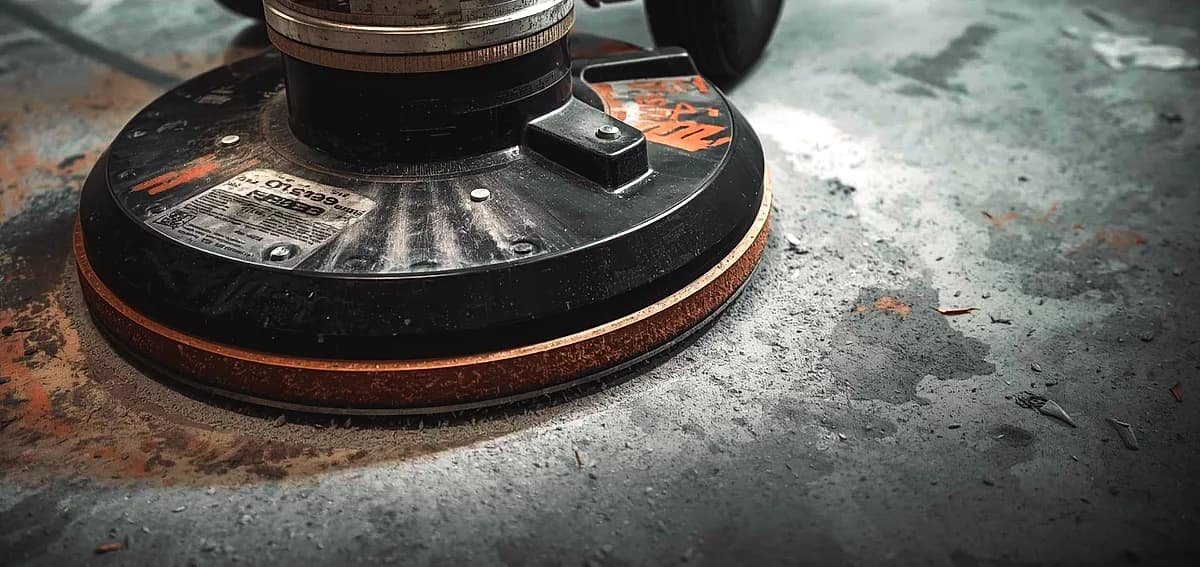
Polished concrete8 min read
What to Know Before Polishing Your Existing Concrete Slab
Before any mechanical refinement can begin, a thorough evaluation of the current foundation is required.
Read it
Polished concrete8 min read
Is Polished Concrete Worth the Investment for Miami Properties?
It is essential to distinguish between a simple topical seal and mechanically refined concrete.
Read it
Tell us about the floor
Tell us the space and roughly how big it is.We come back with what it would cost and when we could start.
Prefer to talk? Call +1 844-876-5474
- Leads@
nationalconcretepolishing.net - 2200 NW 32nd St #600,
Pompano Beach, FL 33069 Mon to Fri, 9:00 to 5:30