
The NCP blog
Is Epoxy Flooring Anti Static? Benefits for Industrial and Residential Use
Commercial8 min read
Static electricity costs industries over $10 billion annually in equipment damage, production delays, and safety incidents.
Static electricity costs industries over $10 billion annually in equipment damage, production delays, and safety incidents. This invisible threat sparks fires, disrupts sensitive electronics, and creates dangerous workplace conditions. Specialized surface solutions now address these risks through advanced material science.
Conductive additives like carbon fibers transform ordinary resin-based surfaces into static-dissipative shields. These materials create pathways that redirect electrical charges safely to grounding points. Facilities handling flammable materials or microelectronics rely on this technology daily.
From hospitals to home workshops, controlling electrostatic discharge (ESD) prevents costly mishaps. Residential spaces with home theaters or personal electronics collections also benefit from these protective measures. The right surface treatment depends on your specific voltage control requirements.
National Concrete Polishing helps property owners select appropriate ESD-control systems. Their expertise ensures surfaces meet industry-specific safety standards while maintaining durability. Understanding these solutions protects both your investments and personnel.
Overview of Anti-Static Epoxy Flooring
Advanced material solutions now address static risks through engineered conductivity. These specialized coatings combine resin bases with carbon fibers or metallic particles to manage electrical charges effectively. Unlike conventional options, they prevent dangerous buildups by directing energy to grounding systems.
Definition and Key Concepts
Static-control surfaces operate through measurable resistance levels. Two primary types exist:
| Type | Resistance Range | Discharge Speed | Common Applications |
|---|---|---|---|
| Static Dissipative | 10⁶-10⁹ ohms | Controlled | Electronics assembly |
| Conductive | 10³-10⁶ ohms | Rapid | Flammable storage |
These systems meet ANSI/ESD S20.20 standards for charge protection. Color options maintain safety without sacrificing design preferences.
Role in Modern Environments
Tech-driven spaces demand reliable ESD protection. Semiconductor labs use conductive types to prevent microchip damage during production. Medical facilities employ static-dissipative versions near MRI machines.
Home applications are growing too. Customizable finishes let homeowners protect gaming setups or vintage electronics. Proper installation ensures continuous grounding paths across entire surfaces.
Understanding Static Electricity and Electrostatic Discharge
Daily movements create invisible electrical forces that impact modern environments. When surfaces interact, energy transfers occur through friction or separation. This buildup remains hidden until releasing suddenly through contact with conductive materials.
How Static Charges Are Generated
Contact between materials triggers triboelectric effects. Shoes scuffing carpets or sleeves brushing tables transfer electrons between surfaces. These interactions leave one material positively charged and the other negatively charged.
Common activities produce surprising voltage levels:
| Activity | Voltage Generated | Potential Impact |
|---|---|---|
| Walking across floor | 1,500-3,000V | Human perception threshold |
| Handling components | 300-500V | Microchip failure risk |
| Removing packaging | 1,200-1,500V | Data corruption possibility |
Risks Associated With Uncontrolled Discharges
Unexpected sparks endanger both equipment and personnel. Sensitive electronics fail when exposed to 100V discharges – levels undetectable to touch. Manufacturing facilities report 25% of unexplained device failures stem from these events.
Fire hazards escalate where flammable vapors exist. A single spark contains enough energy to ignite solvents or fuels. Proper charge management becomes vital for maintaining safe operational conditions.
Is epoxy flooring anti static: Exploring the Technology
Modern charge-control systems rely on precision-engineered materials to redirect electrical energy. Third-generation solutions integrate nanoparticles that maintain conductivity across entire surfaces. These advancements eliminate traditional limitations while meeting strict industry requirements.
Components and Conductive Additives
Cutting-edge coatings blend specialized elements for reliable performance. Carbon fibers create continuous pathways for electron flow, while metallic powders enhance charge dispersion. Conductive polymers ensure uniform resistance levels from surface to substrate.
Key material combinations include:
- Silver-coated copper particles for high-traffic areas
- Lithium chloride additives in base layers
- Titanium dioxide for surface resistivity control
Installation Techniques and Grounding Systems
Proper implementation requires certified technicians with electrical safety training. Teams first install copper strips in 6×6 foot grid patterns across prepared surfaces. These strips connect to dedicated earth points through welded junctions.
Critical steps involve:
- Surface profiling for optimal adhesion
- Multi-layer application with conductivity tests
- Final resistance verification across zones
Specialized equipment ensures proper material dispersion during installation. This prevents “dead zones” that compromise system effectiveness.
Benefits for Industrial Use
Industrial operations require precision protection against invisible threats. Specialized surface systems safeguard critical processes while meeting rigorous performance demands. These solutions deliver measurable advantages across high-stakes environments.
Protection of Sensitive Electronic Equipment
Semiconductor plants and data centers rely on advanced charge management. Microscopic electrical surges can ruin circuit boards during production. Properly installed systems channel harmful energy away from delicate components.
Key applications include:
- Automotive EV battery assembly lines
- Aerospace navigation system calibration
- Pharmaceutical cleanroom monitoring devices
Compliance With Safety and ESD Standards
Regulated industries follow strict protocols for hazard prevention. ANSI/ESD S20.20 certification ensures surfaces meet charge dissipation benchmarks. Facilities handling combustible materials often require additional NFPA code adherence.
| Industry | Standard | Resistance Requirement |
|---|---|---|
| Electronics | ANSI/ESD S20.20 | 10⁶-10⁹ ohms |
| Chemical | NFPA 77 | 10⁴-10⁶ ohms |
| Healthcare | ISO 14644 | 10⁸-10¹⁰ ohms |
Regular audits verify system performance, reducing liability risks. This proactive approach minimizes production halts caused by non-compliance issues.
Benefits for Residential Use
Modern homes now host more electronics than ever before. From smart appliances to gaming consoles, these devices demand protection from invisible threats. Specialized surfaces address this need by managing electrical charges in living spaces.
Enhanced Safety and Charge Management
Your home office becomes safer with surfaces that redirect harmful energy. Charge-control materials prevent sudden sparks near computers or networking gear. This protection extends to 3D printers and other workshop tools vulnerable to electrical interference.
Common household activities generate surprising voltage levels. Walking across carpets in dry weather can produce shocks up to 3,000 volts. Properly installed systems eliminate these jolts while safeguarding devices like home theater equipment and vintage game consoles.
Key residential applications include:
- Spaces with home automation systems requiring stable power flows
- Areas housing vinyl record collections or musical instruments
- Rooms containing medical devices sensitive to electrical fluctuations
These solutions blend seamlessly with interior design through various finishes. You maintain aesthetic preferences while reducing risks to electronics. The technology supports modern lifestyles where technology integration keeps expanding.
Key Materials, Testing, and Standards
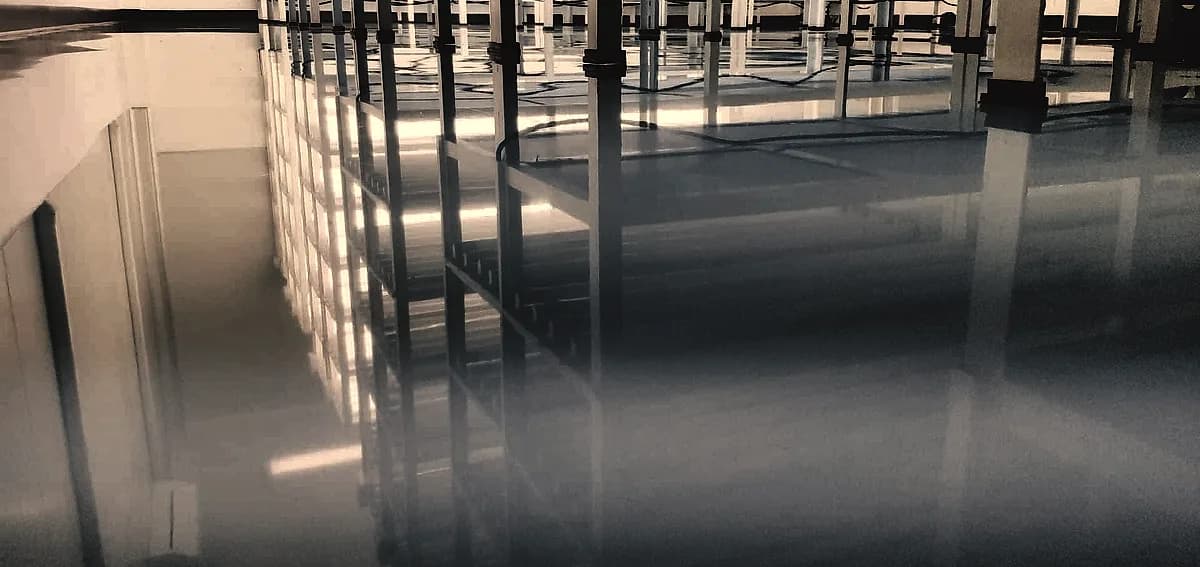
Specialized surfaces achieve charge control through precise engineering. Their effectiveness depends on material composition and rigorous quality checks. This combination ensures safe environments for sensitive operations.
Conductive Additives and Their Functions
Carbon fibers and metallic particles form the backbone of charge management systems. These materials create continuous pathways for energy dispersion. Their arrangement determines surface resistance levels critical for safety.
| System Type | Resistance Range | Testing Standard | Common Areas |
|---|---|---|---|
| Conductive | 10⁴-10⁶ ohms | ANSI/ESD S7.1 | Fuel storage zones |
| Dissipative | 10⁶-10⁹ ohms | ASTM D257 | Data centers |
Overview of Testing Methods and Certification Guidelines
Surface resistivity tests verify material performance before installation. Technicians use calibrated meters to measure resistance across multiple points. Ground connection checks ensure proper energy discharge paths.
Three key evaluations confirm compliance:
- Static decay tests (under 2 seconds per MIL-STD-3010C)
- Walking voltage checks (below 100V as per ANSI/ESD STM97.2)
- Point-to-ground resistance verification (ANSI/ESD S7.1)
Certified professionals conduct annual audits using specialized equipment. This maintains protection levels throughout the system’s lifespan. Proper documentation supports regulatory compliance during facility inspections.
Maintenance and Installation Considerations
Proper implementation of static-control surfaces requires technical precision at every stage. Certified teams follow strict protocols to ensure seamless integration with your facility’s electrical infrastructure. National Concrete Polishing technicians use specialized equipment to maintain conductivity during application.
Best Practices for Installation
Surface preparation determines long-term performance. Teams begin by profiling substrates to achieve optimal adhesion. Third-generation materials allow installation on concrete with up to 95% relative humidity.
| Step | Key Requirement | Purpose |
|---|---|---|
| Surface Prep | ASTM 2170 compliance | Moisture control |
| Copper Grid | 6×6 ft spacing | Grounding continuity |
| Primer/Topcoat | Conductive additives | Uniform resistance |
Ongoing Maintenance and Testing Protocols
Regular evaluations preserve system integrity. Monthly resistance checks identify potential issues before they affect operations. Use pH-neutral cleaners to avoid damaging conductive layers.
| Task | Frequency | Standard |
|---|---|---|
| Resistance Test | Quarterly | ANSI/ESD S7.1 |
| Visual Inspection | Monthly | ASTM D7234 |
| Surface Repair | Immediate | Manufacturer specs |
Address cracks or chips promptly to maintain safe discharge paths. Partner with specialists who understand both electrical safety and material science for reliable long-term performance.
Professional ESD Flooring Solutions
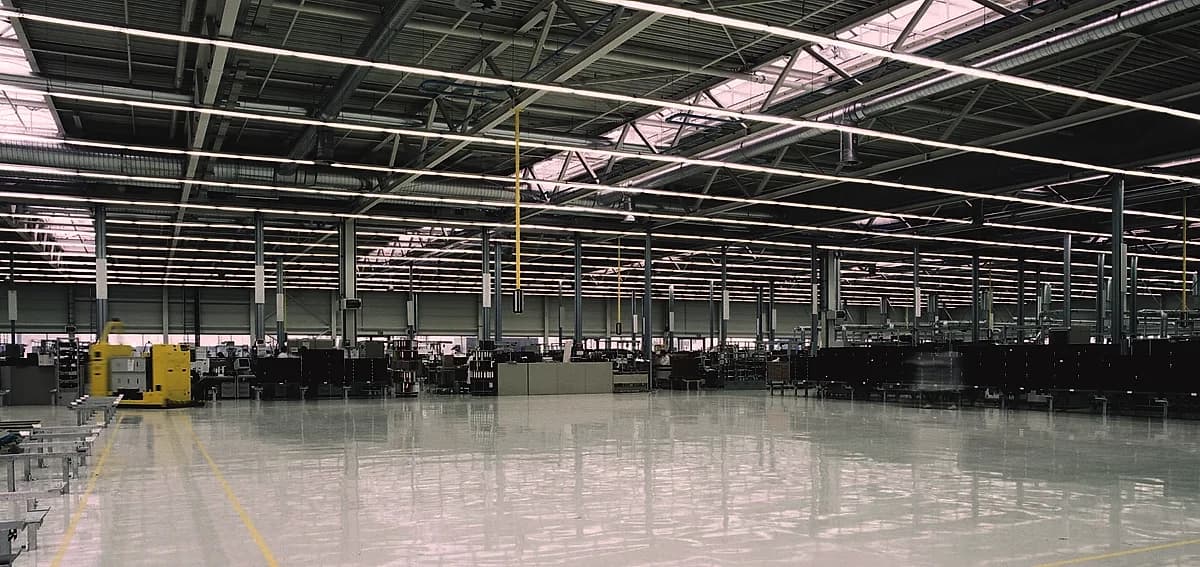
Technical expertise separates effective charge management from costly failures. Certified specialists combine material science knowledge with electrical safety protocols to create reliable systems. Their skills ensure proper integration with your facility’s grounding network and earth connections.
Experienced contractors navigate complex requirements across industries. They select materials that match your operational needs, whether safeguarding data centers or high-voltage manufacturing zones. Precision installation prevents damage to sensitive equipment while maintaining airflow and accessibility.
National Concrete Polishing delivers certified ESD solutions across South Florida. Their team handles surface preparation, conductive coating application, and compliance testing. Contact us to get started.
Proper implementation requires understanding of:
- Industry-specific resistance thresholds
- Grounding grid spacing calculations
- Long-term maintenance protocols
Trust professionals who balance technical rigor with practical durability. Their work protects your investments while meeting safety mandates.
Frequently Asked Questions
How does this type of surface prevent electrostatic discharge?
Conductive additives like carbon fibers or copper particles are mixed into the material, creating a path for charges to flow safely to the ground. Proper grounding systems and low electrical resistance (typically 10⁶–10⁹ ohms) ensure controlled dissipation.
Can these systems be used in homes with electronics?
Yes. Static-dissipative properties protect personal devices like computers or home theater systems. They also reduce risks of shocks from everyday activities, making them ideal for garages or workshops with sensitive gadgets.
What standards ensure safety in manufacturing facilities?
ANSI/ESD S20.20 and IEC 61340-5-1 are key certifications. They mandate resistance thresholds, grounding protocols, and regular testing to safeguard equipment like circuit boards or semiconductor tools from damage.
Are special additives required for conductivity?
Yes. Materials like metallic flakes or carbon nanotubes are integrated during installation. These components create a continuous conductive network, which is essential for environments such as data centers or labs handling volatile substances.
How often should resistance be tested in high-risk areas?
Facilities with sensitive operations should perform checks every 6–12 months. Use handheld meters to measure surface resistance, ensuring values stay within the 10⁶–10⁹ ohm range specified by ESD standards.
Does proper grounding require professional installation?
Absolutely. Certified technicians ensure copper strips or grounding meshes are correctly embedded and connected to earth points. DIY setups often fail to meet ANSI guidelines, increasing discharge risks.
Are there options for environments needing static control without full conductivity?
Static-dissipative coatings offer moderate resistance (10⁹–10¹¹ ohms), ideal for hospitals or residential spaces. They prevent sudden shocks while avoiding excessive current flow, balancing safety and functionality.
Written by

Founder and CEO
Chris Lavin is an esteemed leader in concrete polishing and epoxy coatings with a distinguished 20-year career. As founder and CEO of National Concrete Polishing and owner of Xtreme Polishing Systems, he's renowned for polishing and epoxy coating more floors than anyone globally. Chris is recognized for his innovative approach and commitment to enhancing floor durability and aesthetics. His hands-on experience and technical proficiency make him a respected authority and a valuable resource in the field of floor polishing and coatings.
Same topic
Related articles
All stories
Commercial9 min read
How Polished Concrete Solves Office Acoustic Problems
Hard floors and noise complaints. What polished concrete does to sound in an open office, and how to spec around it.
Read it
Commercial10 min read
Flooring for Hotel Wet Areas, Kitchens, and Parking Decks
Kitchens, pool decks and parking structures punish a floor daily. Which systems hold up in hotel service areas, and why.
Read it
Commercial11 min read
Specifying Floors for a New Hotel Build
For owners and architects on a new build. What to write into the flooring spec so the hotel opens on a floor that lasts.
Read it
Tell us about the floor
Tell us the space and roughly how big it is.We come back with what it would cost and when we could start.
Prefer to talk? Call +1 844-876-5474
- Leads@
nationalconcretepolishing.net - 2200 NW 32nd St #600,
Pompano Beach, FL 33069 Mon to Fri, 9:00 to 5:30