
The NCP blog
Why Epoxy Thickness Varies Across Different Substrates
Epoxy & coatings11 min read
This fundamental concept affects everything from material costs and application time to long-term performance and durability.
When it comes to epoxy flooring installations, one of the most critical factors that determines project success is understanding why epoxy thickness varies across different substrate conditions. This fundamental concept affects everything from material costs and application time to long-term performance and durability. Professional flooring contractors know that a one-size-fits-all approach to epoxy thickness simply doesn’t work in real-world applications.
The relationship between substrate conditions and epoxy thickness is complex and multifaceted. Concrete surfaces present unique challenges that directly impact how much epoxy material is required to achieve optimal coverage and performance. Factors such as surface porosity, texture, moisture content, and existing damage all play crucial roles in determining the appropriate epoxy coating for each specific project.
Understanding epoxy thickness variation is essential for accurate project estimation, material procurement, and quality control. When contractors fail to account for these variables, they often encounter issues such as inadequate coverage, premature failure, or significant cost overruns. The concrete floor preparation assessment becomes the foundation upon which all subsequent decisions about epoxy application are made.
Professional installations require careful consideration of how different concrete conditions will affect epoxy penetration and build-up. Smooth, dense concrete surfaces may require different thickness specifications compared to rough, porous substrates. Additionally, environmental factors such as temperature and humidity during application can influence how epoxy flows and cures, further affecting the final thickness distribution.
The economic implications of proper thickness planning cannot be overstated. Epoxy flooring types represent a significant portion of project costs, and understanding thickness requirements helps contractors provide accurate estimates while ensuring adequate material availability. Moreover, proper thickness application directly correlates with floor performance, longevity, and customer satisfaction.
Overview of Epoxy Thickness Variables
The science behind epoxy thickness variation lies in understanding how different substrate conditions interact with epoxy materials during application and curing. Concrete substrates are inherently variable, with each surface presenting unique characteristics that influence epoxy behavior. These variations occur not only between different projects but often within the same floor area, creating a complex matrix of application requirements.
Substrate preparation methods significantly impact the final thickness requirements. Mechanical preparation techniques such as shot blasting concrete, grinding, or acid etching create different concrete surface profiles that affect epoxy penetration and build-up. A surface prepared with aggressive shot blasting will have a much different absorption rate compared to one that has been lightly sanded or chemically cleaned.
The age and composition of concrete also play crucial roles in determining epoxy thickness needs. Newer concrete typically has different porosity characteristics compared to aged surfaces, while concrete with different aggregate types, cement ratios, or admixtures can exhibit varying absorption rates. Understanding these fundamental differences allows contractors to predict and plan for appropriate thickness variations.
Environmental factors during the concrete curing process also influence substrate conditions. Concrete that has been exposed to freeze-thaw cycles, chemical exposure, or heavy traffic will have different surface characteristics compared to protected indoor surfaces. These exposure conditions create micro-fractures, concrete scaling, and porosity changes that directly impact epoxy thickness requirements.
How Concrete Porosity Affects Epoxy Consumption
Concrete porosity represents one of the most significant factors influencing epoxy thickness variation across different substrate conditions. The pore structure of concrete directly determines how much epoxy material will be absorbed into the substrate versus remaining on the surface to form the protective coating layer. Understanding this relationship is crucial for accurate material estimation and achieving consistent performance across varying substrate conditions.
High-porosity concrete can absorb substantial quantities of epoxy during the initial application phases. This absorption occurs through capillary action, where the epoxy penetrates into the concrete’s pore network. While some penetration is beneficial for adhesion, excessive absorption can result in insufficient surface build-up, compromising the coating’s protective properties and aesthetic appearance.
The pore size distribution within concrete affects not only the quantity of epoxy absorbed but also the rate of absorption. Fine pores may absorb epoxy slowly through capillary action, while larger voids and surface irregularities can consume significant amounts of material rapidly. This variation in absorption rates requires contractors to adjust their application techniques and material quantities accordingly.
Porosity assessment techniques help contractors predict epoxy consumption patterns before beginning application. Methods such as concrete moisture testing, surface moisture measurements, and visual inspection of the concrete surface provide valuable information about substrate conditions. These assessments enable more accurate thickness planning and material procurement.
Primer selection becomes critical when dealing with highly porous substrates. Specialized penetrating primers can help seal porous surfaces, reducing epoxy absorption and creating more predictable thickness requirements. However, the primer itself adds to the overall system thickness and must be factored into the total build-up calculations.
Temperature effects on porosity-related absorption cannot be overlooked. Warmer concrete surfaces may exhibit increased absorption rates due to enhanced capillary action and reduced epoxy viscosity. Conversely, cooler surfaces may slow absorption, allowing for more controlled thickness build-up but potentially affecting adhesion quality.
Surface Texture Impact on Epoxy Distribution
Surface texture represents another critical factor that significantly influences epoxy thickness variation across different substrate conditions. The physical topography of concrete surfaces creates a three-dimensional landscape that epoxy must navigate and fill to achieve proper coverage and performance. Understanding how texture affects epoxy distribution is essential for predicting material requirements and ensuring consistent quality across the entire floor surface.
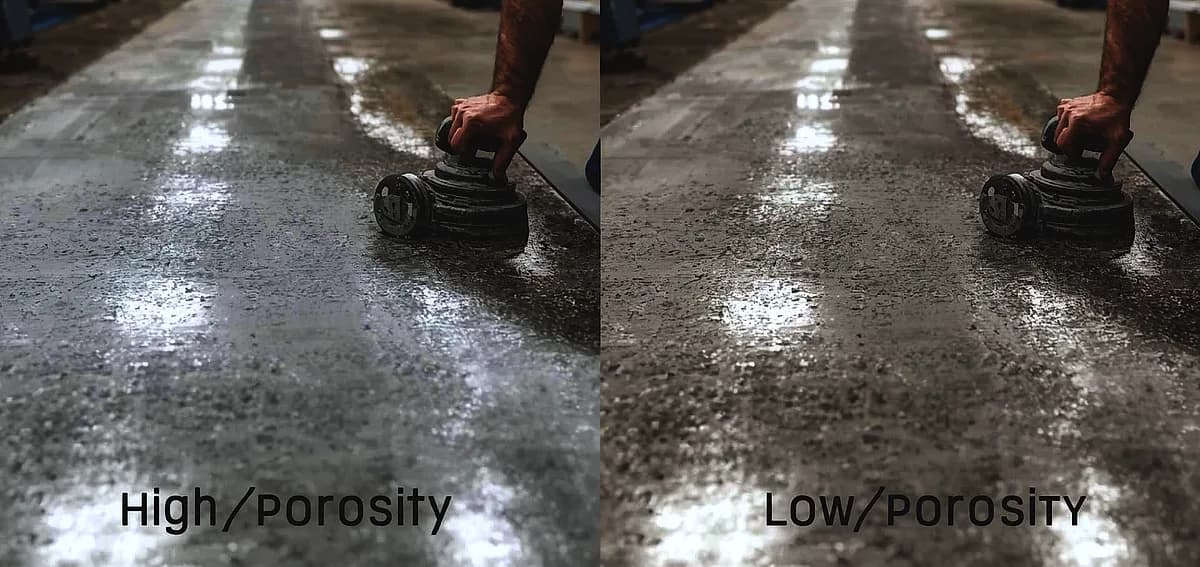
Rough or heavily textured surfaces create numerous valleys, peaks, and irregular features that require varying amounts of epoxy to achieve a level, uniform finish. The depth and frequency of these surface irregularities directly correlate with increased material consumption. Deep textures may require multiple epoxy applications to fill low areas adequately while avoiding excessive build-up on high points.
Surface preparation methods create different texture profiles that significantly impact epoxy thickness requirements. Aggressive mechanical preparation techniques such as shot blasting or scarifying create pronounced surface textures that increase the surface area available for epoxy adhesion but also dramatically increase material consumption. Understanding the relationship between preparation methods and resulting texture helps contractors select appropriate techniques for specific project requirements.
The direction and pattern of surface texture also influence epoxy flow and distribution during application. Linear textures created by grinding operations may channel epoxy flow in specific directions, creating uneven thickness distribution. Random textures from shot blasting provide more uniform distribution but may require specialized application techniques to ensure complete coverage.
Measurement and documentation of surface texture become essential for accurate thickness planning. Profile gauges, replica tape, and other measurement tools help quantify surface roughness and predict epoxy consumption rates. This data enables contractors to adjust material quantities and application techniques to achieve consistent results across varying texture conditions.
Quality control during application requires special attention to textured surfaces. Standard thickness measurement techniques may not accurately reflect actual epoxy build-up in highly textured areas. Alternative measurement methods and increased inspection frequency help ensure adequate coverage and performance in challenging texture conditions.
Moisture Content and Its Effect on Epoxy Thickness
Moisture content within concrete substrates represents a complex variable that significantly affects epoxy thickness requirements and application strategies. The presence of moisture influences not only how epoxy adheres to the substrate but also how it penetrates, flows, and ultimately cures. Understanding moisture-related thickness variations is crucial for successful epoxy installations across different substrate conditions.
Elevated moisture levels in concrete can create barriers to proper epoxy penetration and adhesion. When moisture is present in the concrete pore structure, it occupies space that would otherwise be available for epoxy penetration. This displacement effect can result in reduced adhesion and may require increased epoxy thickness to compensate for compromised bonding characteristics.
Moisture vapor transmission through concrete substrates creates ongoing challenges for epoxy thickness planning. Even after surface moisture appears to be controlled, vapor transmission from below can continue to affect epoxy performance. This phenomenon may require specialized moisture barriers under Florida epoxy floors that add to the overall coating thickness and complexity.
Temperature fluctuations can cause moisture within concrete to expand and contract, creating pressure variations that affect epoxy application and curing. These pressure changes can influence how epoxy flows into surface irregularities and may create thickness variations that weren’t anticipated during initial planning phases.
Moisture testing protocols help contractors assess substrate conditions and plan appropriate epoxy thickness specifications. Various testing methods, including calcium chloride tests, relative humidity measurements, and electronic moisture meters, provide data about moisture conditions that directly impact thickness requirements as outlined by the American Concrete Institute standards.
Primer and sealer selection becomes critical when dealing with moisture-sensitive substrates. Specialized moisture-tolerant primers may be required to create proper adhesion, and these products often have specific thickness requirements that affect the overall system build-up. The interaction between moisture mitigation products and subsequent epoxy layers must be carefully considered during thickness planning.
Curing time and thickness relationships become more complex in the presence of moisture. Epoxy applied over substrates with elevated moisture content may require extended curing times or modified thickness specifications to achieve proper performance. These factors must be integrated into project scheduling and quality control procedures.
Environmental Factors During Application
Environmental conditions during epoxy application significantly influence thickness variation across different substrate conditions. Temperature, humidity, air movement, and atmospheric pressure all interact with both the substrate and the epoxy material to affect flow characteristics, penetration rates, and final thickness distribution. Professional contractors must understand and account for these environmental variables to achieve consistent results.
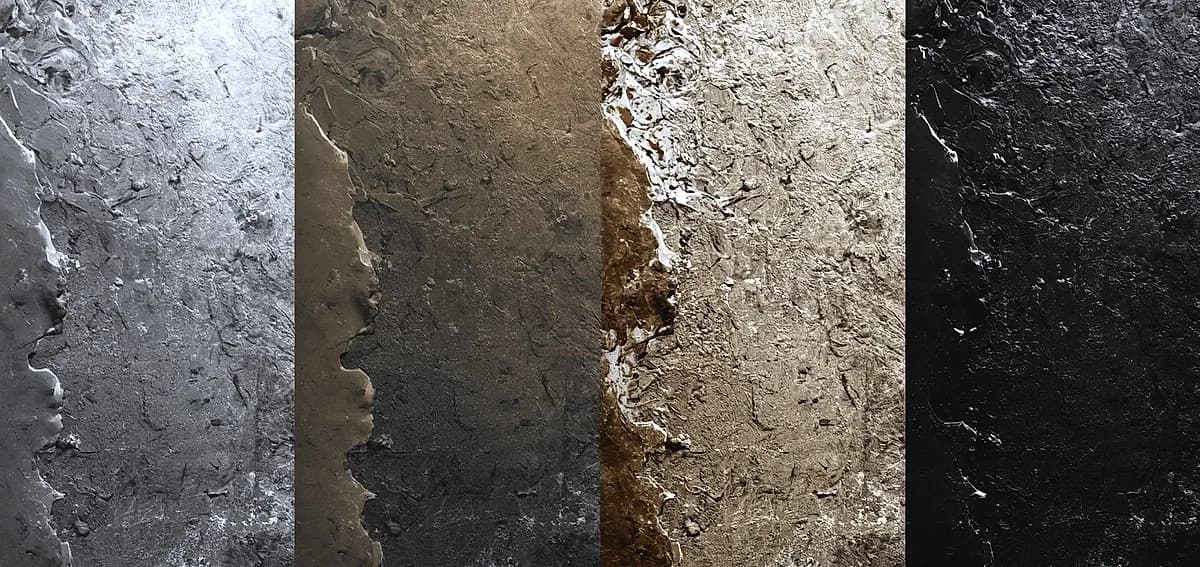
Temperature effects on epoxy viscosity directly impact thickness application and distribution. Higher temperatures reduce epoxy viscosity, allowing for easier flow and potentially thinner applications, while lower temperatures increase viscosity and may result in thicker, less uniform coatings. The substrate temperature also affects how epoxy penetrates into porous surfaces and influences the rate of chemical reaction during curing.
Humidity levels during application affect both the epoxy material and the substrate conditions. High humidity can slow epoxy curing and may cause surface defects that require additional material to correct. Miami humidity effects on epoxy floors demonstrate how low humidity conditions may accelerate curing and affect flow characteristics, potentially leading to thickness variations across the application area.
Air movement and ventilation patterns influence solvent evaporation rates and surface skinning characteristics. Excessive air movement may cause premature surface curing that prevents proper flow and leveling, while insufficient ventilation may extend working time but create other application challenges. These factors must be balanced to achieve optimal thickness distribution according to OSHA workplace safety guidelines.
Atmospheric pressure variations, while often overlooked, can affect epoxy penetration into porous substrates and influence bubble formation during curing. Changes in barometric pressure may cause air trapped in concrete pores to expand or contract, affecting epoxy penetration and final thickness characteristics.
National Concrete Polishing understands the critical importance of environmental control during epoxy applications. Their experienced teams monitor and adjust for environmental variables to ensure consistent thickness application regardless of substrate conditions. This attention to environmental factors helps guarantee optimal performance and longevity for every epoxy flooring installation.
Quality control procedures must account for environmental variations throughout the application process. Regular monitoring of temperature, humidity, and other environmental factors helps contractors make real-time adjustments to maintain proper thickness specifications. Documentation of environmental conditions also provides valuable data for troubleshooting any performance issues that may arise.
Frequently Asked Questions
Why does epoxy thickness vary so much between different concrete surfaces?
Epoxy thickness varies because concrete surfaces have different porosity levels, textures, and moisture content. Porous concrete absorbs more epoxy, requiring thicker applications, while smooth, dense surfaces need less material for adequate coverage.
How can I predict epoxy consumption for different substrate conditions?
Conduct thorough substrate assessments including porosity tests, surface profile measurements, and moisture evaluations. Use this data along with manufacturer guidelines to estimate material requirements for specific substrate conditions.
What happens if epoxy is applied too thin on challenging substrates?
Insufficient epoxy thickness can lead to poor adhesion, inadequate protection, premature wear, and potential coating failure. Challenging substrates require adequate thickness to ensure proper performance and longevity.
Do environmental conditions really affect epoxy thickness requirements?
Yes, temperature and humidity significantly impact epoxy viscosity, flow characteristics, and penetration rates. These factors directly influence how much material is needed to achieve proper thickness across different substrate conditions.
How do I measure epoxy thickness on textured surfaces accurately?
Use wet film thickness gauges during application and dry film thickness gauges after curing. Take multiple measurements across textured areas and consider using replica tape for highly irregular surfaces.
Can primer selection affect overall epoxy system thickness?
Absolutely. Different primers have varying thickness requirements and penetration characteristics. The primer becomes part of the total system thickness and must be factored into overall build-up calculations.
What role does concrete age play in epoxy thickness variation?
Older concrete often has different porosity and surface characteristics compared to new concrete. Age-related factors such as carbonation, wear patterns, and previous treatments all influence epoxy thickness requirements.
How do I handle areas with significant thickness variation in the same project?
Identify problem areas during substrate assessment and plan for additional material in those zones. Consider using specialized primers or repair products to level surfaces before epoxy application.
Conclusion
Understanding why epoxy thickness varies across different substrate conditions is fundamental to successful flooring installations. The complex interplay between concrete porosity, surface texture, moisture content, and environmental factors creates unique challenges that require careful planning and expert execution. Professional contractors who master these variables consistently deliver superior results that meet both performance and aesthetic requirements.
The economic benefits of proper thickness planning extend beyond material cost control to include reduced callbacks, improved customer satisfaction, and enhanced reputation. When contractors accurately predict and manage epoxy thickness variation, they can provide more competitive pricing while ensuring adequate profit margins and quality outcomes.
Continuous education and staying current with evolving epoxy technologies and application techniques remain essential for managing thickness variations effectively. As new products and methods become available, contractors must adapt their approaches to maintain optimal results across diverse substrate conditions.
The future of epoxy flooring success lies in combining traditional craftsmanship with modern assessment tools and scientific understanding of material behavior. Contractors who invest in proper training, equipment, and systematic approaches to thickness management will continue to lead the industry in quality and customer satisfaction.
Written by

Founder and CEO
Chris Lavin is an esteemed leader in concrete polishing and epoxy coatings with a distinguished 20-year career. As founder and CEO of National Concrete Polishing and owner of Xtreme Polishing Systems, he's renowned for polishing and epoxy coating more floors than anyone globally. Chris is recognized for his innovative approach and commitment to enhancing floor durability and aesthetics. His hands-on experience and technical proficiency make him a respected authority and a valuable resource in the field of floor polishing and coatings.
Same topic
Related articles
All stories
Epoxy & coatings8 min read
DIY vs Professional Epoxy Flooring in Fort Lauderdale
Hardware stores heavily market all-in-one boxes that promise a showroom finish with minimal effort.
Read it
Epoxy & coatings8 min read
Can You DIY Epoxy Flooring in Miami? Pros, Cons, and Tips
Applying a durable floor finish in a tropical or highly humid climate presents unique environmental challenges.
Read it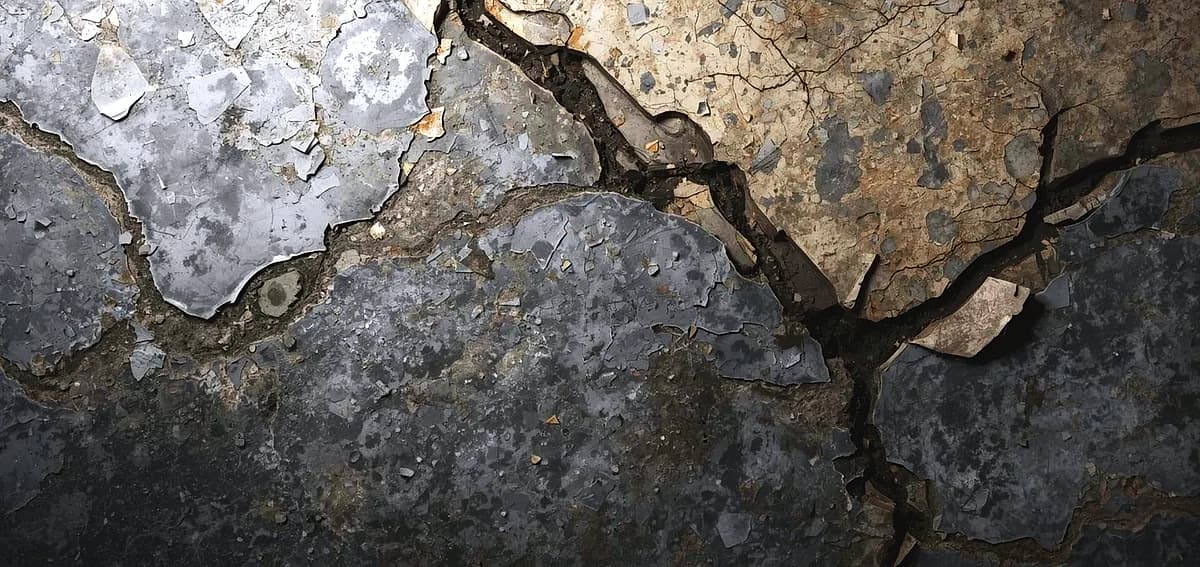
Epoxy & coatings7 min read
DIY Epoxy Flooring in South Florida: Is It Worth the Risk?
However, these products generally contain high levels of water or solvents to extend their pot life.
Read it
Tell us about the floor
Tell us the space and roughly how big it is.We come back with what it would cost and when we could start.
Prefer to talk? Call +1 844-876-5474
- Leads@
nationalconcretepolishing.net - 2200 NW 32nd St #600,
Pompano Beach, FL 33069 Mon to Fri, 9:00 to 5:30