
The NCP blog
Why Certain Aggregates Create Better Slip Resistance
Polished concrete14 min read
When it comes to polished concrete flooring, one of the most critical safety considerations is slip resistance.
When it comes to polished concrete flooring, one of the most critical safety considerations is slip resistance. While the polishing process creates beautiful, reflective surfaces that are both durable and aesthetically pleasing, it can also potentially reduce the natural friction that prevents slips and falls. However, understanding why certain aggregates create better slip resistance when polished can help property owners and contractors make informed decisions that prioritize both beauty and safety.
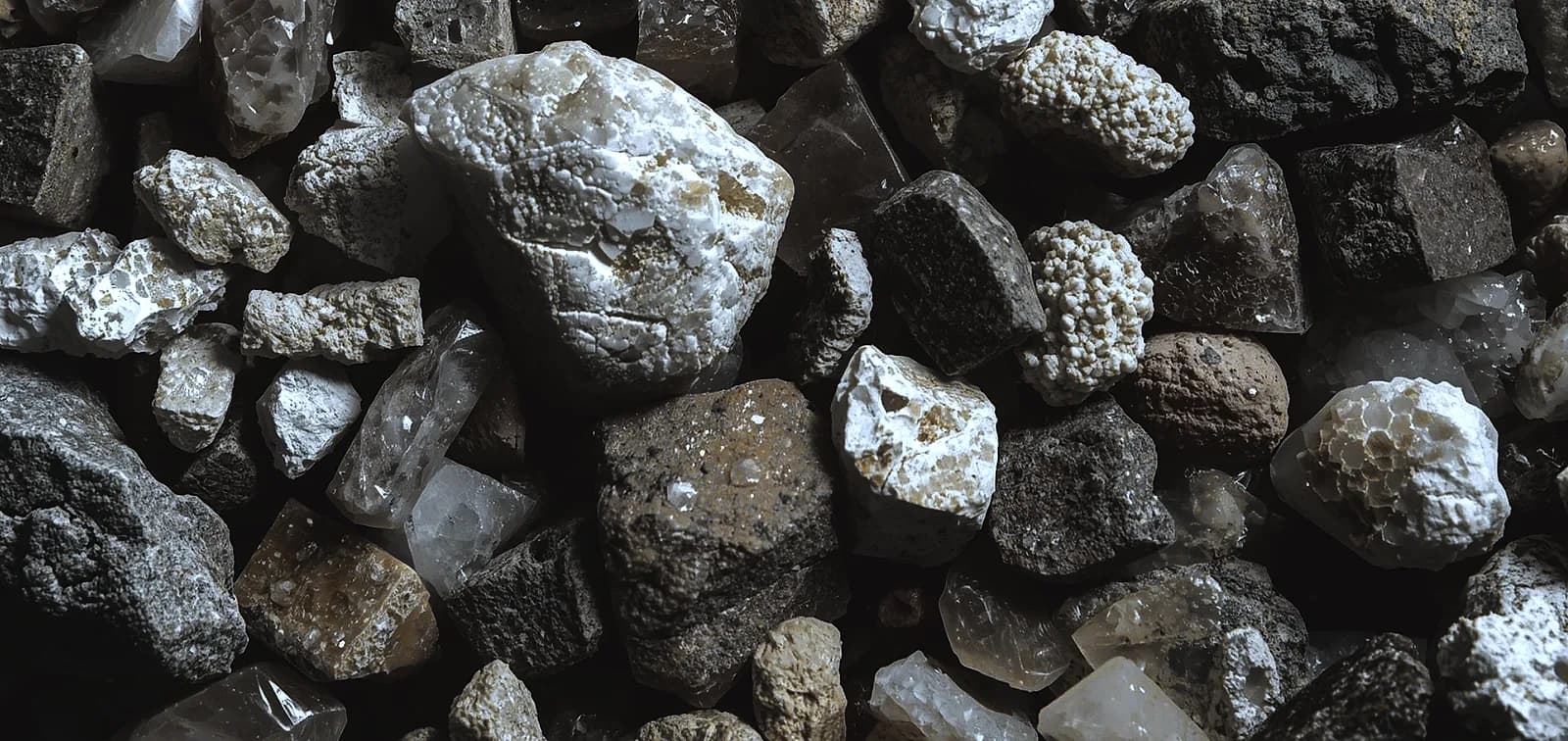
The relationship between aggregate type and slip resistance in polished concrete is complex and multifaceted. Different aggregates possess varying physical properties, including hardness, texture, porosity, and mineral composition, all of which influence how they behave during the polishing process and their final contribution to surface friction. Some aggregates naturally retain more texture even after extensive polishing, while others become mirror-smooth, creating potentially hazardous surfaces.
The concrete polishing process itself involves progressively finer grinding and polishing steps, typically starting with coarse diamond abrasives and working up to very fine grits. During this process, the concrete matrix and exposed aggregates are ground down and polished to create a uniform, level surface. However, not all aggregates respond to this process in the same way. Some maintain their inherent texture and porosity, creating micro-roughness that enhances slip resistance, while others polish to a glass-like finish that can become slippery when wet.
Understanding these differences is crucial for anyone involved in specifying, installing, or maintaining polished concrete floors. The choice of aggregate can mean the difference between a safe, functional surface and one that poses liability risks. Factors such as the intended use of the space, expected foot traffic patterns, potential for moisture exposure, and local building codes all play important roles in determining the most appropriate aggregate selection for optimal slip resistance performance.
Key Takeaways
Aggregate hardness significantly impacts slip resistance retention: Harder aggregates like quartz and granite tend to maintain more surface texture during polishing compared to softer materials, resulting in better slip resistance when polished to high levels.
Natural texture and porosity are crucial factors: Aggregates with inherent surface irregularities and micro-porosity provide better grip even after polishing, as these characteristics cannot be completely eliminated during the grinding process.
Mineral composition affects polishing behavior: Different minerals within aggregates respond differently to diamond abrasives, creating varied surface textures that contribute to overall slip resistance performance.
Aggregate size and distribution matter: Larger, well-distributed aggregates create more surface variation and texture, providing better slip resistance than uniformly small or poorly distributed aggregate particles.
River rock and recycled glass offer unique benefits: These materials often retain rounded edges and varied surface textures that enhance slip resistance while providing distinctive aesthetic appeal.
Proper specification prevents safety issues: Understanding why certain aggregates create better slip resistance when polished allows for informed material selection that balances aesthetics with safety requirements.
Testing and certification provide assurance: Slip resistance can be measured and verified through standardized testing methods, ensuring compliance with safety standards and building codes.
Maintenance practices influence long-term performance: The slip resistance benefits of well-chosen aggregates can be preserved through appropriate cleaning and maintenance protocols that don’t compromise surface texture.
Understanding Aggregate Properties and Slip Resistance
The fundamental reason why certain aggregates create better slip resistance when polished lies in their inherent physical and chemical properties. Aggregate materials are not uniform in their composition or structure, and these variations directly impact how they interact with the polishing process and their final surface characteristics.
Hardness is perhaps the most significant factor influencing slip resistance retention. Measured on the Mohs scale, aggregate hardness determines how much material is removed during polishing and how the surface texture evolves. Harder aggregates such as quartz (7 on the Mohs scale) and granite (6-7) resist the grinding action of diamond abrasives more effectively than softer materials like limestone (3-4) or marble (3-4). This resistance means that harder aggregates retain more of their original surface texture and micro-roughness even after extensive polishing.
The crystalline structure of aggregates also plays a crucial role in slip resistance. Materials with complex crystalline structures often fracture along multiple planes during polishing, creating microscopic surface irregularities that enhance friction. Quartz, for example, has a trigonal crystal system that creates natural fracture patterns, resulting in a surface that maintains grip even when polished to high levels. Understanding polished concrete slip resistance helps explain why these properties matter. In contrast, aggregates with simpler crystalline structures may polish to a more uniform, potentially slippery surface.
Porosity and surface texture are equally important considerations. Aggregates with natural porosity or surface irregularities provide mechanical interlocking with footwear and other surfaces, improving slip resistance. Even when the bulk of the aggregate is polished smooth, these micro-features often remain partially intact, contributing to overall surface friction. This is why materials like expanded shale or certain volcanic aggregates can provide excellent slip resistance despite being polished to a high sheen.
How Polishing Affects Different Aggregate Types
The polishing process affects different aggregate types in distinctly different ways, and understanding these variations is essential for predicting final slip resistance performance. The multi-step polishing procedure typically involves progressively finer diamond abrasives, following a systematic diamond grit sequence starting with coarse grits around 30-40 and progressing to ultra-fine grits of 3000 or higher. Each step removes scratches from the previous grit while creating its own, finer scratch pattern.
Siliceous aggregates, including quartz, quartzite, and certain granites, respond to polishing by developing what industry professionals call “controlled micro-texture.” The high silica content and crystalline structure of these materials means they fracture in predictable patterns under the mechanical action of diamond abrasives. Rather than polishing to a perfectly smooth surface, they develop a network of microscopic peaks and valleys that provide excellent slip resistance while still achieving the desired aesthetic appearance.
Calcareous aggregates, such as limestone and marble, behave very differently during polishing. These materials are softer and more uniform in composition, which allows them to achieve extremely high levels of polish and reflectivity. However, this same characteristic can make them problematic from a slip resistance standpoint, as they may become too smooth for safe foot traffic, particularly in areas where moisture is present.
Recycled glass aggregates present unique polishing characteristics that often result in superior slip resistance. The manufacturing process used to create recycled glass aggregate typically involves tumbling, which creates rounded edges and varied surface textures. During polishing, these pre-existing surface variations are refined but not eliminated, resulting in a surface that combines visual appeal with functional slip resistance. The varied thickness and composition of different glass pieces also means that they wear at slightly different rates, creating natural surface variation.
Natural river rock and pea gravel aggregates offer another excellent option for slip-resistant polished concrete. These materials have been naturally tumbled and weathered, creating surfaces with inherent texture and variation. The polishing process enhances their natural beauty while preserving much of their slip-resistant character. The rounded nature of these aggregates also means they don’t create sharp edges that could be uncomfortable underfoot while still providing adequate friction for safety.
Specific Aggregate Types and Their Slip Resistance Benefits
Different aggregate types offer distinct advantages when it comes to maintaining slip resistance in polished concrete applications. Understanding the specific characteristics of each material type allows for informed selection based on the intended use and safety requirements of the installation.
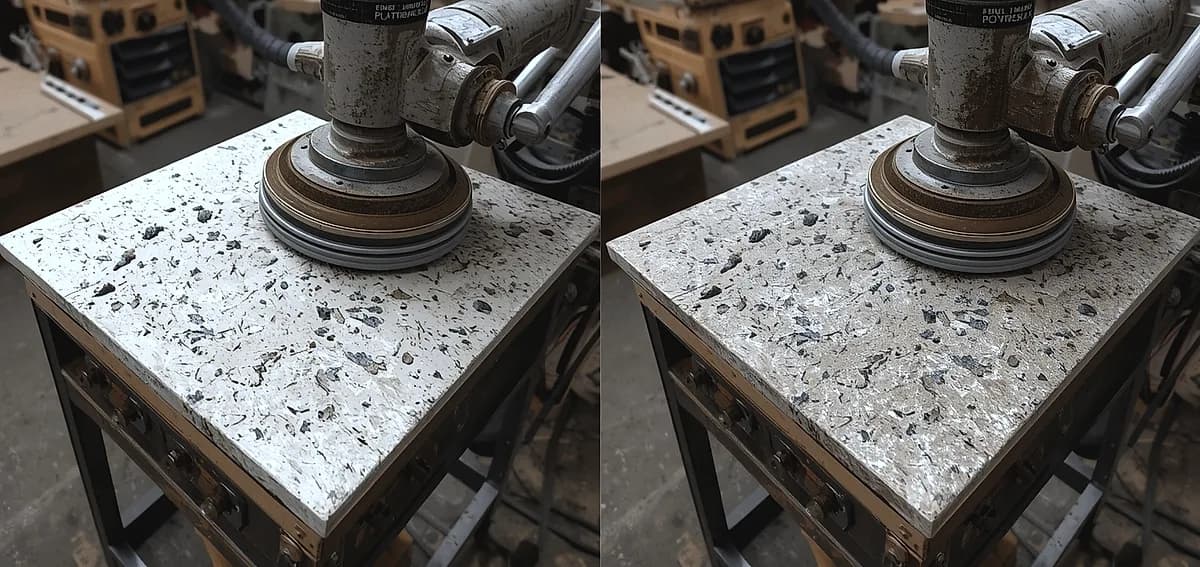
Quartz aggregates are widely considered the gold standard for slip-resistant polished concrete. Available in various colors and sizes, quartz combines exceptional hardness with a crystalline structure that naturally creates micro-texture during polishing. The material’s high silica content means it bonds well with cement paste while maintaining its structural integrity throughout the polishing process. Quartz aggregates typically retain measurable slip resistance even when polished to very high levels, making them ideal for commercial applications where both aesthetics and safety are priorities.
Granite aggregates offer similar benefits to quartz but with additional complexity due to their multi-mineral composition. Granite typically contains quartz, feldspar, and mica, each of which responds differently to polishing. This variation creates natural surface texture as the different minerals wear at slightly different rates. The result is a polished surface with inherent slip resistance that performs well in both dry and wet conditions. When properly exposed through techniques used in exposed aggregate polished concrete, granite aggregates are particularly popular in exterior applications where weather exposure is a concern.
Recycled glass aggregates have gained popularity not only for their environmental benefits but also for their excellent slip resistance characteristics. The tumbling process used in glass aggregate production creates surfaces with varied texture and micro-roughness that persist through polishing. Additionally, the thermal expansion properties of glass differ from those of cement paste, creating microscopic surface variations as the concrete experiences temperature changes. These characteristics combine to provide reliable slip resistance while offering unique aesthetic possibilities through color and light reflection.
Expanded shale and slate aggregates represent another category of materials that excel in slip-resistant applications. These materials have natural porosity and layered structures that create multiple friction surfaces even after polishing. The lightweight nature of expanded shale also makes it popular for applications where structural load is a concern, while still providing the slip resistance benefits needed for safe foot traffic.
Basalt and other volcanic aggregates offer exceptional slip resistance due to their naturally rough, vesicular surfaces. These materials form through rapid cooling of lava, creating surfaces with inherent texture that cannot be completely eliminated through polishing. While they may not achieve the same level of reflectivity as other aggregates, they provide superior slip resistance, making them ideal for areas where safety is the primary concern.
The Science Behind Aggregate Selection for Safety
The scientific principles governing why certain aggregates create better slip resistance when polished involve complex interactions between material properties, surface physics, and tribology – the study of friction, wear, and lubrication. Understanding these principles enables more precise aggregate selection and better prediction of long-term performance in various environments.
Surface roughness, measured in micrometers, is a quantifiable factor that directly correlates with slip resistance. Research has shown that optimal slip resistance occurs when surface roughness falls within specific ranges that provide adequate friction without creating discomfort or cleaning difficulties. Aggregates that naturally maintain surface roughness values in the 20-50 micrometer range after polishing typically provide the best balance of slip resistance and practicality.
The concept of “micro-mechanical interlocking” explains how surface texture at the microscopic level creates friction. When footwear or other surfaces come into contact with polished concrete, the microscopic peaks and valleys in the aggregate surfaces create mechanical resistance to sliding. Understanding how aggregate exposure levels affect surface characteristics is crucial for optimizing slip resistance. Aggregates with complex surface topographies, such as those with crystalline fracture patterns or natural porosity, provide more opportunities for this micro-mechanical interlocking.
Wetting behavior is another critical scientific consideration. Some aggregates are naturally hydrophobic or have surface properties that promote rapid water drainage, reducing the formation of water films that can cause slipping. The mineral composition and surface energy of different aggregates influence how water behaves on the surface, with some materials naturally shedding water more effectively than others.
The elastic modulus and hardness relationships between aggregates and the cement matrix also affect slip resistance. When there are significant differences in these properties, the polishing process creates natural surface variation as the materials wear at different rates. This differential wear can be beneficial for slip resistance, as it creates a surface with varied texture rather than uniform smoothness.
Chemical composition affects not only the polishing behavior but also the long-term stability of surface texture. Aggregates with high silica content tend to be more chemically stable and resistant to weathering, maintaining their slip-resistant properties over time. In contrast, aggregates that are susceptible to chemical attack or weathering may lose their surface texture, becoming more slippery with age.
Installation and Design Considerations
Proper installation techniques and design considerations are crucial for maximizing the slip resistance benefits of well-chosen aggregates. Even the best aggregate selection can fail to provide adequate safety if installation practices don’t support the development and preservation of slip-resistant surfaces.
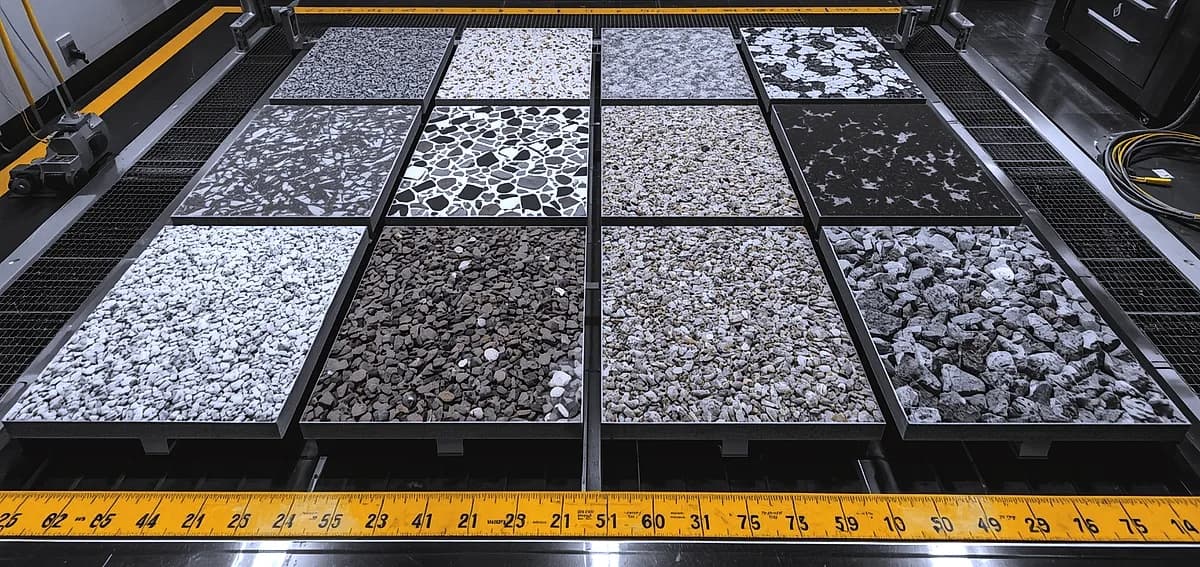
Mix design plays a fundamental role in aggregate exposure and slip resistance. The cement-to-aggregate ratio, water-cement ratio, and admixture selection all influence how much aggregate is exposed during polishing and how the surface texture develops. Higher aggregate-to-cement ratios typically result in more aggregate exposure and better slip resistance, but must be balanced against other performance requirements such as strength and durability.
The timing and extent of polishing operations significantly impact final slip resistance. Over-polishing can eliminate the beneficial surface texture of even the best aggregates, while under-polishing may not provide the desired aesthetic appearance. Achieving different polished concrete sheen levels requires understanding how polishing depth affects both appearance and safety. Professional contractors like National Concrete Polishing understand the critical balance required to achieve both beauty and safety, using their expertise to determine optimal polishing levels for specific aggregate types and applications.
Surface preparation and grinding techniques affect how aggregates are exposed and how their surfaces develop during polishing. Proper concrete placement and finishing create the foundation for successful aggregate exposure, while appropriate grinding sequences ensure that aggregates are revealed gradually and uniformly. The use of appropriate diamond tooling and polishing sequences is essential for developing the micro-texture that provides slip resistance.
Environmental factors during installation and curing can also influence final slip resistance. Temperature, humidity, and curing conditions affect how the concrete matrix develops and how aggregates bond with the surrounding paste. Proper curing ensures that the concrete reaches its full strength potential and that the aggregate-paste interface develops optimally for both durability and slip resistance. Application of concrete densifiers at the appropriate stage can further enhance surface hardness and slip resistance.
Quality control measures during installation include regular testing of slip resistance as polishing progresses. This allows contractors to make real-time adjustments to polishing procedures to ensure that safety requirements are met while achieving the desired appearance. Documentation of slip resistance testing provides valuable assurance that the completed installation meets all applicable safety standards.
Frequently Asked Questions
What makes some aggregates naturally more slip-resistant than others when polished?
The slip resistance of polished aggregates depends primarily on their hardness, crystalline structure, and surface texture. Harder aggregates like quartz resist the polishing process more effectively, maintaining microscopic surface irregularities that provide friction. Materials with complex crystalline structures create natural fracture patterns during polishing that enhance grip, while aggregates with inherent porosity or texture retain these slip-resistant features even after extensive polishing.
Can slip resistance be measured and verified in polished concrete floors?
Yes, slip resistance can be accurately measured using standardized testing methods such as ASTM C1028 (Static Coefficient of Friction) or pendulum testing per ASTM E303. These tests provide quantifiable data about surface friction under both dry and wet conditions, allowing verification that the floor meets safety requirements and building codes.
How does aggregate size affect slip resistance in polished concrete?
Larger aggregates generally provide better slip resistance because they create more surface variation and texture when exposed during polishing. However, the size must be appropriate for the intended use – very large aggregates may create an uncomfortable walking surface. The optimal aggregate size typically ranges from 3/8 inch to 3/4 inch for most commercial applications.
Will polished concrete with slip-resistant aggregates still look aesthetically pleasing?
Absolutely. Modern polishing techniques can achieve beautiful, reflective surfaces while maintaining slip resistance when appropriate aggregates are selected. Materials like quartz, granite, and recycled glass provide excellent slip resistance while offering attractive colors and visual appeal. The key is working with experienced contractors who understand how to balance safety and aesthetics.
How long does the slip resistance last in polished concrete floors?
When properly installed with appropriate aggregates, slip resistance in polished concrete can last for decades. The durability depends on factors such as traffic levels, maintenance practices, and the specific aggregates used. Harder aggregates like quartz and granite maintain their slip-resistant properties longer than softer materials.
Are there specific building code requirements for slip resistance in polished concrete?
Building codes vary by location, but many jurisdictions require minimum coefficient of friction values for commercial floors, especially in areas where moisture may be present. The Americans with Disabilities Act (ADA) recommends a static coefficient of friction of at least 0.6 for level surfaces and 0.8 for ramps, though local codes may have different requirements.
Can existing polished concrete be modified to improve slip resistance?
Yes, several options exist for improving slip resistance in existing polished concrete. These include applying topical treatments, adding slip-resistant additives to sealers, or in some cases, re-polishing with different techniques to expose more aggregate texture. The best approach depends on the current condition and aggregate type.
What maintenance practices help preserve slip resistance in polished concrete?
Regular cleaning with appropriate pH-neutral cleaners helps maintain slip resistance by preventing buildup of films or residues that could make surfaces slippery. Learning how to properly clean polished concrete is essential for preserving both appearance and safety. Avoiding harsh chemicals or abrasive cleaning methods preserves the beneficial micro-texture of aggregates. Periodic professional maintenance and resealing, when appropriate, can help maintain both appearance and slip resistance over time.
Conclusion
Understanding why certain aggregates create better slip resistance when polished is essential for anyone involved in specifying, installing, or maintaining polished concrete floors. The science behind aggregate selection reveals that materials with specific characteristics – including appropriate hardness, complex crystalline structures, natural texture, and chemical stability – provide the best combination of safety and aesthetics in polished concrete applications.
The relationship between aggregate properties and slip resistance is complex but predictable when proper principles are applied. Harder aggregates like quartz and granite naturally retain more surface texture during polishing, while materials with inherent porosity or varied mineral composition create the micro-roughness essential for safe foot traffic. Recycled glass and natural stone aggregates offer unique benefits that combine environmental responsibility with excellent slip resistance performance.
Professional installation by experienced contractors like National Concrete Polishing ensures that the slip resistance benefits of well-chosen aggregates are fully realized. Proper mix design, polishing techniques, and quality control measures are essential for achieving surfaces that meet both safety requirements and aesthetic goals. For high-traffic commercial environments like retail polished concrete installations, the investment in appropriate aggregate selection and professional installation pays dividends in reduced liability risk and long-term performance.
As polished concrete continues to grow in popularity across commercial, industrial, and residential applications, the importance of slip resistance cannot be overstated. By understanding the science behind aggregate selection and working with knowledgeable professionals, property owners can enjoy the many benefits of polished concrete while maintaining the highest standards of safety for building occupants and visitors.
Written by

Founder and CEO
Chris Lavin is an esteemed leader in concrete polishing and epoxy coatings with a distinguished 20-year career. As founder and CEO of National Concrete Polishing and owner of Xtreme Polishing Systems, he's renowned for polishing and epoxy coating more floors than anyone globally. Chris is recognized for his innovative approach and commitment to enhancing floor durability and aesthetics. His hands-on experience and technical proficiency make him a respected authority and a valuable resource in the field of floor polishing and coatings.
Same topic
Related articles
All stories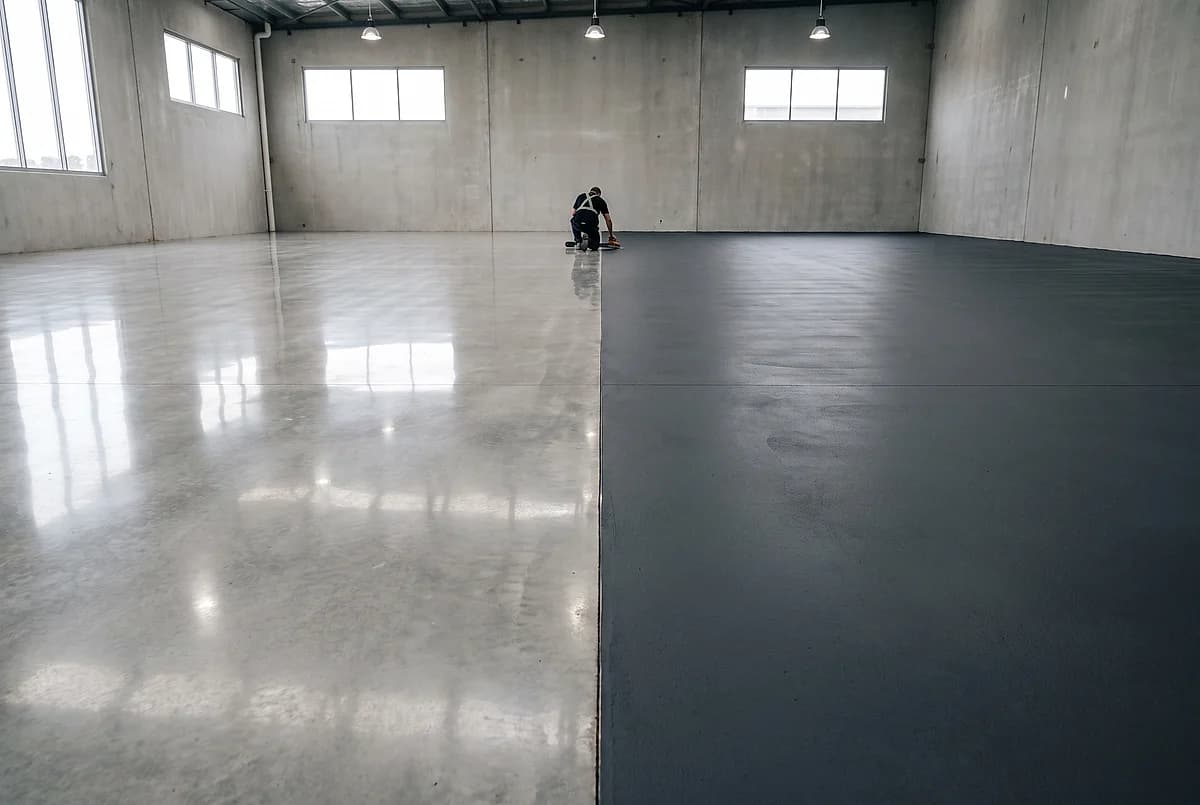
Polished concrete11 min read
Polished Concrete vs Epoxy Coatings: Which Floor Is Right for Your Space?
Two systems, two price curves, one slab. What each one costs to install and to keep, and which spaces each one actually suits.
Read it
Polished concrete8 min read
What to Know Before Polishing Your Existing Concrete Slab
Before any mechanical refinement can begin, a thorough evaluation of the current foundation is required.
Read it
Polished concrete8 min read
Is Polished Concrete Worth the Investment for Miami Properties?
It is essential to distinguish between a simple topical seal and mechanically refined concrete.
Read it
Tell us about the floor
Tell us the space and roughly how big it is.We come back with what it would cost and when we could start.
Prefer to talk? Call +1 844-876-5474
- Leads@
nationalconcretepolishing.net - 2200 NW 32nd St #600,
Pompano Beach, FL 33069 Mon to Fri, 9:00 to 5:30